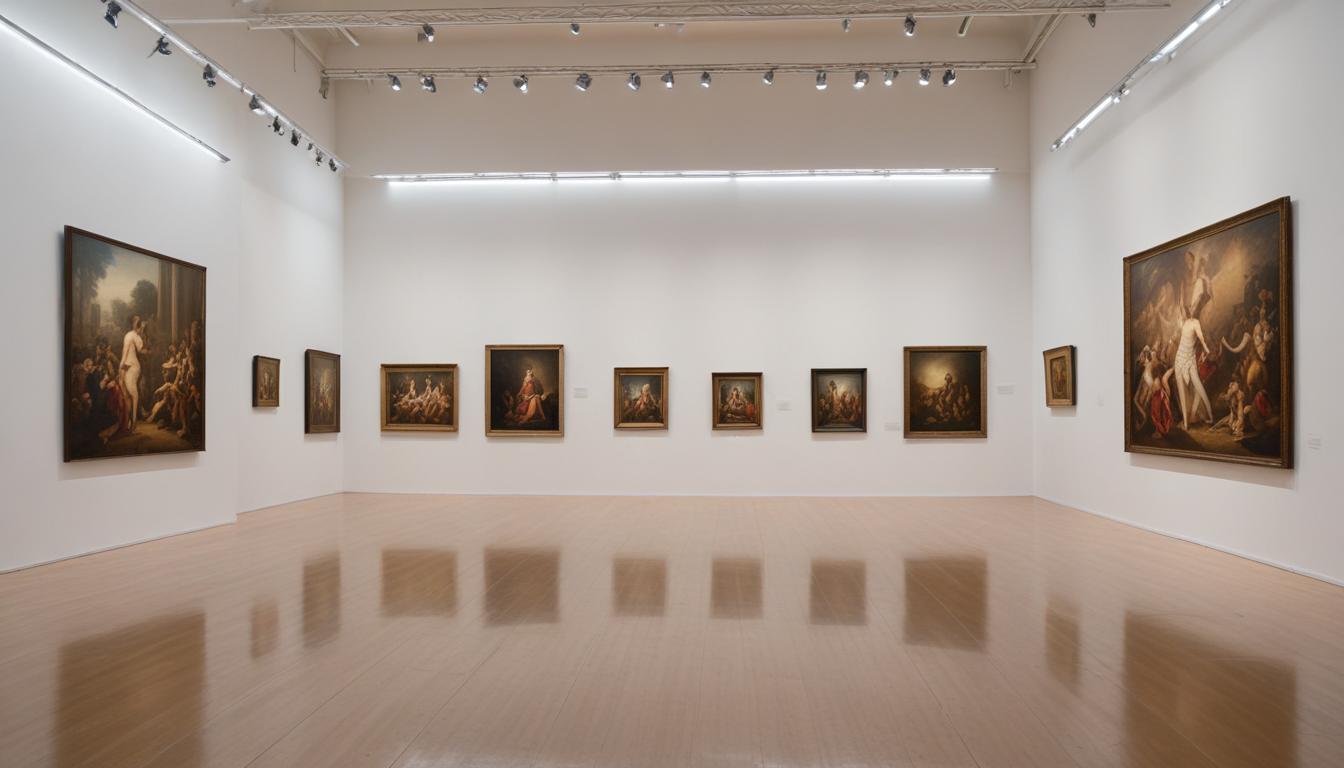
Walk down Rua Aspicuelta in Vila Madalena on any weekend and you'll understand why São Paulo's art world has become impossible to ignore. What was once a sleepy corridor of warehouses has transformed into a gallery district rivaling established art hubs, with openings attracting collectors from Miami to Dubai. This shift isn't accidental—it's the result of converging forces that have made the city a magnet for artists and institutions alike.
The numbers tell a compelling story. Commercial gallery space in traditional neighborhoods has become prohibitively expensive, pushing established galleries like Nara Roesler and Galeria Fortes Vilaça to expand their footprints across multiple locations. Meanwhile, younger spaces—many operating on modest margins—have found breathing room in converted industrial areas. Rental costs in Vila Madalena and adjacent Pinheiros remain roughly 40 percent lower than comparable square footage in Rio's Ipanema, making it an attractive alternative for emerging galleries and artist collectives experimenting with hybrid exhibition models.
But affordability alone doesn't explain the buzz. São Paulo's cultural moment coincides with international market shifts. After years of concentration in Rio and coastal hubs, major art fairs and collectors have begun paying serious attention to São Paulo's production ecosystem. The Bienal de São Paulo, while facing its own institutional challenges, continues to position Brazilian contemporary work on a global stage. Simultaneously, a wave of artists in their 30s and 40s—many trained locally, many having studied or worked internationally—are returning with fresh perspectives and institutional connections.
The Pinacoteca do Estado's recent expansion and programming choices have also elevated the conversation. Their curatorial focus on dialogues between established and emerging Brazilian artists has created a cascade effect, validating gallery programming across the city and encouraging more adventurous collecting among São Paulo's professional class.
What locals find most compelling is the genuine experimental spirit. Unlike more established markets where institutional validation precedes market recognition, São Paulo's current moment feels more organic—artists exhibiting in gallery basements, pop-up projects in Jardins, collaborative studio-galleries in Tatuapé. This grassroots energy attracts the kind of international attention that feeds itself: more collectors visit, more emerging galleries open, more established institutions take notice.
By late 2026, the question isn't whether São Paulo has a vibrant gallery scene—it clearly does. The real conversation is whether this moment can sustain itself without pricing out the very cultural producers who created it in the first place.
This article was compiled by AI from the sources linked above and screened before publishing. See our editorial standards.