Reclaiming the Narrative: How São Paulo's Youth Are Rewriting Their City's Heritage
A grassroots movement across the Zona Leste is transforming overlooked neighborhoods into cultural anchors, challenging who gets to tell São Paulo's story.
A grassroots movement across the Zona Leste is transforming overlooked neighborhoods into cultural anchors, challenging who gets to tell São Paulo's story.
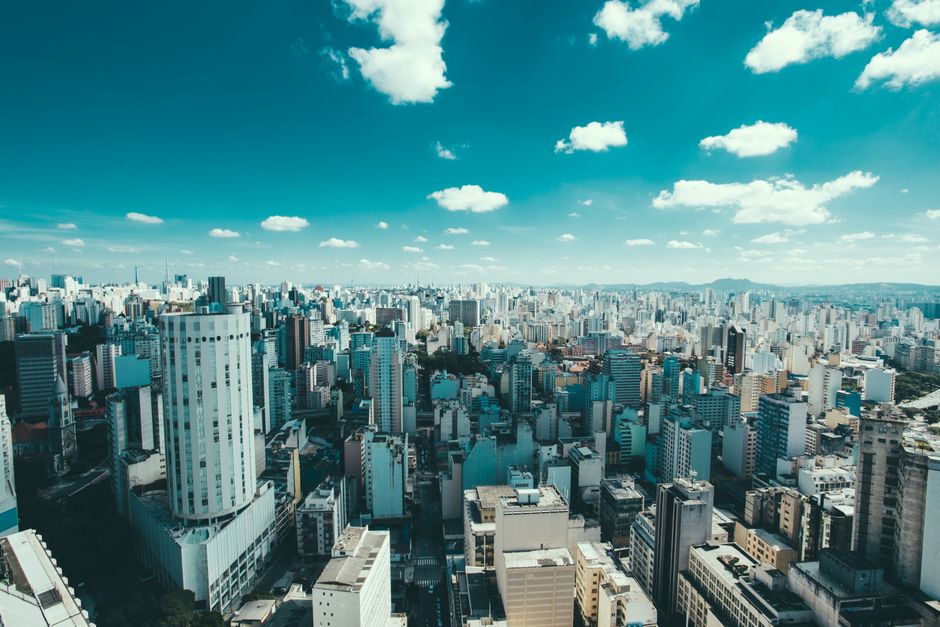
Walk along Rua do Ouvidor in Centro and you'll see the gilded facades of colonial commerce. But venture into Tatuapé, Itaquera, or Sapopemba—the neighborhoods where nearly 40 percent of São Paulo's population actually lives—and a different reclamation is underway. Young curators, historians, and community organizers are systematically documenting, celebrating, and reshaping how their districts narrate their own pasts, rejecting a cultural hierarchy that has long privileged the city's wealthy south side.
This movement crystallized around 2024, when a coalition of nonprofit organizations and independent collectives began mapping oral histories across the Zona Leste. Groups like Instituto Morada and Ação Educativa partnered with neighborhood associations to conduct over 800 interviews with long-time residents, documenting migration patterns, labor struggles, and community resilience that official city archives had systematized but rarely spotlighted. The resulting digital archive, publicly accessible since early 2025, has fundamentally shifted local consciousness.
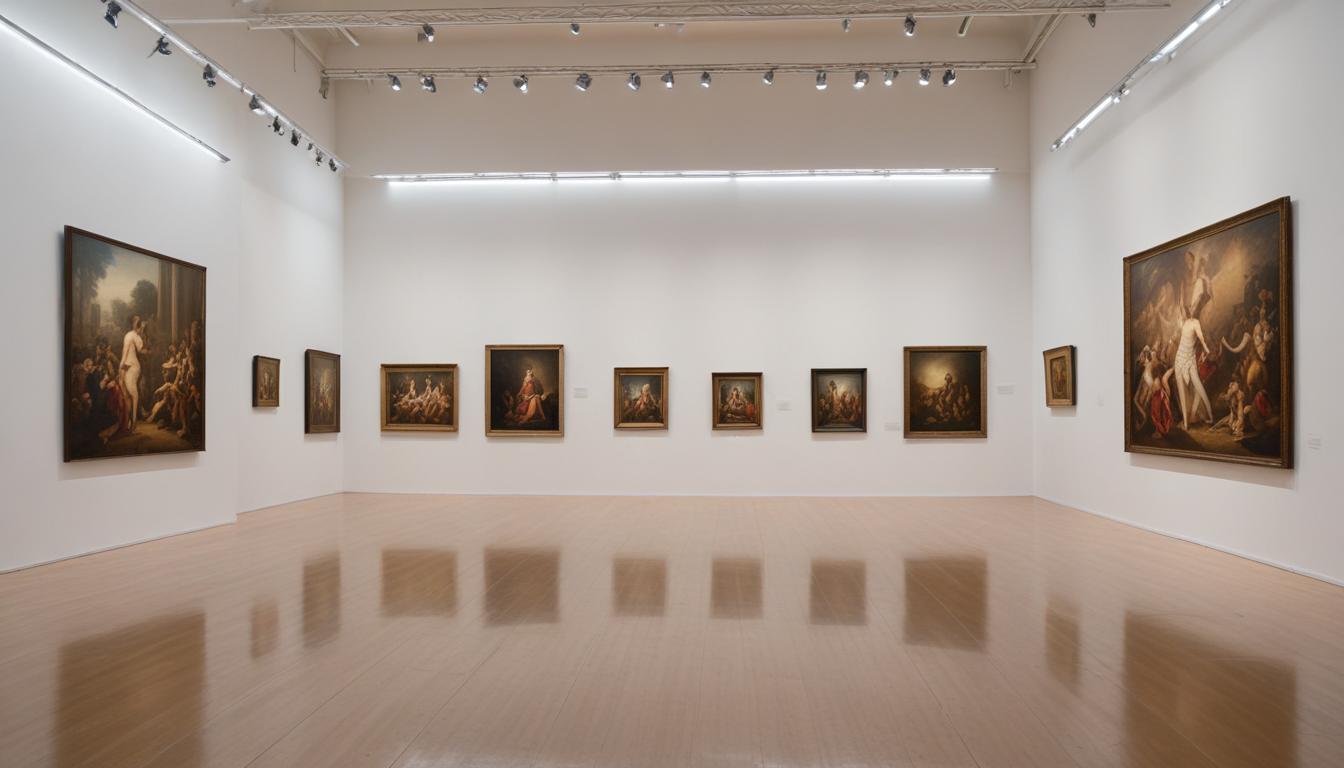
"Heritage isn't just about old buildings," explains the work of these collectives, which have activated spaces like the cultural centers in Vila Prudente and the community halls along Avenida Radial Leste. Pop-up exhibitions in church basements, school gymnasiums, and street corners have made heritage accessible—many free or under R$15 admission—reaching audiences the Pinacoteca and SESC Pompéia traditionally miss.
What distinguishes this moment is its explicit focus on working-class and Afro-Brazilian narratives. A 2025 survey by USP's School of Communications found that 73 percent of Zona Leste residents felt their neighborhood's history was underrepresented in mainstream cultural institutions. The movement responds by centering stories of factory workers, domestic laborers, and quilombo descendants whose contributions shaped modern São Paulo but rarely appeared in curated exhibitions downtown.
Venues like Espaço Colaborativo Brás and independent bookstores stocking regional histories report tripled foot traffic since 2024. Young educators have begun integrating these narratives into school curricula across municipal schools, particularly in districts like Guaianases and Itaim Paulista.
The implications ripple outward. As these communities assert authority over their own historical interpretation, they simultaneously reshape São Paulo's cultural identity—one that reflects its actual demographic reality rather than an idealized past. It's a quiet but determined recalibration, driven not by institutions but by the neighborhoods themselves.
This article was compiled by AI from the sources linked above and screened before publishing. See our editorial standards.
How does this story make you feel?
Spread the word
About this article
Published by The Daily São Paulo
Daily brief
Free, in your inbox before 7am. Weekdays.
More in culture