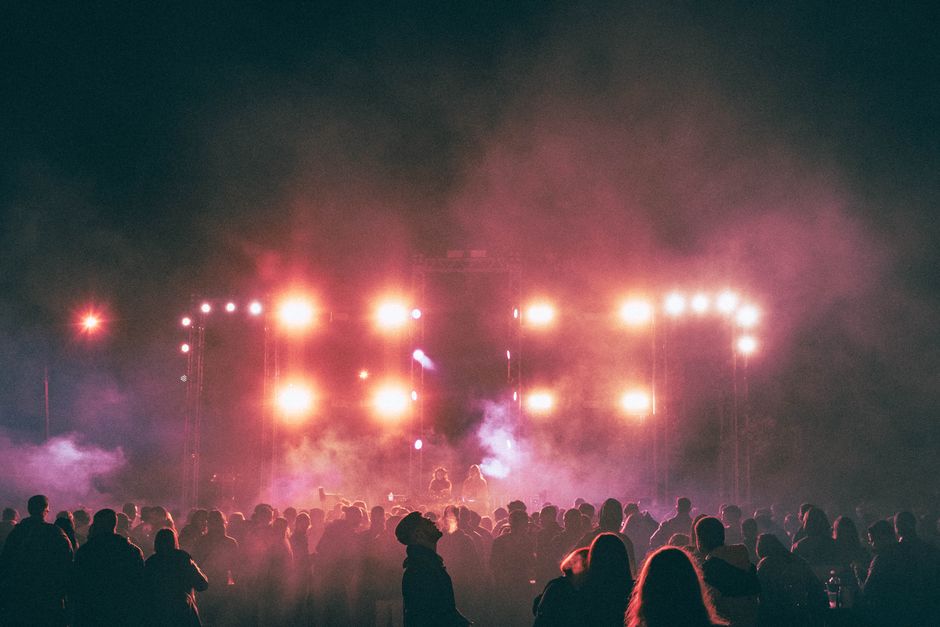
Walk down Rua Augusta on a Friday night and you'll feel it immediately: São Paulo doesn't just host concerts, it breathes them. The city's music venues have evolved from mere performance spaces into cultural institutions that define not just entertainment, but the very identity of Brazil's most complex metropolis.
The numbers tell a compelling story. São Paulo hosts over 1,200 live music events monthly across venues ranging from 100-capacity basement bars to the Estádio do Morumbi's 72,000 seats. But it's the mid-tier venues—the 500 to 3,000-capacity clubs—that have become the city's creative spine. Sesc Pompéia in Pompéia, with its architectural grandeur and programming that spans jazz to experimental electronic, attracts over 40,000 music fans annually. Nearby, the Teatro Bradesco in Bom Retiro has become synonymous with emerging Brazilian talent, hosting everything from regional forró acts to São Paulo's booming trap and hip-hop scene.
What distinguishes São Paulo's venue culture is its refusal to be monolithic. In Vila Madalena, intimate clubs like Boteco do Brasil maintain the bohemian spirit that defined the neighbourhood's artistic awakening decades ago, while nearby venues have adapted to host everything from bossa nova revival to K-pop tribute nights. The diversity isn't accidental—it mirrors the city's 21 million metropolitan inhabitants, many of whom have migrated from Brazil's Northeast, South, and beyond.
The economics of this cultural ecosystem matter. A mid-range concert ticket in São Paulo averages R$80-150 (roughly $16-30 USD), making live music accessible to working and middle-class audiences who might otherwise be priced out. Local sound engineers and production crews have built thriving businesses servicing these venues, creating employment that extends far beyond performers.
Perhaps most crucially, these venues have become incubators for Brazilian musical innovation. Hip-hop and trap artists refined their craft in clubs before dominating streaming platforms. MPB singers found audiences in smaller houses before selling out larger venues. The circuit itself—moving from Sesc programming to independent clubs to festival lineups—has become the traditional pathway for developing artists.
As global entertainment corporations consolidate live music elsewhere, São Paulo's fragmented, neighbourhood-based venue culture remains stubbornly independent. This fragmentation is its strength. It ensures that musical identity remains rooted in the city's actual communities rather than corporate marketing strategies. In São Paulo, how we listen to music together is inseparable from who we are.
This article was compiled by AI from the sources linked above and screened before publishing. See our editorial standards.