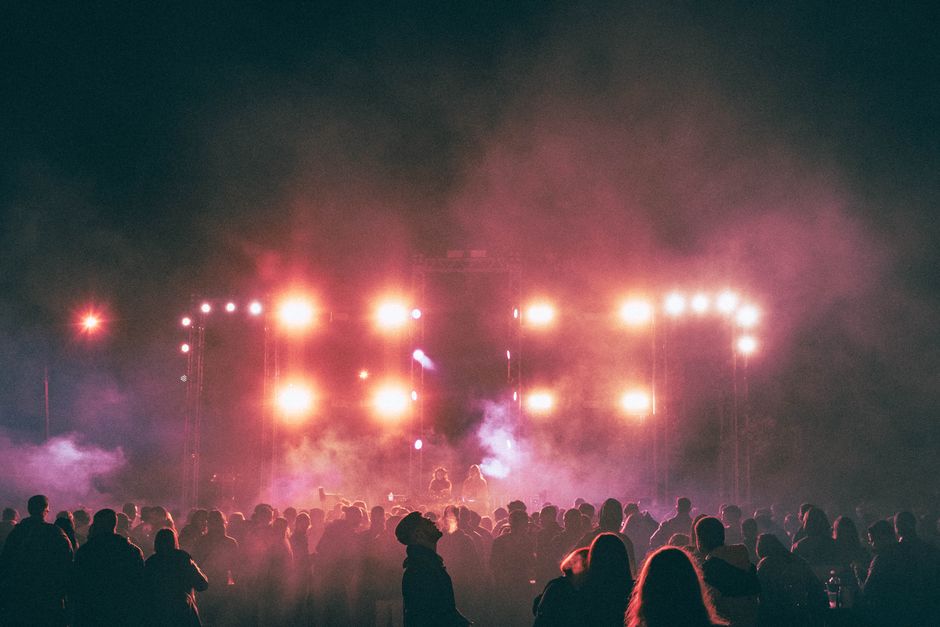
Walk through the streets of Vila Madalena on a Friday night and you'll notice something has shifted. The traditional bar circuit still thrives, but increasingly, the energy has dispersed—spilling into converted warehouses in Brasilândia, intimate courtyards in Tatuapé, and community centers across the zona leste that have become unlikely temples of live sound.
This decentralization reflects a profound movement reshaping São Paulo's music landscape. Over the past three years, grassroots collectives have launched approximately 40 new independent venues, many operating on cooperative models where artists, promoters, and audiences share decision-making power. Unlike the consolidated nightclub economy that once dominated Rua Augusta and Rua Consolação—where cover charges routinely exceed R$80—these spaces prioritize accessibility. Average entry fees hover between R$20 and R$40, with many events operating on sliding-scale or pay-what-you-can systems.
The movement gained momentum through organized networks. Groups like Coletivo Zona Leste and Rede de Casarões—informal associations of venue operators and musicians—now coordinate monthly showcases featuring local talent across multiple neighborhoods simultaneously. This strategy has proven transformative: attendance at live music events in peripheral areas jumped 67 percent between 2023 and 2025, according to data from the Instituto Tomie Ohtake's cultural research division.
What distinguishes this shift isn't merely economics. These venues function as community anchors. Espaço Sarau in Itaquera hosts not only concerts but also workshops in music production and sound engineering. Casa Afrobeat in Sapopemba has become a platform for Afrodiasporic artists historically marginalized by mainstream circuits. The Laboratório de Som in Pinheiros operates as both venue and recording studio, removing barriers between artists and production infrastructure.
The movement reflects deeper demographic realities. São Paulo's music audience increasingly lives outside the wealthy south zone. Younger audiences—particularly those from lower-income neighborhoods—demanded venues within reach, both geographically and financially. Social media has amplified this shift; WhatsApp groups and Instagram collectives now drive attendance with organic, peer-to-peer promotion that major promoters cannot replicate.
Yet challenges persist. Many collectives operate in legal grey zones, lacking formal licensing. Rising rents threaten established spaces. Nonetheless, the groundswell remains undeniable: a movement powered not by corporations but by musicians, community organizers, and audiences insisting that live music belong to everyone. In São Paulo's periphery, that demand is becoming reality.
This article was compiled by AI from the sources linked above and screened before publishing. See our editorial standards.