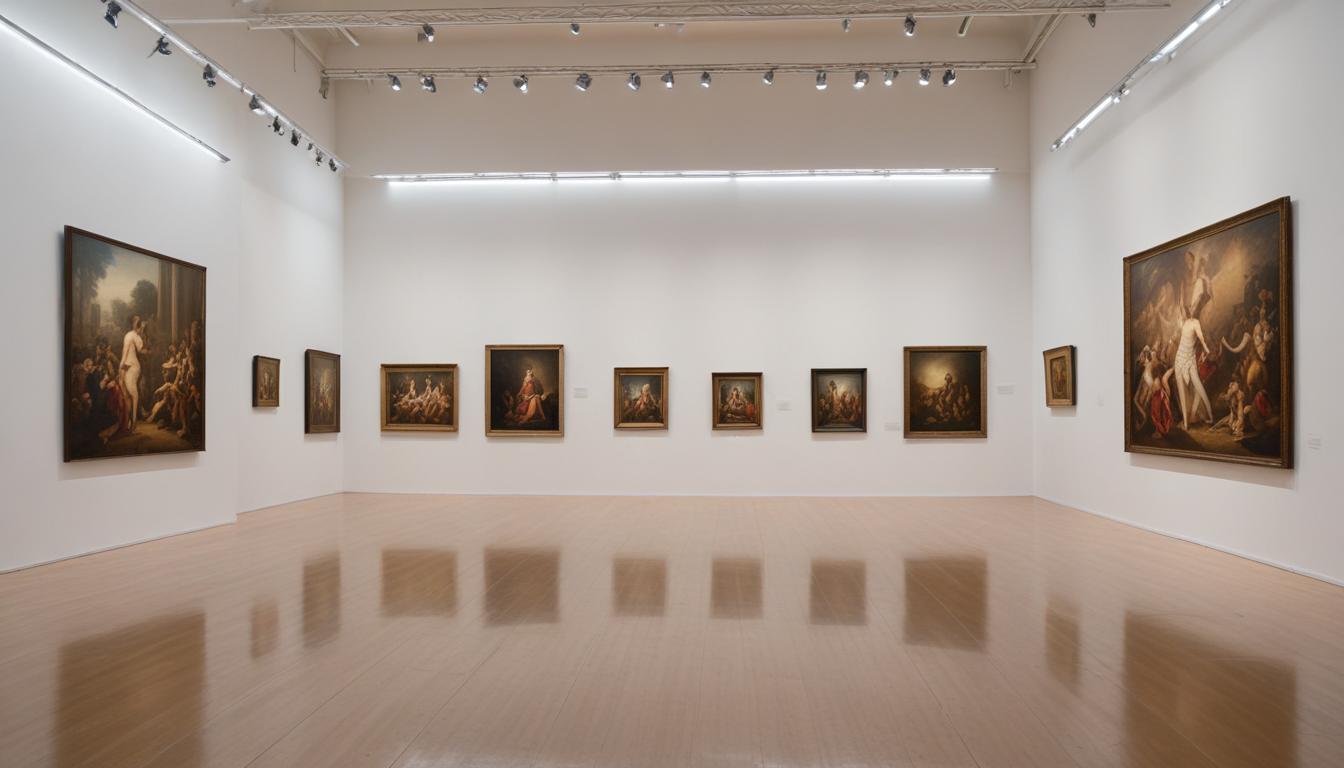
Walk through the Bom Retiro district today and you'll find cutting-edge galleries housed in century-old textile factories, their brick facades now splashed with elaborate murals. This transformation—from industrial backbone to creative epicentre—tells the story of São Paulo itself, a metropolis that has fundamentally reinvented its cultural identity over the past four decades.
The 1980s marked a pivotal moment. As manufacturing began its inevitable shift away from the city's outskirts, neighbourhoods like Vila Madalena and Pinheiros faced economic uncertainty. What emerged instead was something unexpected: grassroots cultural movements. Street art flourished on blank warehouse walls. Independent music venues opened in converted storefronts. By the 1990s, Vila Madalena's Rua Aspicuelta had become legendary, lined with bars, bookshops, and studios that cost a fraction of what they do today.
The institutional infrastructure followed. SESC Pomléia, the sprawling cultural complex in the Pomléia neighbourhood, began hosting thousands of visitors annually by the 2000s, offering theatre, cinema, and workshops at subsidised prices—a model that reflected São Paulo's commitment to democratising culture. Meanwhile, the Pinacoteca do Estado expanded its footprint, and neighbourhood-level initiatives like the Projeto Casarão in Bom Retiro began documenting immigrant histories that had been central to the city's identity for over a century.
Today's São Paulo is a study in layers. The city's creative economy generates an estimated R$145 billion annually, according to recent cultural sector analysis. Rents in formerly industrial zones have climbed steeply—a studio space in Vila Madalena that once rented for R$800 monthly now easily commands R$2,500—yet the cultural momentum persists. Neighbourhoods like Jaçanã and São Mateus, historically overlooked, are experiencing their own artistic awakening, with community-led cultural centres and independent galleries establishing roots.
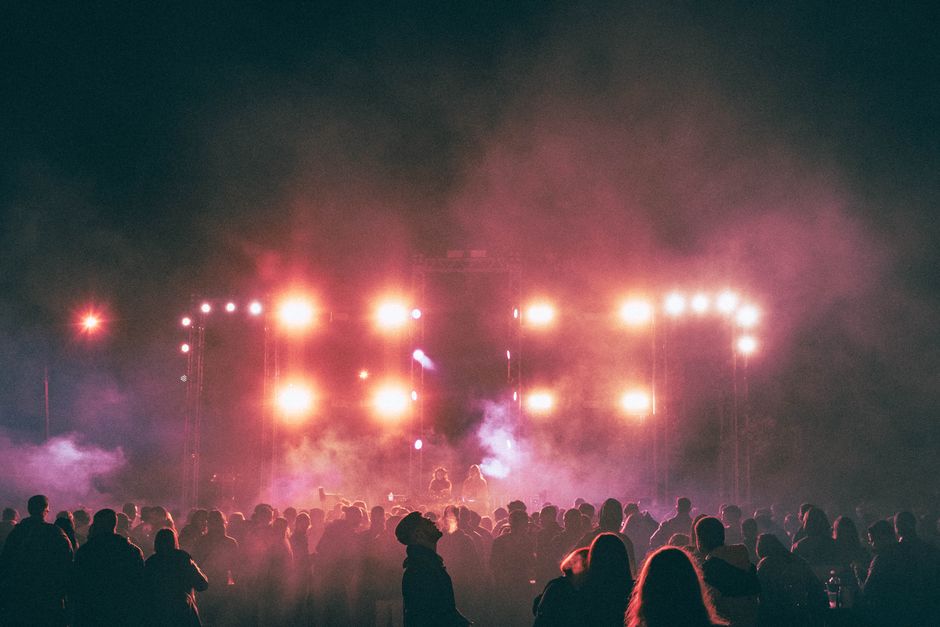
The story isn't one of linear progress. Gentrification has displaced artists and long-time residents from beloved areas. Yet São Paulo's cultural resilience—its capacity to transform constraint into creativity—remains evident. The city hosts over 2,000 cultural events monthly across its 96 neighbourhoods, a statistic that would have seemed impossible during the recession-hit 1990s.
What distinguishes São Paulo's evolution is that its cultural identity remains rooted in plurality. It's a city where industrial heritage coexists with contemporary practice, where immigrant traditions inform street art, where the working-class neighbourhoods of the periphery increasingly claim space in the cultural conversation. That tension, that layering of histories, is precisely what makes São Paulo's cultural scene so compelling.
This article was compiled by AI from the sources linked above and screened before publishing. See our editorial standards.