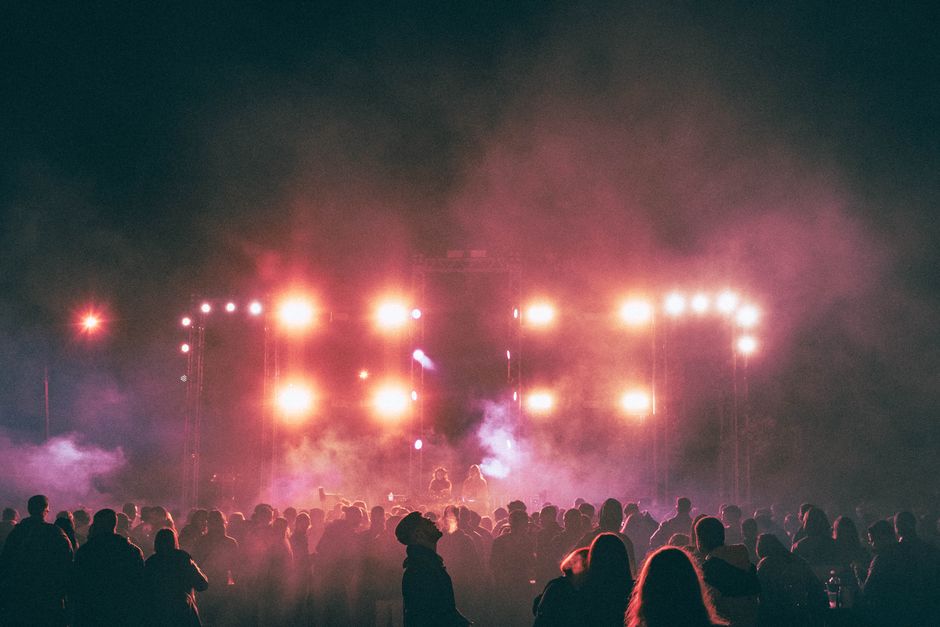
Walk through Vila Madalena on a Friday evening and you'll hear it before you see it—the unmistakable pulse of São Paulo's live music heartbeat. From the cavernous Estádio do Morumbi hosting international acts to the basement clubs of Rua Augusta where tomorrow's Brazilian stars are cutting their teeth, the city's relationship with live entertainment has become inseparable from how it sees itself globally.
The numbers tell part of the story. Concert attendance in São Paulo reached 8.2 million in 2025, according to the Brazilian Music Association, with venues reporting a 23 percent year-on-year increase in ticket sales. But statistics alone don't capture why music venues have become the true cultural anchors of neighbourhoods that were, until recently, defined primarily by commerce and traffic.
Consider the transformation of Bom Retiro. Once dismissed as a textile-industry zone, the neighbourhood has emerged as a live entertainment corridor. Venues like Sesc Pompeia and smaller clubs hosting everything from experimental electronic to forró have attracted younger residents and given the area a creative momentum that real estate developers are only now recognizing. The same pattern repeats in Pinheiros, where converted warehouses now host 1,500-capacity shows that regularly sell out weeks in advance.
What's particularly distinctive is how these spaces function as incubators for São Paulo's creative identity itself. Unlike Rio's beach-culture dominance or Brasília's governmental formality, São Paulo's identity has always been about mixing—immigrant communities, musical styles, economic classes. The live music venue has become the physical manifestation of that ethos. A Tuesday night at Casa Natura Musical might feature a rapper from the suburbs sharing a bill with a classical pianist, followed by a DJ set that blends tropicália with UK garage.
Pricing remains relatively accessible, with club shows typically ranging from 40 to 80 reais, making live music genuinely participatory rather than elite consumption. This democratization matters. When a 19-year-old from São Miguel Paulista can afford to see emerging artists on the same circuit as established acts, the cultural conversation broadens beyond traditional gatekeepers.
The city's creative reputation now depends on this ecosystem in ways that would have seemed unlikely a decade ago. International artists increasingly use São Paulo shows as testing grounds for world tours. Local musicians have access to professional-grade venues that rival anything in New York or London. Most importantly, the city's young creative class—musicians, designers, filmmakers, artists—has organized itself around these venues as community nodes.
São Paulo has always been about reinvention. Its live music scene isn't just reflecting that identity anymore. It's actively defining it.
This article was compiled by AI from the sources linked above and screened before publishing. See our editorial standards.