Cost of Living in São Paulo 2026: Australian Expat Guide
São Paulo is South America's largest and most economically significant city. Here is what it actually costs to live in São Paulo as an Australian expat in 2026.
Accommodation
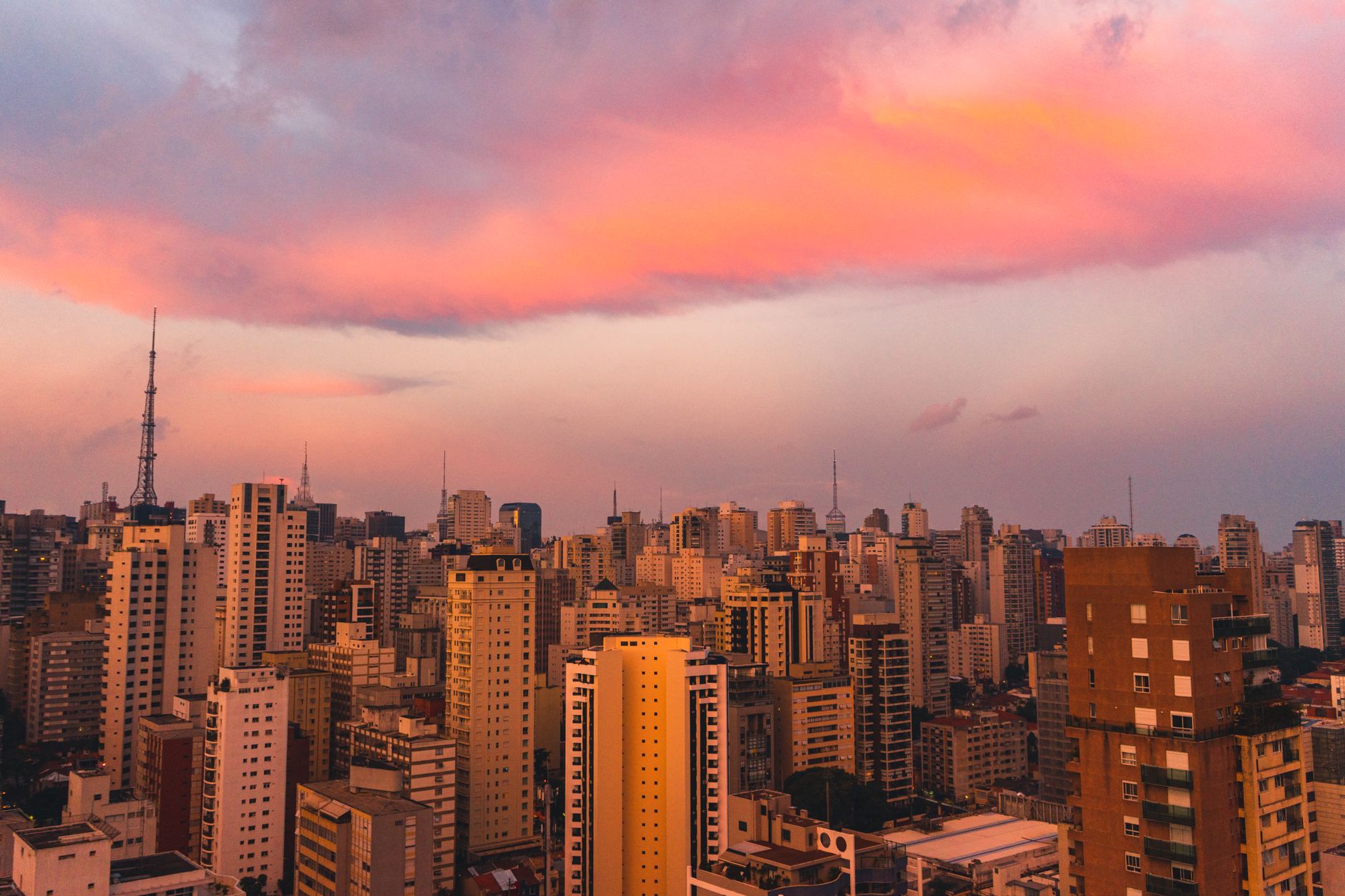
São Paulo's expat community concentrates primarily in the Zona Sul (southern zone) upscale neighbourhoods — Itaim Bibi (the primary financial district, home to most multinational headquarters and the most concentrated expat restaurant and bar scene), Jardins (the Jardim Paulista, Jardim América, Jardim Europa trio of Paulistano haute bourgeois residential neighbourhoods with the premium shopping of Rua Oscar Freire), Moema (a residential neighbourhood popular with families for its larger apartments and quieter streets), and Vila Nova Conceição (adjacent to Itaim, the most expensive apartment market in the city). A furnished 2-bedroom apartment in Itaim Bibi costs approximately BRL 8,000-16,000 per month (approximately AUD 2,100-4,200 at 2026 rates); in Jardins similar properties run BRL 10,000-20,000 per month. The security infrastructure of all premium apartment buildings in São Paulo is significant — concierge, access control, CCTV, and 24-hour porteiros (doormen) are standard in the condomínio buildings that dominate the Paulistano residential landscape.
Security — An Essential Expat Consideration
São Paulo has historically had high crime rates and significant wealth inequality; however, the premium neighbourhoods where expats live (Itaim, Jardins, Moema, Vila Nova Conceição) are genuinely safer than media coverage of Brazil suggests, with functioning security infrastructure. The primary practical precautions for Paulistano expat life are: never display expensive watches, phones, or jewellery in public; use Uber or 99 (the local ride-hailing alternative, often cheaper) rather than hailing street taxis; avoid using phones in stopped vehicles at intersections; and follow neighbourhood security WhatsApp groups that provide real-time crime alerts. Most senior expats receive security briefings from their employers; the reality is manageable with appropriate habits.
Food and São Paulo's Restaurant Scene
São Paulo has one of the world's most extraordinary restaurant scenes — not a tourist claim but a genuine reality supported by the fact that Brazil has the world's fourth-largest Japanese diaspora population (creating an outstanding Japanese restaurant scene across all price points), a huge Italian immigrant community (São Paulo has more people of Italian descent than any city outside Italy, creating a robust Italian food culture), and an increasingly world-ranked Brazilian fine dining scene (DOM restaurant's Alex Atala has been ranked among the world's best chefs). A prato feito (the working-person's lunch of rice, beans, meat, salad, and farofa at a neighborhood padaria/bakery restaurant) costs BRL 18-30 (approximately AUD 5-8); a mid-range restaurant dinner for two with wine BRL 250-450 (approximately AUD 66-118); a fine dining experience at DOM, A Casa do Porco, or Maní costs BRL 400-800 per person.
Transport
São Paulo has a growing Metro network (6 lines) and an extensive bus system (SPTrans) but the city's size means many journeys require a combination of Metro and bus or private transport. The Metro is clean, safe, and efficient on the lines that exist; the coverage gap in some expat areas (particularly Itaim, Jardins, and Moema) means Uber is heavily used. Most senior expats use company cars or have personal vehicles; São Paulo traffic (one of the world's worst, rivalling Lagos and Bangkok) must be factored into all planning.
Typical Monthly Budget for an Australian Expat in São Paulo
A single Australian professional in a furnished 2-bedroom apartment in Itaim Bibi should budget approximately AUD 5,000-8,000 per month: rent AUD 2,200-4,200, food AUD 700-1,000, transport (Uber-dominant) AUD 300-500, health insurance (Amil, SulAmérica, or international policy) AUD 200-400, utilities AUD 150-250, entertainment AUD 500-800, personal expenses AUD 300-500. São Paulo is moderately expensive by South American standards and delivers an urban lifestyle of genuine sophistication and cultural richness.
This article was compiled by AI and screened before publishing. See our editorial standards.