What São Paulo Diners and Shoppers Need to Know About Surging Food and Retail Costs
As inflation pressures intensify across supply chains, everyday consumers face higher prices at restaurants and shops—but smart navigation strategies exist.
As inflation pressures intensify across supply chains, everyday consumers face higher prices at restaurants and shops—but smart navigation strategies exist.
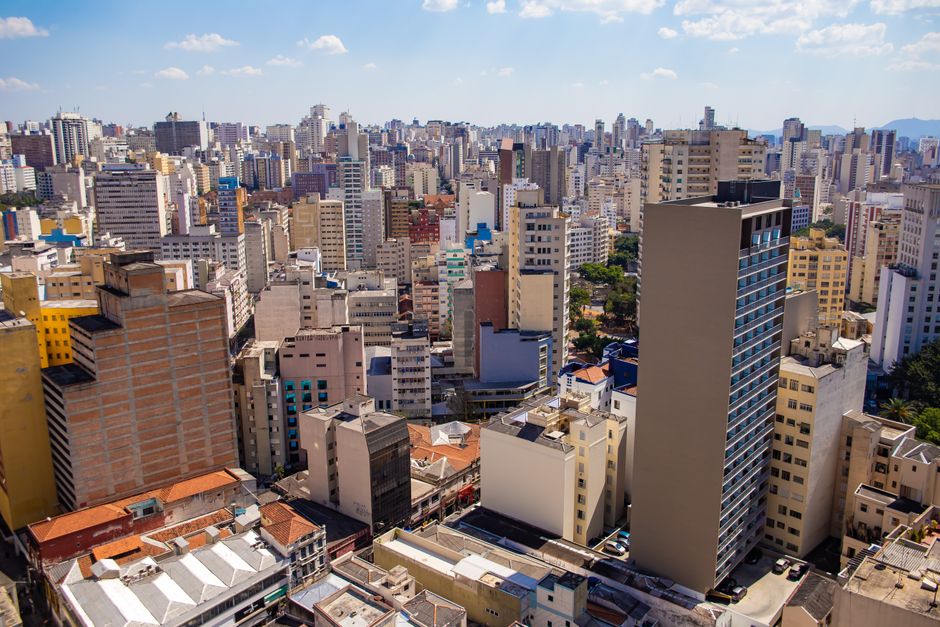
São Paulo's hospitality and retail sectors are experiencing a significant squeeze that's reshaping how the city eats and shops. From the packed corners of Rua 25 de Março to the upscale dining establishments dotting Vila Mariana, business owners are grappling with compressed margins, while residents are feeling the pinch at checkout counters and restaurant tables alike.
The fundamentals are straightforward: ingredient costs have climbed sharply due to supply chain disruptions, energy expenses, and currency volatility affecting imported goods. Restaurants across the city—from traditional churrascarias in the Zona Sul to casual eateries in Pinheiros—have quietly adjusted portion sizes or introduced service charges previously absent from bills. A typical business lunch in the central business district now hovers around R$65-85, a marked increase from the R$50-70 range seen just eighteen months ago.
Retail has experienced parallel pressures. Supermarket chains operating across the metropolitan area report that staple items—cooking oils, proteins, imported dairy—have seen double-digit price increases year-over-year. Small corner shops (botequins) in neighbourhoods like Vila Madalena and Tatuapé, which depend on thin margins and high volume, are particularly vulnerable. Many have begun consolidating inventory or reducing operating hours.
Yet the picture isn't uniformly bleak. Competition remains fierce, and savvy consumers can still find value. Neighbourhood fairs—the traditional feiras livres operating on designated days across districts like Consolação and Cambuci—continue offering fresher produce at lower prices than supermarkets. Additionally, several hospitality groups have responded by introducing prix-fixe lunch menus and early-bird specials, recognising that volume matters when per-transaction margins compress.
The real story for everyday residents involves adaptation and awareness. Understanding where inflation hits hardest—typically imported goods, premium proteins, and energy-intensive prepared foods—helps households make informed choices. Opting for local, seasonal ingredients, exploring neighbourhood restaurants over international chains, and taking advantage of happy-hour promotions can meaningfully offset rising costs.
For business owners, survival hinges on operational efficiency and customer retention. Those investing in digital ordering, reducing waste, and building loyal customer bases through quality consistency are weathering the storm better than competitors relying solely on volume.
The São Paulo consumer landscape remains vibrant and diverse, but navigating it now requires more intentionality than before. The city's economic resilience—rooted in its size, diversity, and entrepreneurial energy—suggests the sector will adapt. How residents and businesses manage that transition, however, will define the next phase of São Paulo's food and retail story.
This article was compiled by AI from the sources linked above and screened before publishing. See our editorial standards.
How does this story make you feel?
Spread the word
About this article
Published by The Daily São Paulo
Daily brief
Free, in your inbox before 7am. Weekdays.
More in Business