The past week's escalation in U.S.-Iran relations has triggered an unexpected windfall for São Paulo's export sector. As multinational corporations scramble to diversify sourcing away from regions exposed to Middle Eastern volatility, Brazilian technology companies and light manufacturers are fielding an unprecedented volume of inquiries from supply chain officers in New York, Singapore, and Frankfurt.
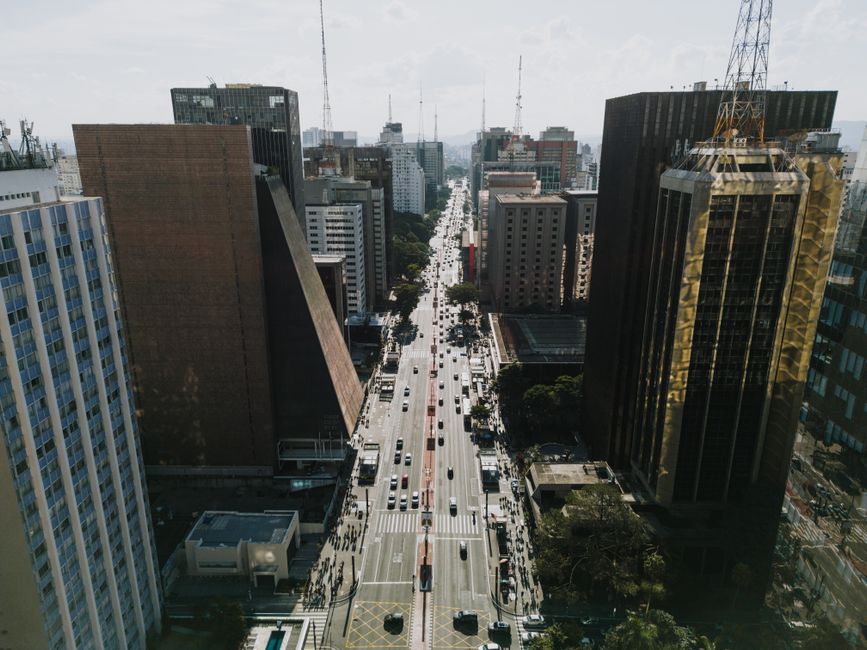
Companies based in Pinheiros—the neighbourhood that has become synonymous with São Paulo's startup ecosystem—report a 35 percent surge in B2B inquiries since June 23. Industry associations tracking the trend note that firms specializing in software-as-a-service, electronics components, and precision manufacturing are among the primary beneficiaries. "We're seeing Fortune 500 companies contact us directly, without the usual intermediaries," says one operations director at a firm near Avenida Paulista, requesting anonymity due to confidentiality agreements.
The uptick extends beyond tech. Textile manufacturers in the ABC region, traditionally serving North American retailers, are now receiving orders from European distributors who had previously relied on Middle Eastern suppliers. Freight forwarders operating out of the Santos port authority report container bookings for manufactured goods have increased 28 percent month-over-month, with destination shifts favouring North America and Western Europe rather than regional routes.
Vila Mariana's cluster of industrial equipment manufacturers—a sector that had struggled through 2024-2025—is experiencing particular momentum. One mid-sized precision parts supplier received three major contract proposals in a single week, collectively valued at approximately R$12 million over eighteen months. "The geopolitical situation is terrible for the world, but it has forced multinationals to actually look at our capabilities," the firm's commercial director noted in a recent trade publication interview.
Not all sectors benefit equally. Agricultural exporters remain largely unaffected, with commodity prices dictated by weather and global inventories rather than geopolitical shifts. Export credit conditions, however, have tightened marginally as Brazilian banks reassess emerging market exposure, creating friction for smaller firms attempting to finance larger contracts.
The window of opportunity may prove temporary. Historical precedent suggests that supply chain reconfiguration typically spans 12-24 months before stabilizing. Industry analysts caution that São Paulo firms must convert this moment into lasting relationships and operational capacity upgrades. Those who merely serve as temporary alternatives, rather than demonstrating long-term reliability and innovation, will likely lose contracts once geopolitical tensions ease.
Still, for now, the phones in Pinheiros and Vila Mariana are ringing louder than they have in years.
This article was compiled by AI from the sources linked above and screened before publishing. See our editorial standards.