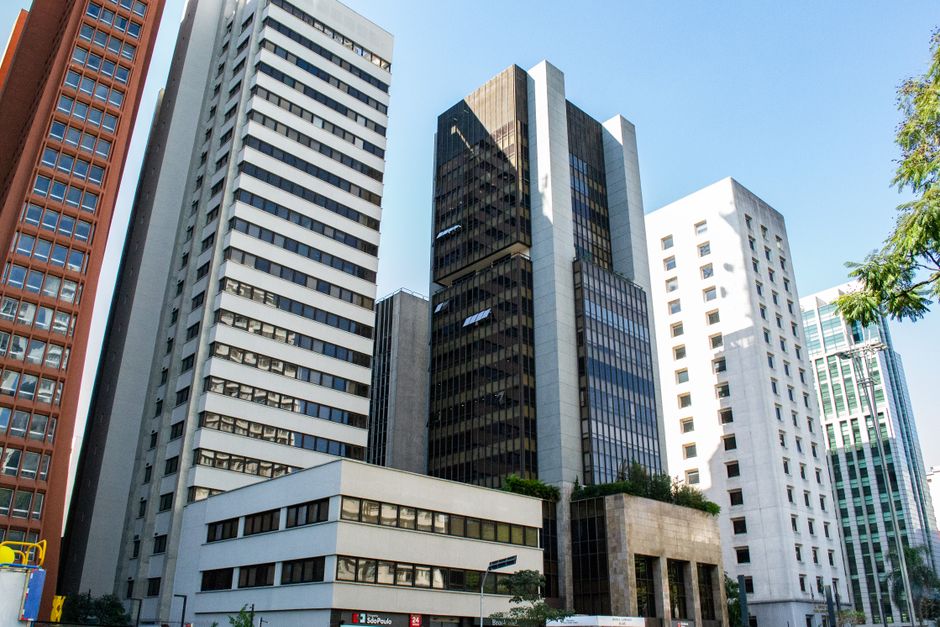
The conference room at a gleaming office tower on Avenida Paulista buzzes with activity these days. Where São Paulo's corporate landscape once revolved primarily around domestic Brazilian operations, multinational firms are now racing to establish or expand regional hubs—and they're discovering that finding the right talent is far harder than securing the real estate.
This shift reflects a broader reality: as international trade corridors deepen between Brazil, Asia, and North America, companies need professionals who understand global supply chains, cross-border regulations, and digital commerce at a sophistication level that's stretching the local labor market thin. A recent survey by the São Paulo Chamber of Commerce found that 67% of foreign-invested firms operating in the city report difficulty recruiting mid-to-senior level specialists in areas like logistics coordination, international compliance, and emerging-market strategy.
The competition is reshaping salaries and working conditions. Professional recruitment firms report that English-fluency alone no longer commands premium wages; companies now demand Mandarin, Spanish, or German alongside technical expertise. Consulting and business services roles in neighborhoods like Vila Mariana and Itaim Bibi are increasingly advertised at 40-50% higher salaries than five years ago, yet remain unfilled for months.
"We're seeing a talent deficit that forces us to either invest heavily in retraining programs or recruit internationally," explains the human resources director at a major logistics firm headquartered near Imigrantes Avenue. Companies are now sponsoring visa applications for skilled workers from Europe and Southeast Asia, a practice that was rare in São Paulo's corporate world just three years ago.
The educational sector is beginning to respond. Business schools around Consolação and Pinheiros are redesigning curricula to emphasize global trade frameworks and emerging-market expertise. However, universities struggle to keep pace with industry demand—a gap that's creating opportunity for private training firms and online education providers catering to working professionals.
This reshuffling carries social implications. While salaries rise for experienced professionals fluent in global commerce, entry-level workers without international exposure find fewer opportunities, potentially widening inequality within São Paulo's workforce. Meanwhile, companies report that remote work policies—necessitated by talent shortages—are gradually decentralizing some operations away from traditional office clusters, with secondary hubs emerging in neighborhoods like Mooca and Vila Prudente.
As Brazil's role in global supply chains deepens, São Paulo faces a critical question: will its talent pipeline adapt quickly enough to meet international demand, or will skills shortages constrain the city's growth as a truly global business capital?
This article was compiled by AI from the sources linked above and screened before publishing. See our editorial standards.