São Paulo's Job Market Shift: What Your Next Paycheck Really Means
As tech sectors boom and traditional industries contract, everyday workers in the city face a new reality about wages, skills, and where stability actually lies.
As tech sectors boom and traditional industries contract, everyday workers in the city face a new reality about wages, skills, and where stability actually lies.
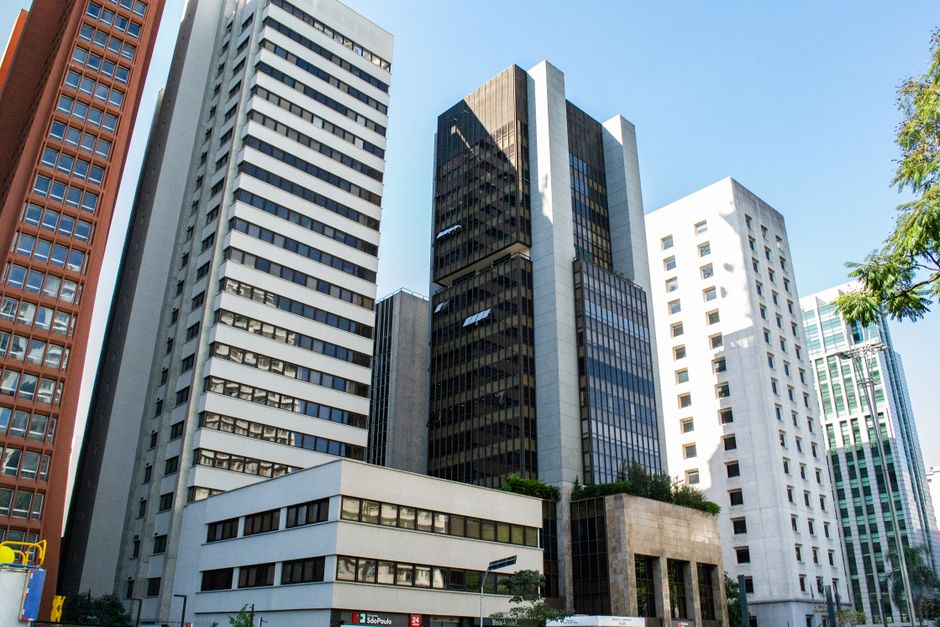
Walk through Vila Mariana or Pinheiros on any weekday morning, and you'll see São Paulo's economic tension in real time. Coffee shop conversations buzz with talk of layoffs at established manufacturing firms, yet recruitment posters plaster the windows of tech startups clustering around Avenida Paulista. For residents trying to understand their own economic prospects, this contradiction matters profoundly.
The numbers tell a complicated story. While São Paulo's unemployment rate has stabilized around 7.8 percent—better than Brazil's national average—the composition of available jobs has shifted dramatically. Traditional sectors that once anchored middle-class stability, particularly in automotive and textile manufacturing in the ABC region and surrounding municipalities, continue shedding positions. Simultaneously, demand for roles in technology, logistics, and financial services has intensified, but these opportunities often require skills many displaced workers lack.
For a consumer's wallet, this translates to real consequences. Entry-level positions in growth sectors typically offer competitive salaries—a junior software developer in Vila Leopoldina might earn R$6,000 to R$8,000 monthly—but positions in shrinking industries increasingly offer less. Retail and hospitality workers around Rua 25 de Março and the Liberdade district report stagnant wages despite longer hours, with many earning minimum wage or only marginally above it.
The gig economy deserves particular attention. Delivery drivers, ride-share operators, and freelancers now comprise roughly 28 percent of São Paulo's workforce, up significantly from five years ago. This flexibility appeals to many, but it masks instability: these workers lack traditional benefits, pension contributions, and income predictability that salaried positions provide. A delivery driver might earn R$3,500 monthly on good weeks, but illness or economic downturns immediately impact earnings.
What should everyday residents understand? First, skill development has become essential insurance. Technical training in logistics, data analysis, or digital marketing offers better job security than relying on experience in declining sectors. Second, the city's economic health increasingly depends on sectors concentrated in specific neighborhoods—tech in the southwest, finance along Paulista, logistics near the ports. Geographic mobility for work is becoming necessary for many families.
Third, wage growth is not keeping pace with São Paulo's cost of living. Rent in Consolação or Santo André consumes an ever-larger share of household income, while real wages have stagnated. Residents should expect their purchasing power to tighten unless they successfully transition into higher-demand fields.
São Paulo remains Brazil's economic engine, but its transformation is reshaping who prospers and who struggles. Understanding these shifts—not just reading headlines—helps residents make smarter decisions about their careers and finances.
This article was compiled by AI from the sources linked above and screened before publishing. See our editorial standards.
How does this story make you feel?
Spread the word
About this article
Published by The Daily São Paulo
Daily brief
Free, in your inbox before 7am. Weekdays.
More in Business