Why Your Supermarket Prices Keep Rising: A Consumer's Guide to Global Trade Chaos
From coffee to smartphones, São Paulo residents are feeling the effects of worldwide supply chain upheaval—here's what you need to know.
From coffee to smartphones, São Paulo residents are feeling the effects of worldwide supply chain upheaval—here's what you need to know.
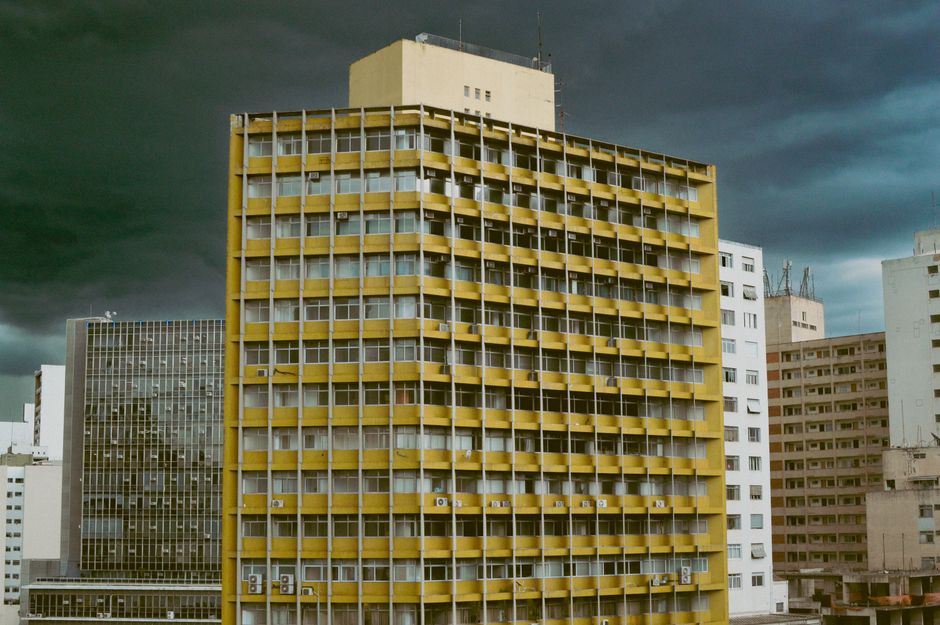
Walk into any Pão de Açúcar supermarket in Vila Mariana or Pinheiros, and you'll notice it immediately: prices climbing faster than the Edifício Itália elevator. A kilogram of coffee that cost R$18 last year now hovers near R$24. The organic vegetables at the Zona Cerealista market are increasingly scarce. Your phone bill keeps creeping upward. These aren't random fluctuations—they're symptoms of a global trade system in visible distress, and understanding why matters for your household budget.
Brazil's economy, for all its regional importance, remains deeply woven into international supply chains that are currently fraying. Over 27% of the food consumed in São Paulo depends on imports or components from abroad, according to municipal commerce data. When geopolitical tensions spike—whether in the Middle East, Africa, or Eastern Europe—shipping routes get disrupted, tariffs spike, and those costs flow directly to your grocery bag and utility bills.
The mechanics are straightforward but consequential. A container ship carrying electronics components from Southeast Asia to the port of Santos faces longer routes if regional conflicts escalate. Insurance premiums rise. Fuel surcharges get added. By the time products reach the shelves of shopping centers in Morumbi or markets in Tatuapé, retailers have already absorbed significant additional costs. They pass these along to you.
Currency fluctuations add another layer. Brazil's real has been volatile against the US dollar, which is the currency used for most international trade. When the dollar strengthens, imported goods become more expensive. A shirt manufactured in Bangladesh and sold at Rua 25 de Março's wholesale district costs more to import. Retailers adjust their margins accordingly.
What should residents understand? First, these price increases aren't simply inflation—they reflect genuine structural shifts in global commerce. Second, diversification matters: products sourced closer to home (regional Latin American suppliers, for instance) often face fewer supply shocks than those traveling transoceanic routes. Third, local businesses adapting to these realities are increasingly important to your daily life and budget.
Watch for products labeled with local or regional origins when you're at the Zona Leste markets or neighborhood butchers. These often provide more price stability. Pay attention to supply-chain news alongside economic reports—they're now equally relevant to your household finances. And recognize that your neighbor's struggle with grocery costs reflects forces far beyond City Hall's control, shaped by trade wars, shipping crises, and geopolitical gambling happening thousands of kilometers away.
This article was compiled by AI from the sources linked above and screened before publishing. See our editorial standards.
How does this story make you feel?
Spread the word
About this article
Published by The Daily São Paulo
Daily brief
Free, in your inbox before 7am. Weekdays.
More in Business