How Brazil's Trade Deficits and FDI Flows Shape São Paulo's Business Future
Understanding the economic signals reshaping investment in Latin America's largest financial hub.
Understanding the economic signals reshaping investment in Latin America's largest financial hub.
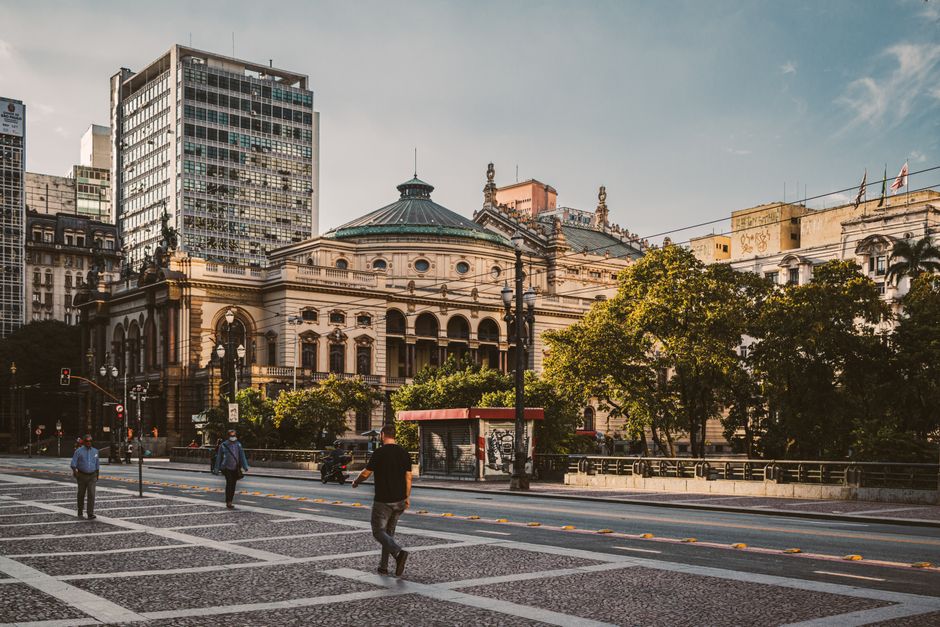
São Paulo's business community is closely watching a critical shift in Brazil's economic indicators this quarter. The country's trade balance has swung toward a deficit of $2.1 billion in May alone, marking the third consecutive month of negative flows—a reversal that's sparking conversations in corporate boardrooms from Avenida Paulista to the financial district near Pinheiros.
The deficit reflects changing global demand patterns. While agricultural exports remain robust, manufacturing competitiveness has weakened as the Brazilian real strengthened against the dollar. This matters directly for companies operating from São Paulo's industrial zones: reduced export margins are forcing operational reviews across sectors from automotive to petrochemicals.
Yet foreign direct investment (FDI) tells a more nuanced story. Through May, Brazil attracted $28.7 billion in FDI—down 12% year-over-year but still substantial. The FIPE economic research institute notes that investment flows have redirected toward services and technology rather than traditional manufacturing. This benefits São Paulo's growing fintech corridor around Vila Mariana and the expanding tech ecosystem in Zona Leste, even as traditional industrial investments decline.
What's driving these shifts? Rising geopolitical uncertainty, particularly tensions affecting Middle Eastern trade routes and supply chains through the Suez Canal, has accelerated supply-chain reshoring decisions. Several multinational logistics firms are expanding distribution centers in São Paulo's ABC region as companies hedge against disruptions on traditional shipping lanes.
Currency movements compound the picture. The real's appreciation makes Brazilian exports more expensive internationally while making foreign acquisitions cheaper—a dynamic that benefits investment inflows but strains exporters. Manufacturing firms in São Caetano do Sul and Diadema are particularly squeezed, while service-sector companies seeking expansion capital find this an opportune moment to raise funds from international sources.
For investors and business leaders, the lesson is clear: macro trends demand micro-level adaptation. Companies cannot simply assume past patterns hold. The Chamber of Commerce in São Paulo's Centro district is hosting quarterly briefings specifically addressing how changing trade balances and FDI reallocations affect sector-specific strategies.
The coming quarters will prove critical. If trade deficits persist while FDI remains steady but selective, São Paulo's economy will increasingly reflect a services-led, technology-focused profile—a fundamental reshaping of the city's business character that extends far beyond quarterly earnings reports.
This article was compiled by AI from the sources linked above and screened before publishing. See our editorial standards.
How does this story make you feel?
Spread the word
About this article
Published by The Daily São Paulo
Daily brief
Free, in your inbox before 7am. Weekdays.
More in Business


