São Paulo's Housing Shortage Opens Doors for Savvy Investors While Renters Face Squeeze
As vacancy rates plummet across the city's most desirable neighbourhoods, a new class of micro-investors is capitalizing on the gap between supply and demand.
As vacancy rates plummet across the city's most desirable neighbourhoods, a new class of micro-investors is capitalizing on the gap between supply and demand.
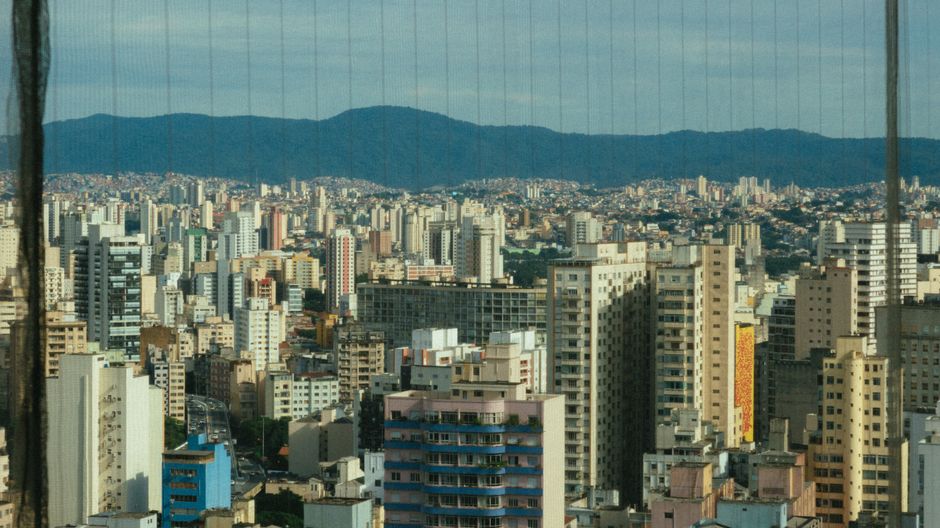
The mathematics of São Paulo's rental market have shifted dramatically. With vacancy rates hovering below 5 percent across Pinheiros, Vila Madalena, and Jardins—down from 8 percent just three years ago—the city's housing crunch has evolved from a social concern into a wealth-creation opportunity for those positioned to exploit it.
The numbers tell the story. Average monthly rents in Jardins have climbed to R$4,500 for a two-bedroom apartment, while comparable units in Pinheiros command R$3,800 to R$4,200. For middle-class renters, this represents a significant portion of household income. But for a growing cohort of property owners and small investment groups, it represents reliable returns that outpace traditional savings accounts and equity markets.
"We're seeing a fundamental restructuring," explains the investment landscape visible in recent activity along Rua Augusta and the corridors around Avenida Paulista, where property acquisition has accelerated. Real estate investment funds have multiplied their offerings, with several now targeting first-time investors seeking exposure to residential portfolios without the complications of direct ownership.
The winners emerging from this squeeze are clear: established property owners who purchased years ago are seeing appreciation and steady rental income. Middle-tier investors who began acquiring units two to three years ago are now experiencing double-digit annual returns. Even newer market entrants—younger professionals pooling resources through informal syndicates—are finding opportunities in smaller units and converted commercial spaces in transitional areas like Bom Retiro and parts of Tatuapé.
What's less visible is the human cost. Young professionals earning R$6,000 to R$8,000 monthly find themselves forced to accept longer commutes, moving to Zona Leste suburbs like Itaquera or São Miguel Paulista, where rents average R$1,500 to R$2,000 but commute times can exceed 90 minutes. The supply-demand imbalance has created a two-tier rental market: premium urban housing for those who can afford premium prices, and sprawling peripheral housing for everyone else.
The municipal government's recent focus on zoning reforms and expedited construction permits in Mooca and the Vila Olímpia area suggests awareness of the problem. But delivery of new supply remains sluggish relative to demand. Until construction meaningfully outpaces population growth and rental demand, this opportunity structure will persist—generating wealth for investors while reshaping where ordinary São Paulistas can afford to live.
This article was compiled by AI from the sources linked above and screened before publishing. See our editorial standards.
How does this story make you feel?
Spread the word
About this article
Published by The Daily São Paulo
Daily brief
Free, in your inbox before 7am. Weekdays.
More in Business


