What São Paulo Residents Really Need to Know About the Tourism Boom Reshaping Your City
As visitor numbers surge and prices climb across transport, dining and accommodation, here's how the changing travel economy affects your daily life.
As visitor numbers surge and prices climb across transport, dining and accommodation, here's how the changing travel economy affects your daily life.
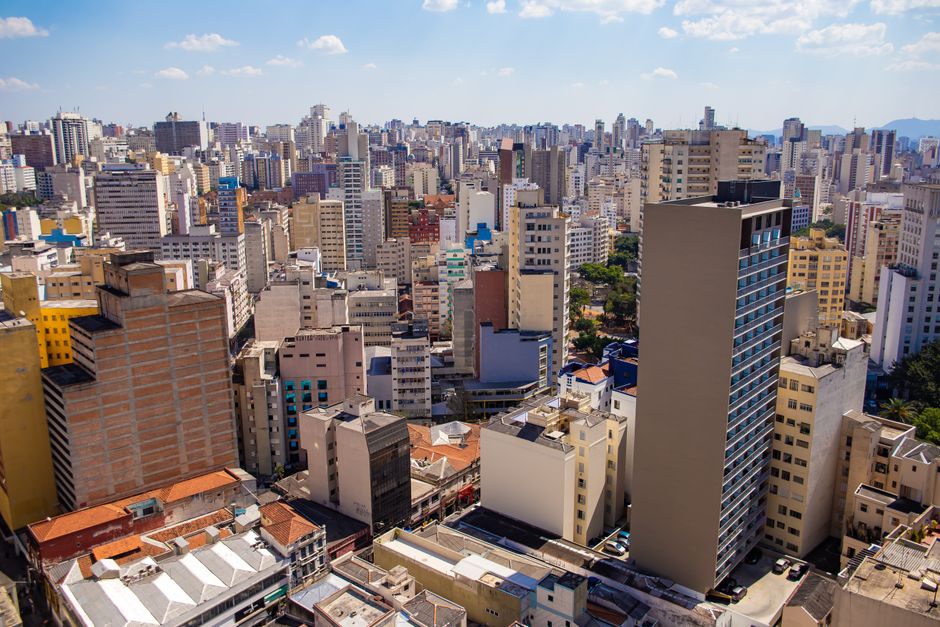
São Paulo's visitor economy is accelerating at a pace most residents haven't fully registered. Last year, the city welcomed over 15 million domestic and international visitors—a 22% jump from 2024—and that momentum is reshaping everything from metro congestion to rental prices in traditionally residential neighbourhoods.
For everyday paulistas, this shift has immediate, tangible consequences. The Linha 1 Azul and Linha 2 Verde, already strained during peak hours, now compete with tour groups navigating between Luz and Paraíso stations. Meanwhile, neighbourhoods like Vila Madalena and Pinheiros—once primarily residential—have seen short-term rental platforms transform apartment buildings into de facto hotels. A two-bedroom apartment that rented for R$2,500 monthly five years ago now fetches R$4,200 when split into nightly bookings, pricing out long-term renters and reshaping community continuity.
Restaurant and café pricing reflects this reality too. Establishments along Rua Augusta and near MASP increasingly cater to visitors willing to pay premium rates. A simple cafezinho that cost R$3 in 2020 now runs R$6–8 in high-traffic areas. Local food courts and traditional spots are gradually disappearing, replaced by establishments optimised for tourism revenue.
Transport costs have shifted as well. Uber and taxi fares surge during major events or when cruise ships dock at Santos. The airport bus services, once primarily for business travellers, now require advance booking during peak seasons. For residents commuting daily, this means either paying inflated prices or navigating fuller public transport during tourist seasons.
The economic benefits aren't distributed evenly. While hotels, restaurants and tour operators thrive, residents competing for housing, parking and table reservations at neighbourhood establishments face genuine friction. The São Paulo Tourism Board projects another 18% visitor increase by 2027, driven partly by improved international flight connections and Brazil's strengthened tourism marketing abroad.
Understanding these dynamics matters because São Paulo's identity is being negotiated in real time. The city's authentic character—its street art, local markets, intimate bars and residential culture—is precisely what attracts visitors, yet tourism infrastructure and pricing can erode those very qualities. Residents should engage with this conversation actively: support local businesses that prioritise long-term community health, advocate for balanced zoning policies that protect residential neighbourhoods, and recognise that tourism revenue and quality of life aren't automatically aligned. Your city's future depends on managing this growth thoughtfully.
This article was compiled by AI from the sources linked above and screened before publishing. See our editorial standards.
How does this story make you feel?
Spread the word
About this article
Published by The Daily São Paulo
Daily brief
Free, in your inbox before 7am. Weekdays.
More in Business