How São Paulo's Economic Signals Shape Where Money Flows—And What It Means for Your Wallet
Understanding the real estate boom in Pinheiros and currency swings helps explain why investment capital keeps flowing into Brazil's financial heart.
Understanding the real estate boom in Pinheiros and currency swings helps explain why investment capital keeps flowing into Brazil's financial heart.
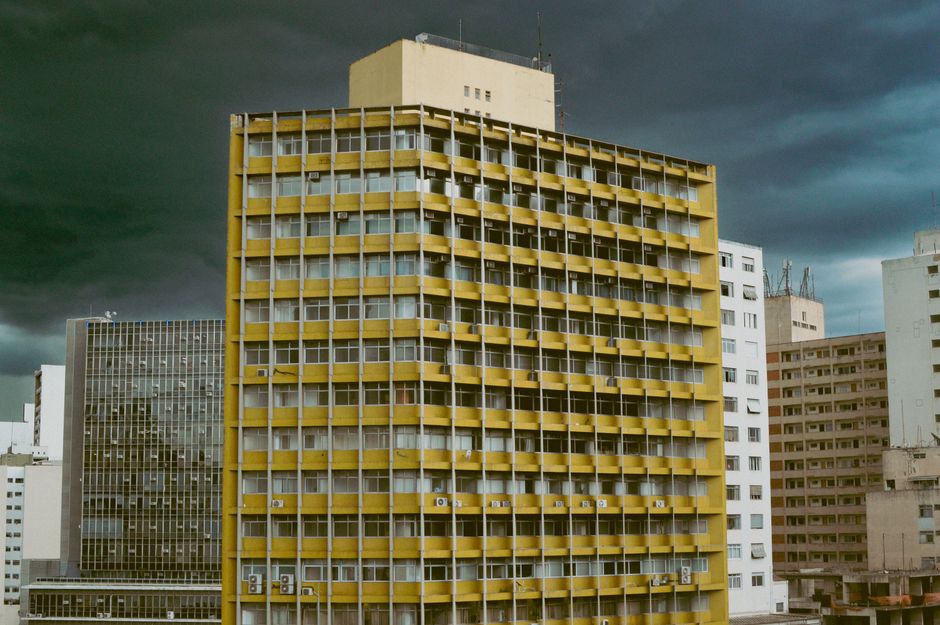
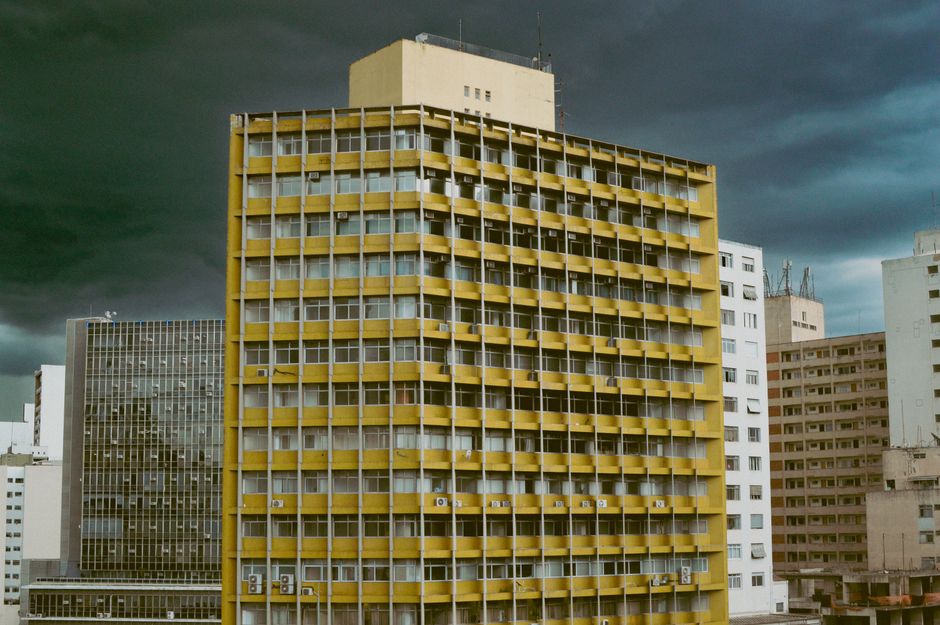
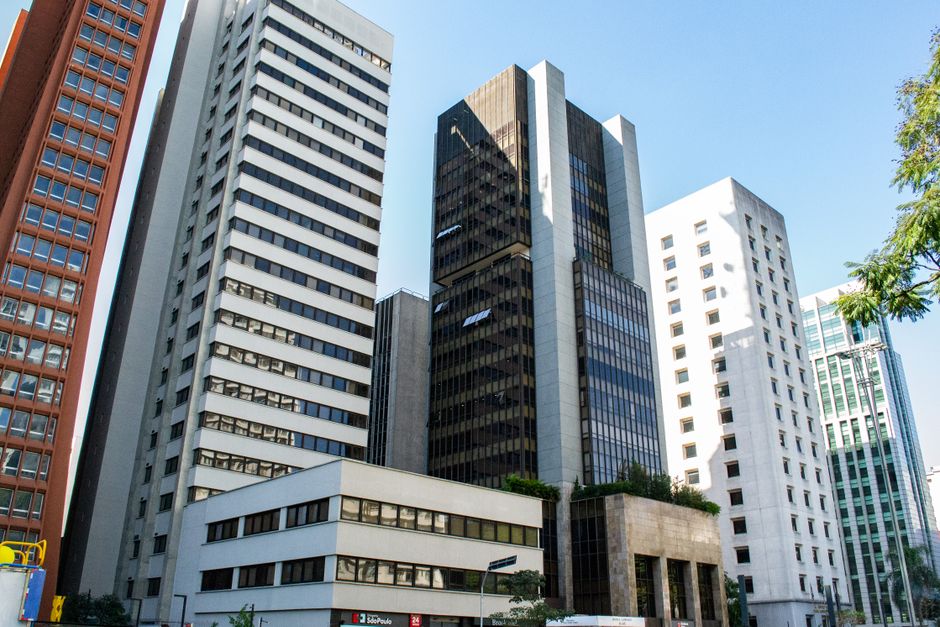
Walk down Rua Oscar Freire on any weekday and you'll see the physical evidence of São Paulo's investment appetite: cranes dot the skyline above Vila Mariana, new office towers rise in Itaim Bibi, and residential prices in Pinheiros have climbed 40% over the past three years. But what drives these visible changes? The answer lies in a handful of economic indicators that sophisticated investors watch like hawks—and that everyday Paulistas should understand too.
The first signal is the Ibovespa, São Paulo's stock exchange index. When international capital flows strengthen—particularly when US interest rates drop—money tends to find its way to emerging markets like Brazil. Currently, foreign investment in Brazilian equities has rebounded after last year's volatility, signalling renewed confidence. This trickles down: construction companies expand, property developers break ground on new projects, and employment in the real estate sector picks up. A two-bedroom apartment in Consolação that cost R$850,000 two years ago now fetches R$950,000 or more.
The Brazilian real's exchange rate is equally crucial. When the currency strengthens against the dollar, imported goods become cheaper—affecting everything from groceries at supermarkets in Higienópolis to manufacturing costs in the industrial suburbs of Diadema and São Caetano do Sul. A weaker real, conversely, makes Brazilian exports more competitive globally, attracting manufacturing investment but raising import-dependent consumer prices. This June, the real hovered around 5.0 to the dollar, a level that influences both corporate investment decisions and household purchasing power.
Then there's inflation. São Paulo's cost of living remains one of Brazil's highest. A middle-class family's monthly expenses—rent in Vila Madalena, groceries, transport on the CPTM subway system—have absorbed successive price pressures. The Central Bank's inflation targets directly shape whether the São Paulo Stock Exchange thrives or stagnates, because high inflation erodes both corporate profits and consumer confidence.
The relationship between these indicators and real estate exemplifies the system. When foreign investment grows and the real strengthens, developers see opportunity and begin projects. Banks loosen credit conditions. Young professionals moving to Vila Olímpia or Pinheiros for tech jobs fuel demand. Conversely, when investment dries up or inflation spikes, construction halts, rents stabilise, and consumer spending retracts.
For Paulistas navigating this landscape—whether deciding to buy property, change jobs, or plan retirement—grasping these flows matters. They're not abstract numbers on Bloomberg terminals. They determine whether your neighbourhood's real estate appreciates, whether your employer expands hiring, and whether your purchasing power holds steady. São Paulo's economic indicators don't just explain investor behaviour: they shape the city itself.
This article was compiled by AI from the sources linked above and screened before publishing. See our editorial standards.
How does this story make you feel?
Spread the word
About this article
Published by The Daily São Paulo
Daily brief
Free, in your inbox before 7am. Weekdays.
More in Business