The São Paulo commercial property market is undergoing a subtle but unmistakable shift. After years of uncertainty following the pandemic's remote-work revolution, a clearer picture is emerging: companies want offices again, but only the right ones, in the right neighbourhoods, at the right price.
The numbers tell the story. Average office rental rates in traditional business hubs like Avenida Paulista have flatlined around R$45–55 per square metre monthly, according to recent market surveys. But in emerging corridors—particularly along Avenida Brigadeiro Faria Lima in Pinheiros and the tech-forward clusters around Vila Mariana—landlords are reporting occupancy rates climbing above 85%, with new leases signed at R$60–75 per square metre. The gap is widening, and opportunity is concentrating.
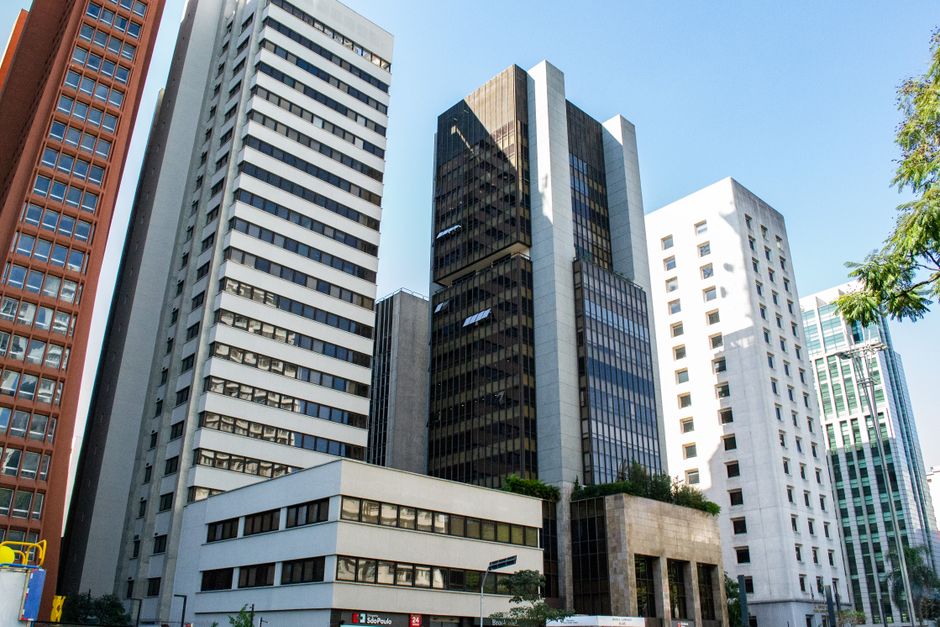
The winners are clear. Developers who anticipated the shift toward smaller, more flexible spaces are reaping rewards. Properties offering modular layouts, collaborative areas, and proximity to metro stations are commanding premium rates. Meanwhile, owners of aging tower blocks along Avenida Paulista are grappling with vacancies and capital expenditure demands.
What's driving this? São Paulo's startup ecosystem is booming. The city hosts over 10,000 startups as of 2026, many clustering in Vila Madalena and Pinheiros, areas once considered secondary for corporate real estate. These companies want 500–2,000 square metres of open-plan space, not the 10,000-square-metre floors that dominated the 1990s. They're willing to pay for location, design, and connectivity—and landlords who've repositioned inventory are benefiting enormously.
Foreign investment firms, particularly from the United States and Europe, are actively acquiring portfolios in these emerging zones. Local players—long-established São Paulo property families and mid-sized developers—are either adapting rapidly or losing ground. Those who've invested in refurbishment and modernization report tenant retention rates above 90%.
The metro expansion project, creeping closer to Vila Mariana, is also reshaping calculus. Properties within 800 metres of planned stations are seeing investor interest spike. Forward-thinking developers are already securing sites along the corridor.
Not everyone is winning. Traditional office parks in the outer suburbs, and ageing commercial real estate in central zones, remain challenged. But for those positioned correctly—with modern spaces, reasonable pricing, and proximity to São Paulo's innovation hubs—2026 marks the beginning of a profitable cycle. The market isn't expanding; it's consolidating around winners. The question now is whether middle-market players can adapt quickly enough.
This article was compiled by AI from the sources linked above and screened before publishing. See our editorial standards.