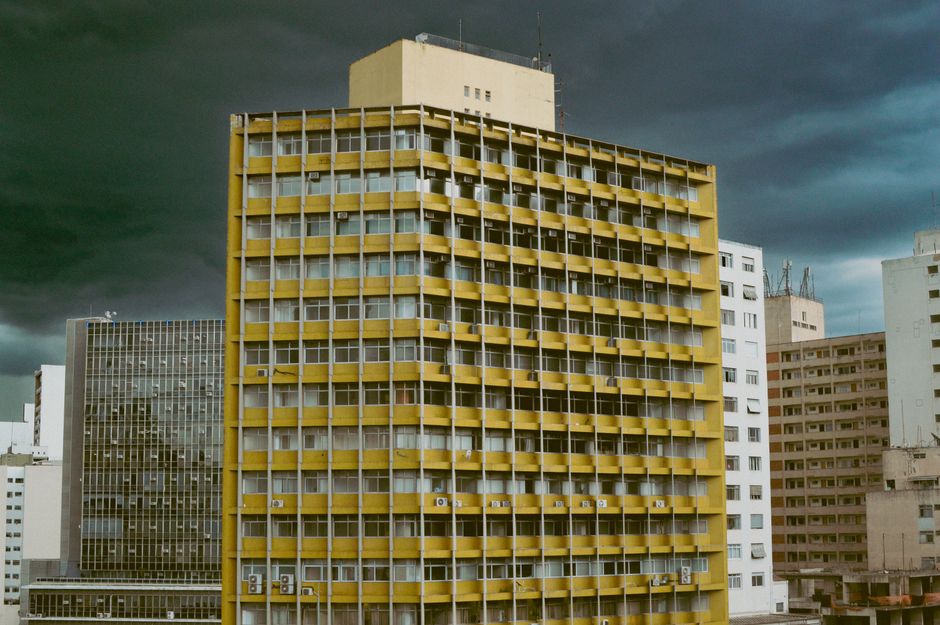
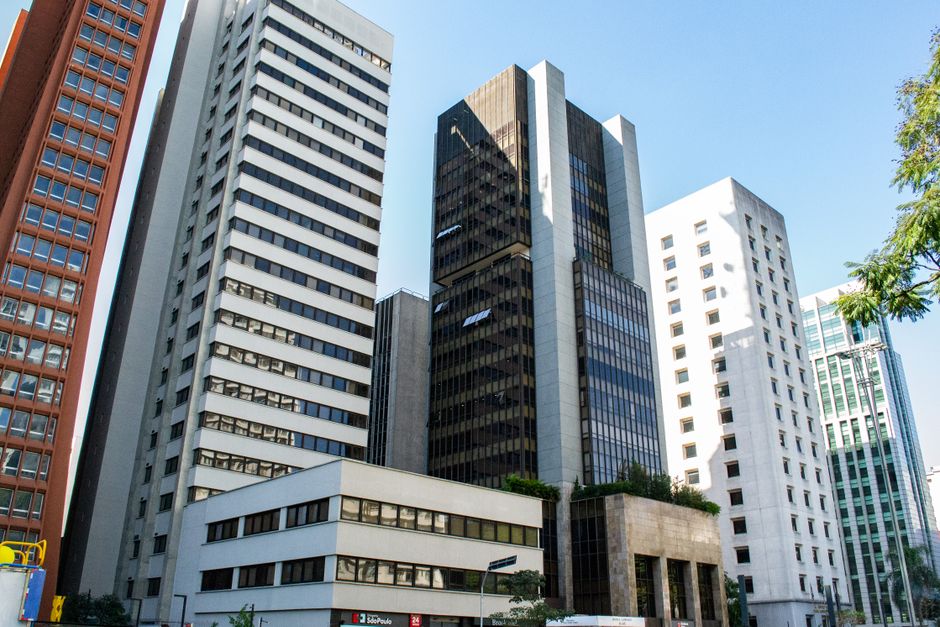
The mood in the executive offices overlooking Avenida Paulista has turned decidedly glum. São Paulo's export-dependent businesses—from agribusiness giants headquartered in the Vila Mariana neighbourhood to manufacturing firms dotting the industrial corridors of the ABC region—are confronting a bruising year of headwinds that threaten to derail Brazil's recovery momentum.
The numbers tell a sobering story. Brazilian exports through Santos port, the nation's busiest, have contracted 8.3 percent in the first half of 2026 compared to last year, according to preliminary data from the Chamber of Maritime Commerce. The average dollar strength against the real, hovering near 5.45 reais, has simultaneously squeezed profit margins even as volumes decline—a toxic combination for firms already operating on thin returns.
"We're seeing a convergence of crises," explains the sentiment among traders frequenting the business lunch spots around Rua Augusta and Rua Oscar Freire. The escalating trade tensions between Washington and Beijing, combined with fresh protectionist measures across Europe, have created unpredictable market conditions that make planning impossible. New American tariffs on manufactured goods have particularly stung Brazilian industrial exporters who rely on North American supply chains.
The geopolitical turbulence—from Middle Eastern instability to the Pakistan-Afghanistan tensions making headlines—has further complicated logistics. Container shipping rates remain elevated, and several major routes face periodic disruptions. A São Paulo logistics coordinator recently reported that shipments to the Middle East, once reliable, now face 10-15 day delays on average.
Currency volatility deserves particular mention. The real's weakness initially seemed beneficial for exporters, but the Bank of Brazil's recent interventions and the uncertain fiscal outlook have created month-to-month unpredictability that makes forward contracts expensive and hedging increasingly difficult for smaller firms.
Agricultural exporters—traditionally São Paulo's backbone—face their own crisis. Weather instability in competitor nations like Argentina has paradoxically increased supply pressure on global commodities markets, keeping prices depressed despite Brazilian production challenges. Coffee, soybeans, and sugar exporters report margins compressed to historic lows.
The Federation of Industries of São Paulo (FIESP) has begun advocating loudly for government intervention, calling for trade agreements that might offset the broader protectionist wave. Yet consensus on solutions remains elusive.
What's clear is that the easy-money export growth of 2024-2025 has evaporated. For a city whose prosperity has historically depended on seamless global commerce, 2026 represents a humbling reminder of how quickly international conditions can shift.
This article was compiled by AI from the sources linked above and screened before publishing. See our editorial standards.