São Paulo is South America's largest city and one of the world's great cultural capitals. Its free experiences are concentrated in the city's exceptional parks, world-class street art, free museum access policies, and the vibrant Sunday market culture that animates the city's diverse ethnic neighbourhoods. Here are the best free things to do in São Paulo in 2026.
MASP: Free Tuesday Admission
The Museu de Arte de São Paulo Assis Chateaubriand (MASP), one of Latin America's most important art museums and housed in Lina Bo Bardi's iconic 1968 building suspended on red concrete pillars above Paulista Avenue, offers free admission on Tuesdays. The permanent collection includes works by Raphael, Botticelli, Velázquez, Degas, Renoir, Van Gogh, Monet, Portinari, and Di Cavalcanti — the finest single survey of Western and Brazilian art history in South America. The glass-enclosed exhibition floor suspended 8 metres above street level and the free Avenida Paulista public space beneath the museum (a free open market and events space on Sunday mornings) provide additional free cultural engagement.
Ibirapuera Park
Ibirapuera Park (1.6 million square metres, free at all times), designed by Oscar Niemeyer and Roberto Burle Marx and opened in 1954 to celebrate São Paulo's 400th anniversary, is South America's most visited urban park and provides the finest free afternoon in the Brazilian megalopolis. The park's Niemeyer-designed buildings (the Oca exhibition pavilion, the Bienal Pavilion, the Lucas Nogueira Garcez cultural centre) host free and paid exhibitions. The park's lake, the Japanese garden, the cycling circuits, and the Ibirapuera Auditorium (free concerts on selected dates) provide rich free engagement. The São Paulo International Biennial of Contemporary Art (every two years, October-December), held free in the Bienal Pavilion, is Latin America's largest contemporary art event.
Batman Alley (Beco do Batman): Street Art
The Beco do Batman (Batman Alley) in Vila Madalena neighbourhood, a collection of streets (Beco do Batman and the surrounding grid) whose walls have been covered in large-format street art murals since the 1980s (the name derives from an early Batman mural painted by an anonymous artist), is one of the world's finest free outdoor street art collections. The murals are regularly updated and painted over, meaning the collection is always evolving. Walking through the Beco do Batman's walls of politically engaged, aesthetically ambitious murals in the colourful Vila Madalena neighbourhood is completely free and provides the finest free visual art experience in São Paulo. The surrounding Vila Madalena neighbourhood's bars, cafés, and art galleries extend the free creative exploration.
Liberdade: Japanese Neighbourhood and Sunday Market
Liberdade, São Paulo's Japanese neighbourhood (the largest Japanese diaspora community outside Japan, established by the first Japanese immigrants to Brazil in 1908), provides free walking through streets of Japanese restaurants, karaoke bars, Japanese bookshops, anime goods stores, and the distinctive red torii gate streetlights that mark the neighbourhood's identity. The Feira da Liberdade (Liberdade Street Market, free entry, every Sunday 8am-6pm on Praça Liberdade and Rua Galvão Bueno) is one of São Paulo's most vibrant free markets with Japanese, Korean, and Chinese food stalls, Asian craft goods, and fresh produce from the Japanese farming communities of São Paulo state.
Avenida Paulista on Sundays
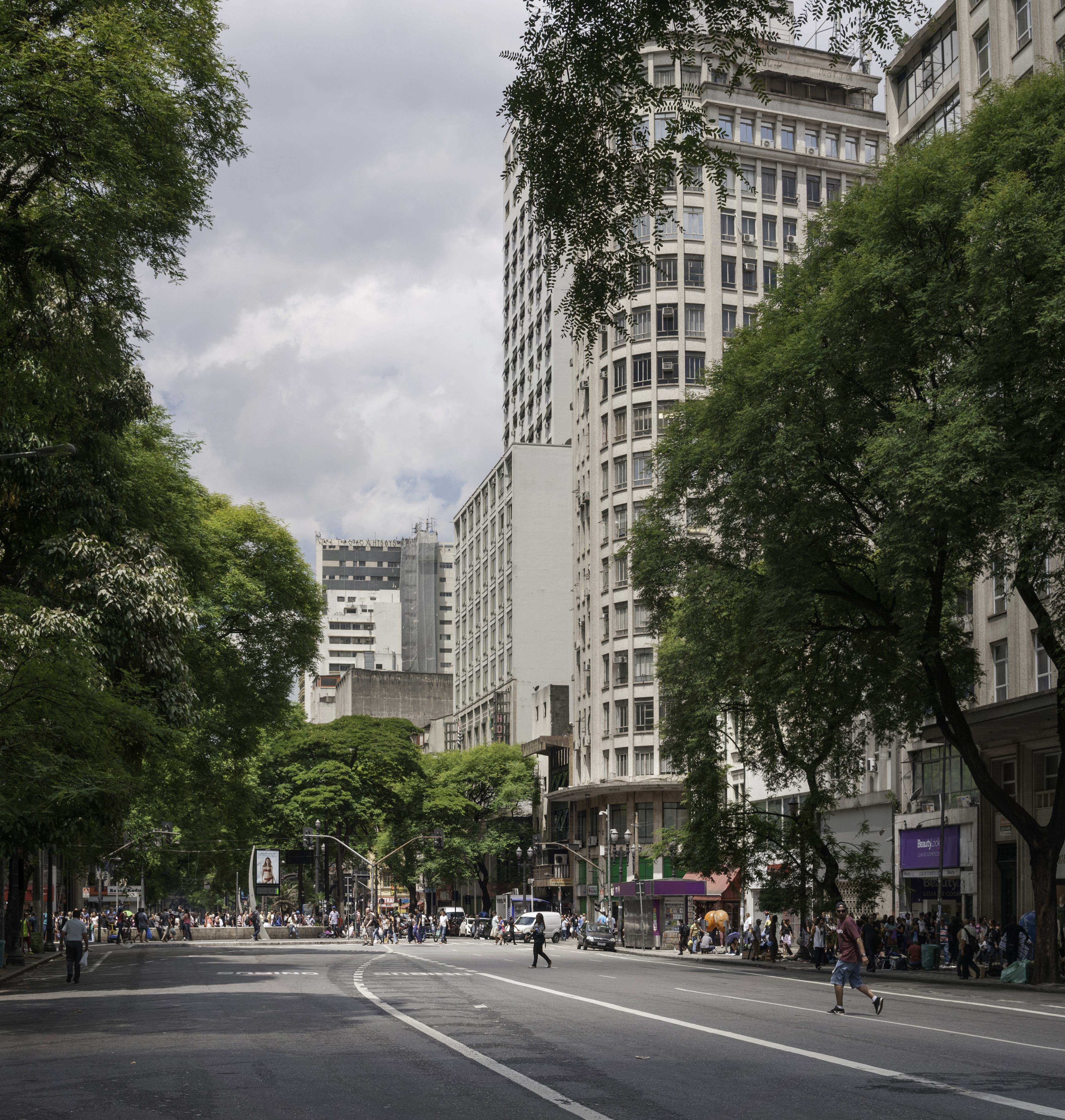
Every Sunday from 9am-4pm, Avenida Paulista — São Paulo's most famous boulevard (2.8km of banks, cultural institutions, and galleries connecting the Consolação and Brigadeiro Metro stations) — is closed to vehicles and becomes a pedestrian promenade for cycling, skateboarding, street performances, food vendors, and the collective Paulistano social experience. The Sunday Paulista closure is one of South America's finest regular free public events and is particularly vibrant on the first Sunday of each month when the free MASP market opens beneath the museum. The Itaú Cultural centre, the Casa das Rosas poetry house, and the FIESP cultural centre on Paulista provide free exhibitions alongside the street event.
Practical Tips
São Paulo's Metro and CPTM suburban rail network provides comprehensive coverage (single fares approximately R$4.40). The Bilhete Único card prepays transit with transfer discounts. São Paulo's size (22 million metropolitan population, 7,500 square kilometres) means inter-neighbourhood travel requires transit planning. October-March (spring and summer) bring afternoon thunderstorms daily but warm evenings; May-September (dry season) provides the most reliable free outdoor conditions. The Consolação, Vila Madalena, and Pinheiros neighbourhoods provide the finest concentration of free walking culture.
This article was compiled by AI and screened before publishing. See our editorial standards.