Walking meditation: how to turn your daily walk into mindfulness
As more Paulistanos seek ways to ease urban stress, mindful walking gains traction in city parks and on bustling avenues.
As more Paulistanos seek ways to ease urban stress, mindful walking gains traction in city parks and on bustling avenues.
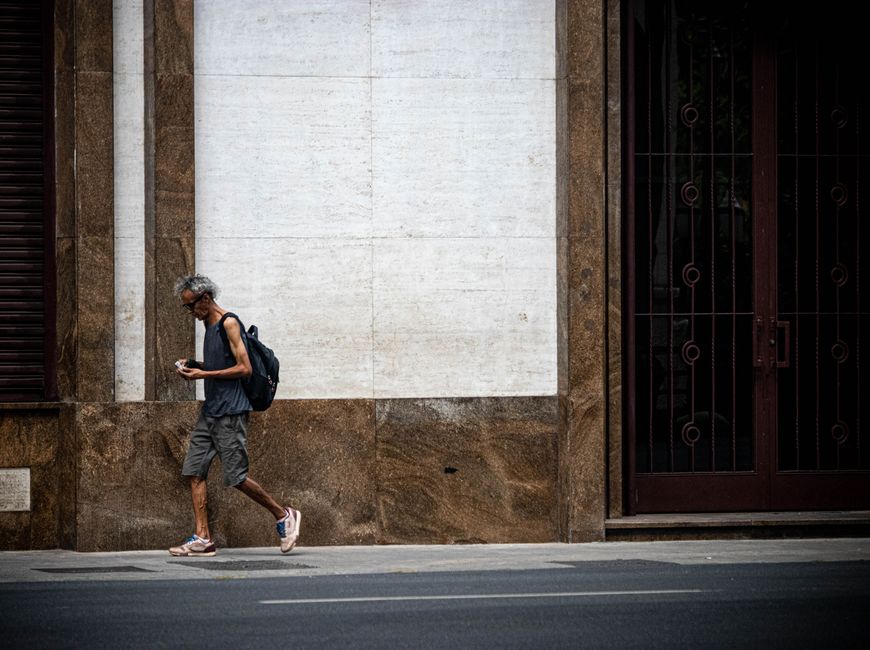
On any given morning in Ibirapuera Park, as joggers cut past cyclists and children chase pigeons near the Obelisco, a growing number of São Paulo residents can be found moving deliberately along the tree-lined paths—walking slowly, eyes softly focused, intent on each step. Walking meditation, once the domain of dedicated yoga studios, has stepped into the open air, with practitioners using their daily strolls as a form of mindful reset.
The shift comes at a time when stress-related health issues are on the rise in Brazil’s largest city. According to the Hospital das Clínicas’ Mental Health Division, consultations for anxiety have jumped 18% since 2021, as residents juggle work, family, and digital overload. Mindfulness techniques, widely studied for their ability to reduce stress and improve focus, are moving beyond the cushion. Walking meditation, in particular, offers a way to find moments of clarity amid São Paulo’s relentless momentum.
While yoga and traditional seated meditation classes remain popular, local programs are increasingly bringing mindfulness into the streets and parks. At Parque Villa-Lobos, the Mindful Steps Project (Projeto Passos Conscientes), organized by local charity Instituto Respire, hosts free group walks on Saturday mornings at 9am. Guide Fernanda Oliva leads sessions starting near the Skatepark entrance, where participants receive simple instructions: slow your pace, tune in to your breath, and focus on the shifting sensations in your feet with each movement.
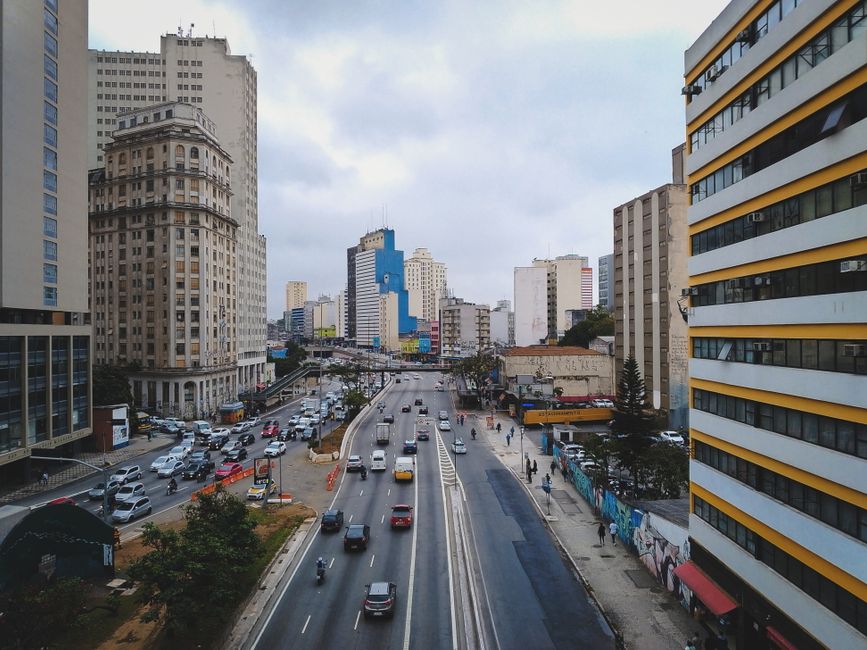
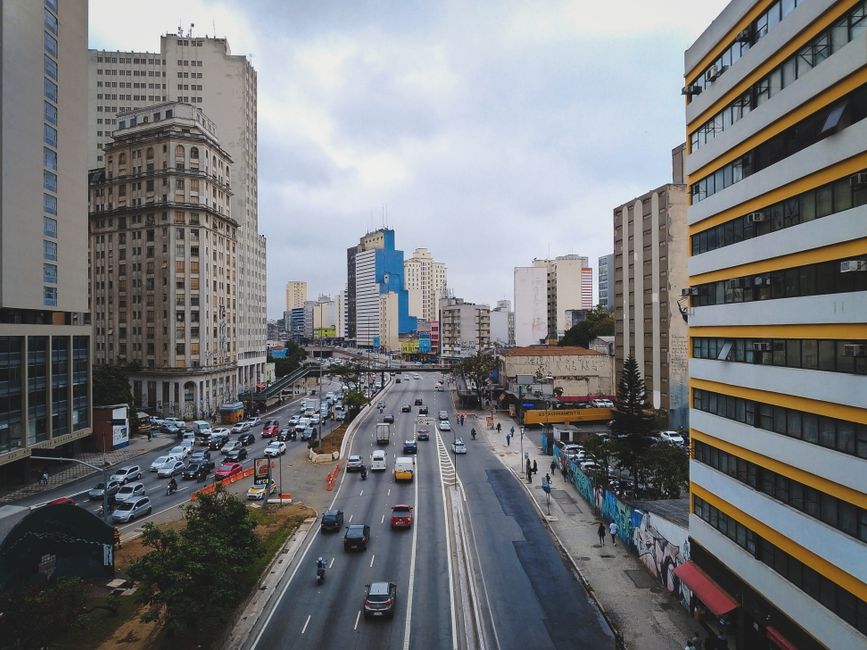
Meanwhile, Avenida Paulista has become an unexpected hub. On Sundays, when the avenue closes to cars, wellness coach Bruno Andrade—whose sessions cost R$60—guides groups from the MASP museum steps to Rua Augusta. The meditative walk cuts through the carnival of street performers and market stalls, encouraging participants to observe the swirl of city life without judgment. Andrade says the urban energy challenges walkers to stay present amidst sensory overload, a skill many say translates directly to daily life.
Research backs the trend. A 2024 study conducted by the University of São Paulo’s School of Medicine tracked 110 Paulistanos practicing walking meditation three times weekly in public parks. After two months, average reported stress levels had dropped by 22%. Participants noted improvements in sleep quality and self-reported focus, echoing international findings on the benefits of moving meditation. Local instructors suggest starting with short, ten-minute walks—ideally away from heavy traffic—before building up to longer sessions as mindfulness becomes more familiar.
For those looking to incorporate walking meditation without joining a group, specialist bookshops like Livraria Cultura on Avenida Paulista stock Portuguese-language guides (typically R$45-70). Several free audio guides—such as those offered by SESC’s "Mindfulness Caminhante" program—are available online, enabling city dwellers to try solo walks in Parque da Água Branca or even along quieter stretches of Moema or Higienópolis.
Over the next month, the São Paulo City Secretariat of Health will pilot walking meditation workshops as part of the “Viver Melhor” campaign, aiming to reach at least 2,000 residents by August. Wellness professionals say mindful walking is not simply a wellness trend, but an antidote to urban agitation that anyone—regardless of age or experience—can make part of their daily routine. For now, the advice is practical: swap five minutes of smartphone scrolling for a mindful stroll, and use the city itself as a means of slowing down.
How does this story make you feel?
Spread the word
About this article
Published by The Daily São Paulo
Daily brief
Free, in your inbox before 7am. Weekdays.
More in Wellness