Breathwork Techniques for Instant Calm During a Stressful Day in São Paulo
Quick breathing exercises are helping Paulistanos manage stress, from Avenida Paulista offices to the paths of Ibirapuera Park.
Quick breathing exercises are helping Paulistanos manage stress, from Avenida Paulista offices to the paths of Ibirapuera Park.
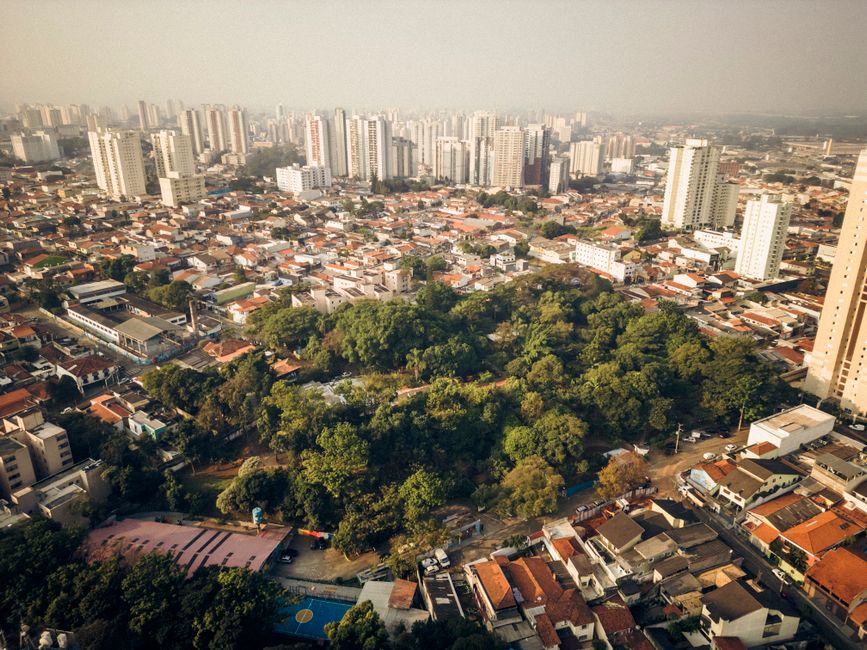
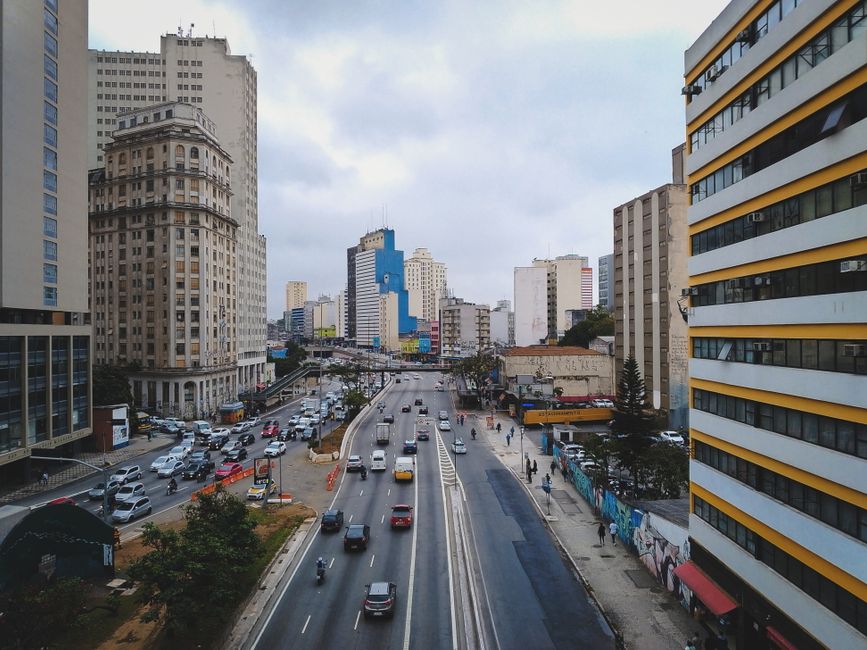
Traffic grinds to a halt on Rua da Consolação. Inside a packed Line 4 metro carriage, a finance manager closes her eyes and counts her breaths. In corporate towers and at bus stops across São Paulo, simple breathwork techniques are quietly gaining followers as the city’s residents hunt for new ways to cope with the daily barrage of stress.
Paulistanos are hardly strangers to nerve-jangling commutes, relentless messages, and the all-hours pace that defines Latin America’s economic powerhouse. Yet levels of stress and anxiety continue to climb: data released in April by the São Paulo State Health Secretariat show a 17% increase in outpatient anxiety diagnoses across the capital’s public clinics in the last year. The demand for accessible, science-backed tools to diffuse those spikes of tension has rarely been higher.
While meditation guides and mindfulness workshops have long been a fixture in wellness enclaves like Vila Madalena, the freshest trend is breathwork: controlled breathing techniques designed to produce near-immediate shifts in how we feel. Over recent months, workshops are filling up at hubs like Espaço Prana on Rua Harmonia, and Saturday morning breathwork circles have sprung up at Ibirapuera Park, drawing over 100 participants each session, organisers say. Even high-end gyms such as Bodytech on Avenida Paulista have begun incorporating dedicated breathwork modules into their Pilates and yoga classes, sometimes at no extra charge.
São Paulo health startups are taking notice. The Calmaria digital platform, based in Pinheiros, recently rolled out a subscription app (R$29.90/month) that leads users through short, guided breathing exercises designed for moments of high tension. Users log in before work presentations, after difficult phone calls, or to wind down on rainy evenings stuck in traffic. Some local companies, like software firm PagueFácil, have started offering lunchtime breathwork micro-sessions to employees via Zoom, citing an uptick in productivity and improved mood on days when staff participate.
Multiple studies support the effect breathwork can have on acute stress. According to research from Hospital das Clínicas, whose mindfulness program for medical staff now serves over 500 participants each quarter, paced breathing exercises reduced cortisol—the body’s primary stress hormone—by an average of 18% after just 10 minutes of practice. Techniques most commonly taught in São Paulo, such as box breathing (four counts inhale, hold, exhale, hold) and the 4-7-8 method (inhale 4 seconds, hold 7, exhale 8), require no special equipment or setting—meaning commuters and office workers can fit them in whenever their heart rate starts to race.
A city survey conducted by SESC in May found that among adults who practiced any form of mindful breathing weekly, 64% reported feeling less overwhelmed during workdays, compared to just 41% of those who used no stress management techniques. Notably, these benefits appeared consistent regardless of age or income level—remarkable in a city as socially diverse as São Paulo.
Most São Paulo practitioners recommend starting with just one to two minutes of breathwork whenever stress flares: inhale deeply through the nose, exhale slowly through the mouth, and repeat. If structure helps, try the popular four-part box breathing: four seconds in, hold for four, four seconds out, hold again. Weekend workshops at Espaço Prana (R$60 for a drop-in class) and free public sessions at Ibirapuera Park (every Saturday from 9am near Gate 7) provide accessible entry points for newcomers.
Already, several hospitals—including Hospital São Luiz in Itaim—are evaluating pilot programs to integrate breathwork into cardiac and chronic pain care; results are expected by December. Meanwhile, digital resources in Portuguese continue to expand, making it easier to build a consistent practice for those who can’t make it to group sessions.
For the time-starved Paulistano juggling work, family, and the unpredictable ups and downs of urban life, making time for a few conscious breaths might just be the fastest route to a calmer, more resilient mind. As stress remains a fact of daily life in São Paulo, the city’s embrace of practical and portable calm is only gaining speed.
How does this story make you feel?
Spread the word
About this article
Published by The Daily São Paulo
Daily brief
Free, in your inbox before 7am. Weekdays.
More in Wellness