São Paulo's mindfulness boom: How local stress management compares to global wellness trends
While meditation apps dominate globally, São Paulo is charting its own path through parks, community spaces, and culturally rooted practices.
While meditation apps dominate globally, São Paulo is charting its own path through parks, community spaces, and culturally rooted practices.
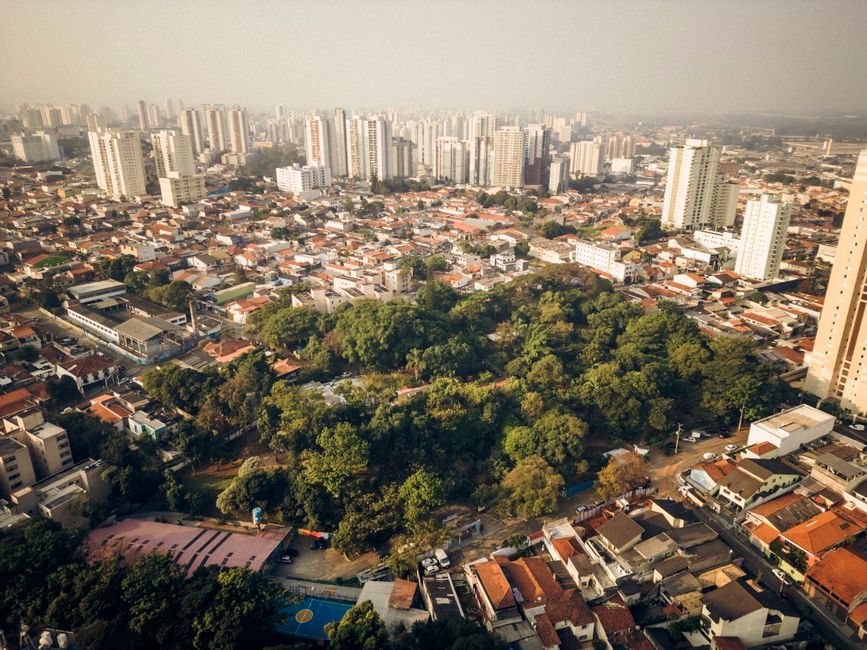
Global mindfulness adoption has exploded—meditation app downloads crossed 100 million annually by 2024—yet São Paulo's approach to mental wellness tells a distinctly local story. Here, stress management isn't confined to smartphone screens. It unfolds across Ibirapuera Park's green spaces, in neighbourhood circles along Vila Madalena's winding streets, and within Hospital das Clínicas' growing integrative medicine programmes.
The contrast is telling. While international wellness trends emphasise bite-sized digital meditation—often targeting time-poor professionals—São Paulo residents increasingly favour embodied, community-based practices. Ibirapuera's fitness hub now hosts free Saturday morning mindfulness sessions alongside its running clubs, drawing crowds that rival paid studio classes elsewhere. The park's eastern gardens have become informal wellness hubs where locals integrate breathing exercises with nature exposure, a practice gaining traction across Brazil's major cities but with distinctly São Paulo flavour.
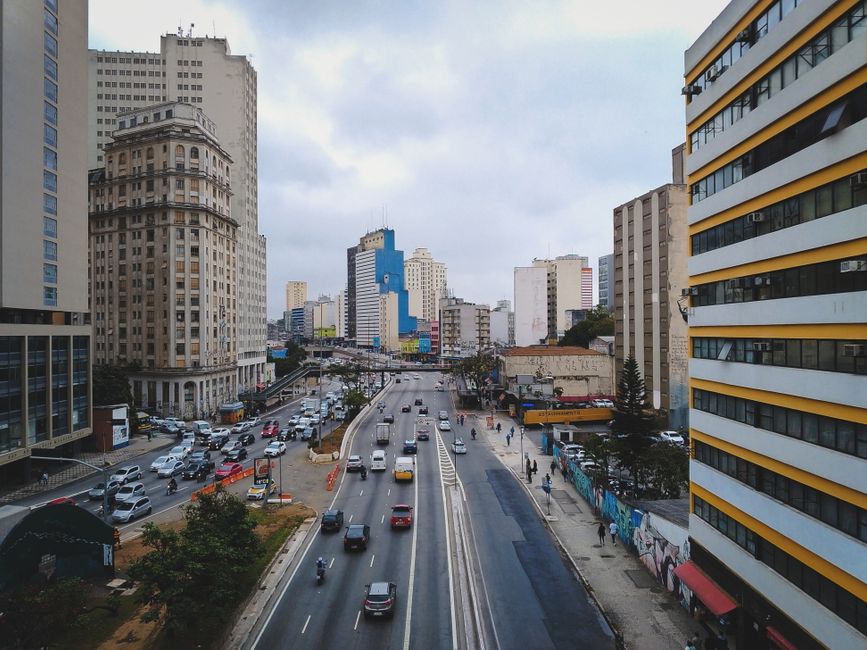
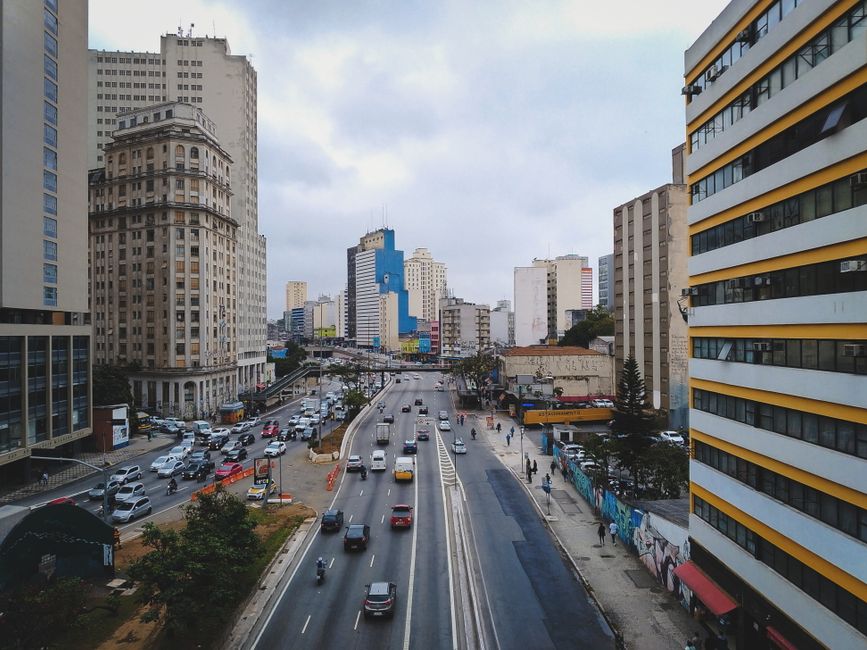
Local uptake reflects São Paulo's unique pressures. The city's notorious traffic congestion and 12-hour workdays create stress patterns different from New York or London. Consequently, neighbourhood-embedded solutions—yoga studios in Pinheiros, capoeira circles in the suburbs, community meditation groups in Consolação—address both accessibility and cultural resonance. A 2025 survey by the São Paulo Wellness Council found 67% of city residents favour group-based stress management over solitary app use, compared to 48% globally.
Hospital das Clínicas has responded by integrating mindfulness into conventional mental health treatment. Their expanded integrative medicine wing now offers subsidised breathing workshops and stress-reduction courses, partially covered by public health insurance. This institutional approach differs markedly from the global trend of corporate wellness programmes and premium app subscriptions.
Yet São Paulo isn't immune to global patterns. Meditation apps see steady uptake among Avenida Paulista office workers, and wellness influencers promoting branded mindfulness kits proliferate across social media. Upscale neighbourhoods like Jardins increasingly host boutique mindfulness studios charging R$150–200 per session—pricing that excludes much of the city.
The real story isn't competition between local and global approaches; it's hybrid adoption. São Paulo's stressed professionals might meditate via app during Tuesday commutes, then join community breathing circles in Ibirapuera on weekends. This flexibility—drawing on both digital convenience and tangible community connection—may ultimately explain why São Paulo's mental wellness landscape feels less prescriptive than global trends suggest.
The takeaway: effective stress management here isn't about importing wellness trends wholesale. It's about meeting São Paulo's specific rhythms, inequalities, and social fabric where they actually exist.
This article was compiled by AI from the sources linked above and screened before publishing. See our editorial standards.
How does this story make you feel?
Spread the word
About this article
Published by The Daily São Paulo
Daily brief
Free, in your inbox before 7am. Weekdays.
More in Wellness