The Rise of Outdoor Boot Camps: What to Expect
São Paulo's parks are becoming gyms—here's why fitness enthusiasts are trading treadmills for fresh air and community.
São Paulo's parks are becoming gyms—here's why fitness enthusiasts are trading treadmills for fresh air and community.
Walk through Ibirapuera Park on any weekday morning, and you'll hear it before you see it: the rhythmic calls of instructors, the shuffle of trainers on grass, the collective breathing of dozens of people pushing through burpees and mountain climbers. Outdoor boot camps have exploded across São Paulo in the past three years, transforming public spaces into informal fitness hubs that blend sweat, camaraderie, and zero gym membership fees.
The numbers tell the story. Local fitness platforms report a 240 percent increase in outdoor group exercise registrations since 2023, with boot camps leading the trend. What started as niche early-morning gatherings in neighbourhoods like Vila Mariana and Pinheiros has sprawled across the city—from the grassy expanses near Museu do Ipiranga to the promenade along Avenida Paulista, where Sunday cycling culture now shares space with high-intensity interval training sessions.
Why the shift? Partly economics. A typical boot camp costs between R$60 and R$150 per session, undercutting traditional gyms. But the appeal runs deeper. "People want connection," says the wellness community across São Paulo's active neighbourhoods. Group exercise creates accountability and motivation that solo workouts rarely deliver. The outdoor element—fresh air, natural light, changing weather—adds psychological benefits beyond physical exertion.
So what actually happens at these sessions? Expect 45 to 60 minutes mixing cardio bursts with strength exercises using minimal equipment: resistance bands, dumbbells, sometimes just bodyweight. Instructors typically organize participants by fitness level, so beginners and athletes train alongside each other. Classes usually run early morning (6 a.m. to 7:30 a.m.) or evening (5 p.m. to 6:30 p.m.), matching São Paulo's work schedules.
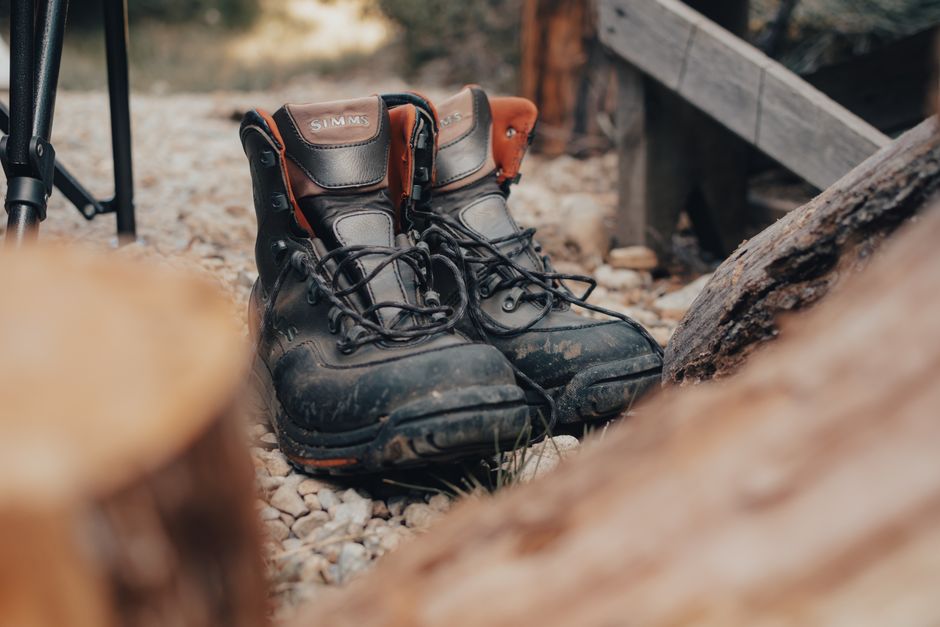
First-timers should arrive 10 minutes early, bring water and a towel, and wear supportive footwear appropriate for uneven park terrain. The communities are welcoming—many participants have trained together for months—but intensity varies by instructor. Some emphasize military-style discipline; others blend functional fitness with mindfulness.
The trend also reflects São Paulo's broader wellness awakening. Combined with the city's thriving healthy café culture and world-class facilities like Hospital das Clínicas, outdoor fitness represents accessible preventative health. It's democracy in motion: fitness without gatekeeping, strength training without air conditioning.
If you're considering joining, start with one session to gauge intensity and community vibe. Most organizers advertise on Instagram and WhatsApp community groups. Welcome to São Paulo's outdoor fitness revolution.
This article was compiled by AI from the sources linked above and screened before publishing. See our editorial standards.
How does this story make you feel?
Spread the word
About this article
Published by The Daily São Paulo
Daily brief
Free, in your inbox before 7am. Weekdays.
More in Wellness