São Paulo's stress epidemic: Evidence-based mindfulness strategies that actually work in our city
From managing São Paulo's notorious traffic anxiety to leveraging our parks and wellness culture, here's what neuroscience says will help.
From managing São Paulo's notorious traffic anxiety to leveraging our parks and wellness culture, here's what neuroscience says will help.
São Paulo ranks among Brazil's most stressed cities. A 2024 study by the Brazilian Psychological Association found that 68% of paulistas report moderate to high anxiety levels—largely driven by traffic congestion, work pressure, and urban overcrowding. But research shows that stress management isn't one-size-fits-all. For São Paulo residents, evidence-based solutions must account for local realities.
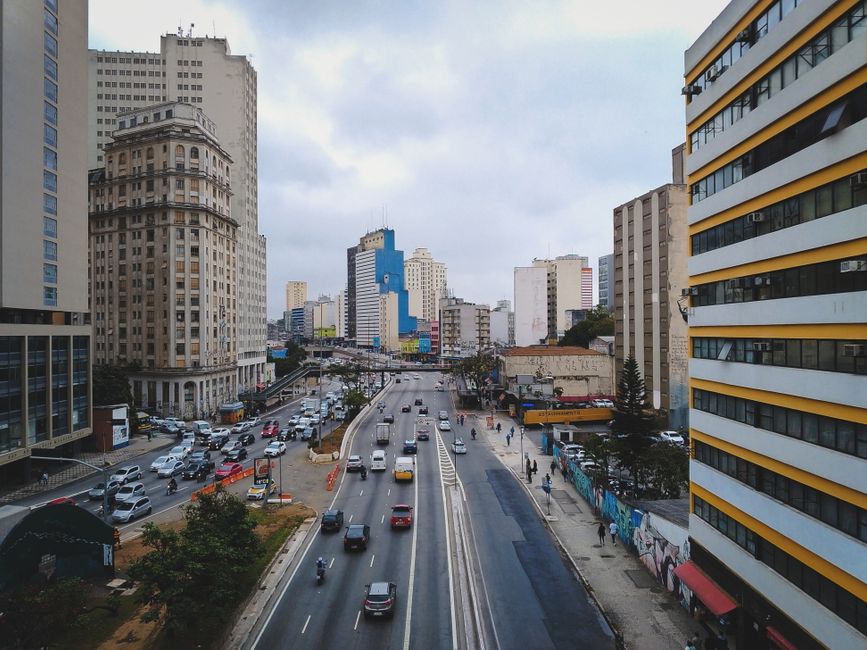
Start with what neuroscience confirms works: controlled breathing during your commute. Whether you're stuck on the Marginal Pinheiros or the 147 bus heading toward Vila Madalena, the 4-7-8 breathing technique (inhale for 4 counts, hold for 7, exhale for 8) activates your parasympathetic nervous system within minutes. This costs nothing and requires no app.
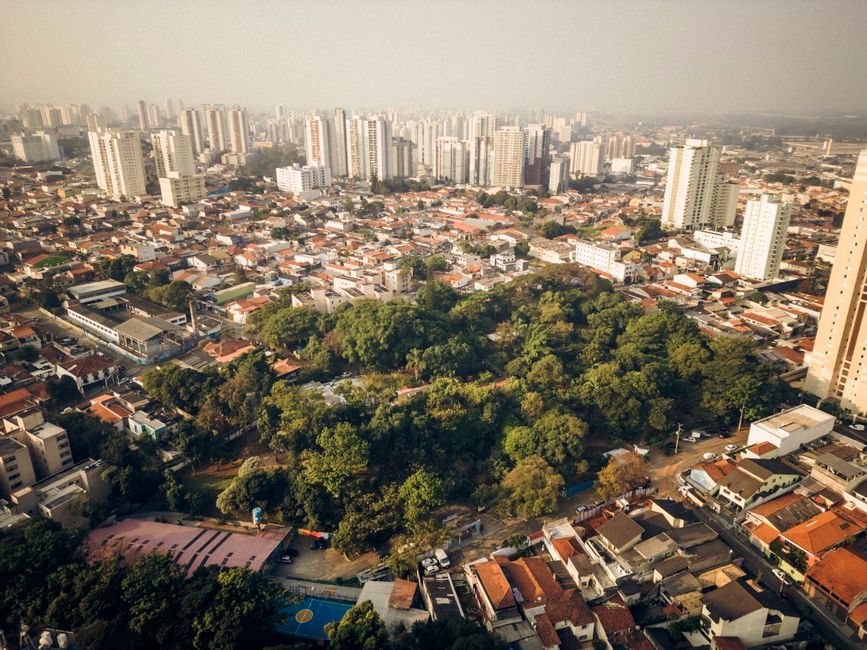
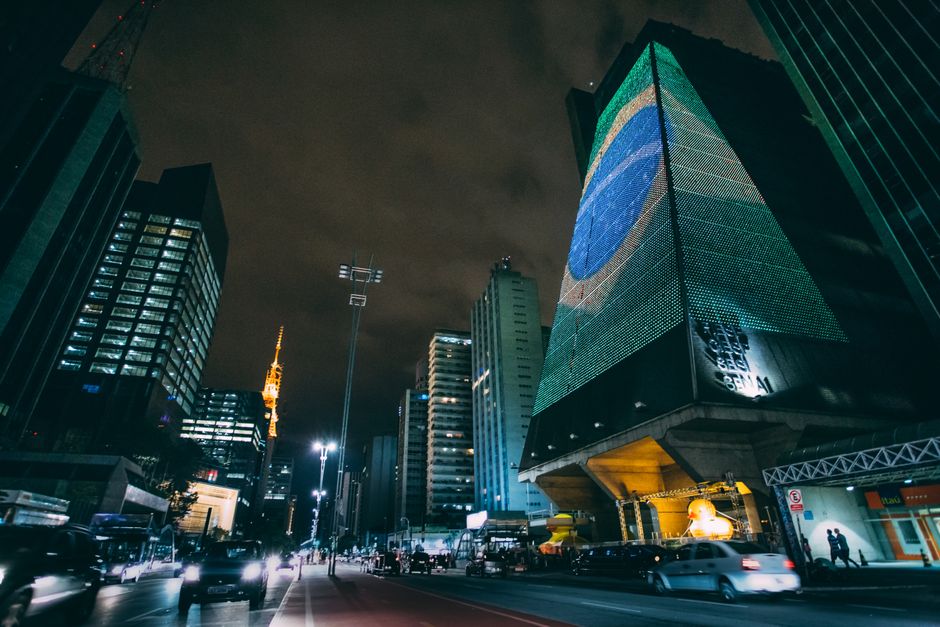
Location matters. Research published in Frontiers in Psychology shows that green spaces reduce cortisol levels by up to 21% after just 20 minutes of exposure. Ibirapuera Park offers this scientifically—its 1,584 hectares provide what São Paulo's concrete jungle otherwise lacks. Sunday cycling along Avenida Paulista, part of the city's ciclocultura movement, combines exercise with nature exposure, activating multiple stress-reduction pathways simultaneously.
For those unable to escape downtown, micro-mindfulness works. A 2023 meta-analysis found that even 5-minute guided meditations reduce anxiety markers. Apps like Headspace (available in Portuguese) cost roughly R$50/month, but Mooca's Buddhist centers and Vila Mariana's meditation groups offer free or donation-based sessions.
São Paulo's café culture provides unexpected benefits. Research suggests that intentional coffee consumption—not rushed gulping—paired with 10 minutes of sitting awareness in neighborhoods like Pinheiros or Vila Madalena slows racing thoughts. The ritual itself, distinct from caffeine's effects, activates mindfulness.
Sleep quality directly impacts stress resilience, yet São Paulo's nightlife and work culture disrupt circadian rhythms. Evidence shows blue-light reduction two hours before bed improves sleep quality by 27%. This costs nothing beyond smartphone settings.
Finally, professional support matters. Hospital das Clínicas offers evidence-based cognitive behavioral therapy (CBT), considered the gold standard for anxiety management. While sessions average R$150–300, many insurance plans cover treatment.
Stress in São Paulo isn't solved by wellness retreats in Bahia. It's managed through consistent, small practices tailored to how we actually live: breathing in traffic, walking in parks, and sitting intentionally with coffee. Neuroscience confirms these work. Start with one.
This article was compiled by AI from the sources linked above and screened before publishing. See our editorial standards.
How does this story make you feel?
Spread the word
About this article
Published by The Daily São Paulo
Daily brief
Free, in your inbox before 7am. Weekdays.
More in Wellness