Eating Well in São Paulo Heat: Evidence-Based Nutrition That Actually Works for Our Climate
From hydration strategies to mineral-rich local produce, here's what science says about fueling your body through São Paulo's intense summer months.
From hydration strategies to mineral-rich local produce, here's what science says about fueling your body through São Paulo's intense summer months.
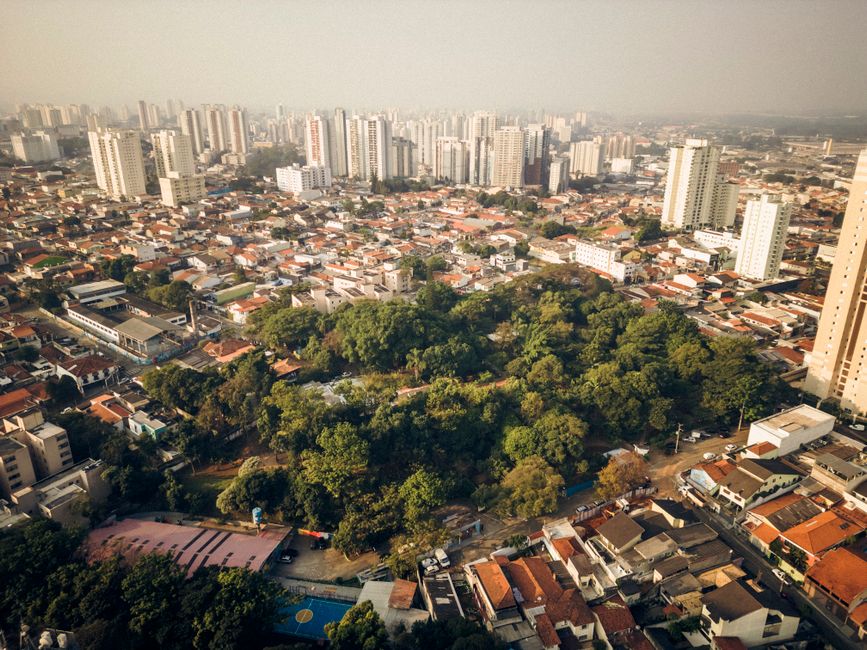
São Paulo's thermometer regularly climbs past 30°C in summer, and our bodies respond by losing crucial electrolytes through sweat. Yet most nutrition advice ignores our specific climate reality. A growing body of research from Brazil's Institute of Food Technology shows that Paulistas need targeted strategies beyond standard dietary guidance.
Start with hydration science: plain water alone doesn't cut it during heatwaves. Your body needs sodium and potassium to retain fluids. Rather than expensive sports drinks, nutritionists increasingly recommend coconut water from vendors along Avenida Paulista—it contains natural electrolytes at R$5-8 per serving. Local açaí bowls, popular in Vila Mariana cafés, also work: the fruit provides anthocyanins that support cardiovascular function under heat stress, while granola adds magnesium for muscle regulation.
Timing matters more here than elsewhere. Research from Hospital das Clínicas suggests eating your heaviest meal between 11am-2pm, when digestive efficiency peaks and ambient temperature is manageable. Many Paulista restaurants now offer lighter evening menus—a practical adaptation backed by circadian rhythm studies. The traditional churrascaria model doesn't suit our climate; lighter grilled fish from markets in Pinheiros neighbourhood provides protein without the metabolic heat load of beef.
São Paulo's year-round farmers markets—particularly those in Vila Madalena and around Ibirapuera Park—offer produce timed to seasonal needs. Winter crops like kale and broccoli are mineral-dense; summer fruits like mango, papaya and passion fruit contain natural cooling compounds and digestive enzymes. Buying seasonally costs roughly 40% less than off-season imports, according to CEAGESP market data.
One overlooked local advantage: Brazil's coffee culture. Studies from the University of São Paulo's nutrition department confirm that moderate caffeine consumption (2-3 cups daily) actually improves heat tolerance by enhancing blood flow regulation. The espresso bars dotting Vila Olímpia serve concentrated doses efficiently—practical for busy professionals.
Finally, fermented foods deserve attention in our climate. Traditional Brazilian cuisine includes miso-like pastes and fermented vegetables that support gut bacteria crucial for nutrient absorption in hot conditions. Several health-focused establishments near Largo da Batata now stock local fermented options alongside imported ones.
The key insight: nutrition isn't universal. What works in temperate climates requires adjustment for São Paulo's heat, humidity and pace. Consulting with registered dietitians at institutions like Hospital das Clínicas ensures your personal strategy fits your specific conditions and health profile.
This article was compiled by AI from the sources linked above and screened before publishing. See our editorial standards.
How does this story make you feel?
Spread the word
About this article
Published by The Daily São Paulo
Daily brief
Free, in your inbox before 7am. Weekdays.
More in Wellness