Things to Do São Paulo: Complete Local Guide
Discover the best things to do São Paulo with insider tips on museums, neighborhoods, and seasonal events. Your complete guide to Brazil's vibrant metropolis.
Discover the best things to do São Paulo with insider tips on museums, neighborhoods, and seasonal events. Your complete guide to Brazil's vibrant metropolis.
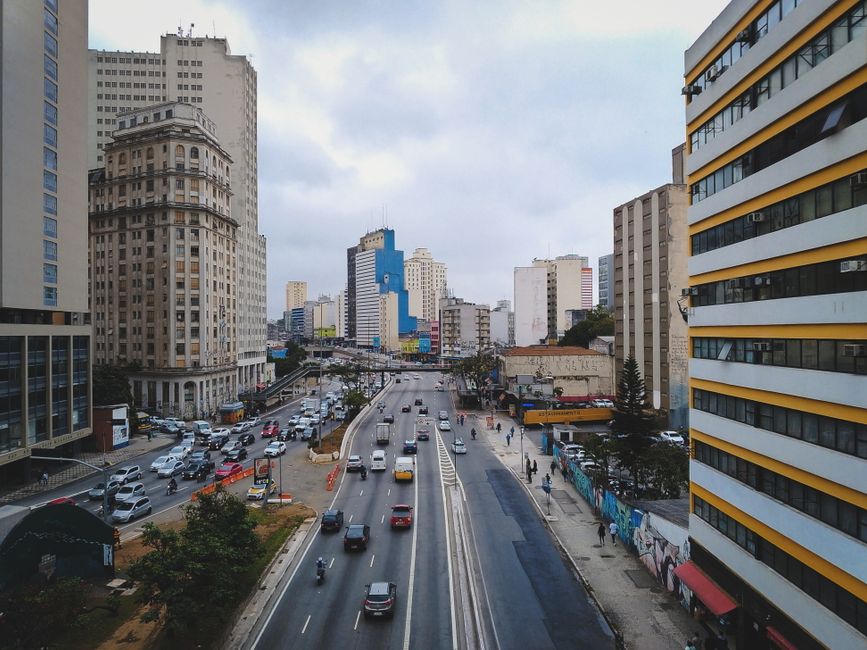
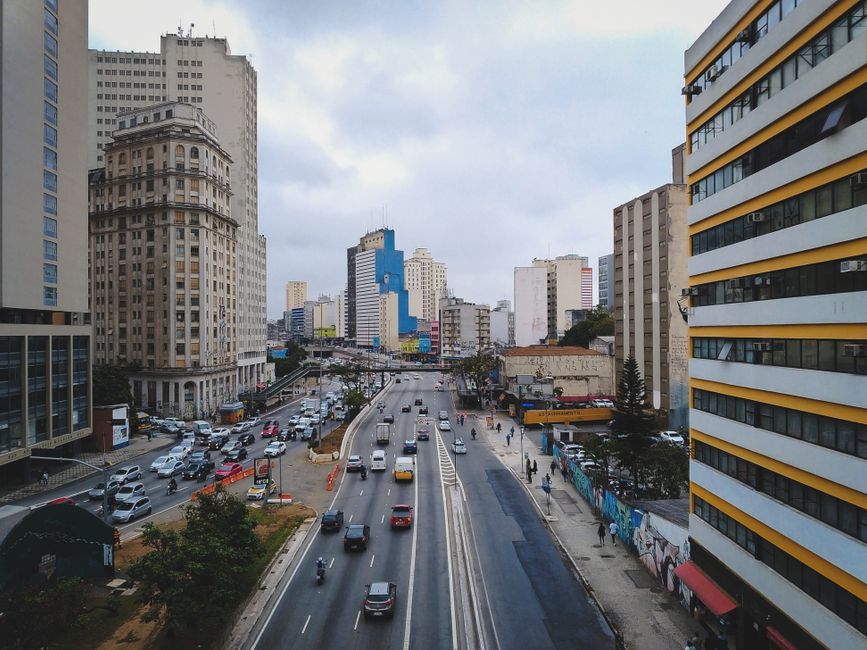
São Paulo offers an incredible array of experiences for visitors seeking authentic Brazilian culture, world-class art, and vibrant street life. Whether you're planning your first visit or returning to explore deeper, this guide covers the best things to do São Paulo with practical tips and insider recommendations.
São Paulo's museum scene rivals major European cities. The MASP (Museu de Arte de São Paulo) on Avenida Paulista is iconic, featuring Brazilian modernist works and international masterpieces. Entry costs around R$45, with free admission on Sundays. Plan 2-3 hours minimum for meaningful exploration.
The Pinacoteca do Estado in Luz district houses Brazil's largest collection of national art across three buildings. The recently renovated Pinacoteca Luz is particularly impressive. Admission is R$30, and Thursdays offer free entry after 6 PM—perfect for evening cultural outings.
For contemporary art, Sesc Pompéia combines cultural programming with a functioning leisure center. This architectural landmark by Lina Bo Bardi offers rotating exhibitions, workshops, and stunning views from the upper decks. Admission is just R$20.
Each neighborhood reveals distinct São Paulo character. Vila Madalena attracts visitors with colorful street art, bohemian cafés, and independent boutiques. Explore Rua Mourato Coelho on weekends when street vendors and performers activate the pedestrian areas.
Liberdade, the Japanese quarter, surprises with traditional restaurants, bookstores, and the vibrant Sunday street fair on Rua Galvão Bueno. Sample fresh taiyaki (fish-cakes) and okonomiyaki from street vendors—authentic and affordable.
Pinheiros and Vila Mariana offer upscale dining, galleries, and designer boutiques. For bohemian vibes mixed with sophistication, Vila Leopoldina delivers industrial-chic spaces converted into galleries, restaurants, and creative hubs.
Centro Histórico demands dedicated exploration. The Theatro Municipal, Mercadão, and Pátio do Colégio reveal colonial São Paulo's foundations. Visit weekday mornings for authentic street life without weekend crowds.
São Paulo's food culture deserves substantial time allocation. Mercadão Central offers sensory overload—tropical fruits, fresh seafood, and traditional products. Grab lunch at one of the upstairs restaurants for superior value compared to neighboring establishments.
For street food authenticity, visit Rua 25 de Março during daytime hours. This commercial thoroughfare transforms into a gastronomic corridor with vendors selling pastel, coxinha, and traditional sweets.
Bom Retiro specializes in Middle Eastern cuisine. Rua 25 de Março and surrounding streets pack restaurants offering exceptional kibbeh and hummus at minimal prices. Go hungry and ready to queue.
Fine dining concentrates in Jardins and Vila Mariana. Reservations essential for acclaimed establishments. For casual excellence, explore Vila Madalena's beer culture and gastropubs serving elevated comfort food.
Ibirapuera Park remains São Paulo's lungs—a 158-hectare sanctuary featuring museums, landscaped gardens, and weekend markets. Free entry encourages multiple visits. Rent bicycles for R$15/hour to cover expansive areas efficiently.
Horto Florestal offers forest immersion just 30 minutes from Centro, with hiking trails, waterfalls, and native Atlantic Forest. Entry costs R$12. Visit weekdays for peaceful exploration versus weekend family crowds.
Parque da Juventude in Zona Norte surprises visitors with excellent infrastructure, lake access, and cultural events. Less touristy than Ibirapuera, it authentically reflects local recreation patterns.
June in São Paulo brings the Festa de São João celebrations throughout the city, featuring traditional food stalls, outdoor parties, and fireworks. This is peak season with pleasant temperatures around 20-25°C, though June 2026 falls early-mid-winter in Australian terms—São Paulo's tropical climate means winter is mild and dry.
São Paulo Fashion Week (August) transforms the city, though hotels surge in price. Bienal (odd years) showcases contemporary art. New Year's Eve celebrations concentrate at Ibirapuera and beachside neighborhoods.
For family visits, school holidays (July) bring theatrical productions, cinema festivals, and expanded museum hours. Book accommodations two weeks in advance during these periods.
Estação Ciência combines interactive science exhibits with planetarium shows in Portuguese (English subtitles available). Entry R$25 covers multiple hours of engagement for children ages 5+.
Zoo São Paulo houses over 3,000 animals across 90 hectares. Though controversial by modern standards, it remains popular and offers education-focused programming. Entry R$80 adults, R$40 children.
Passeio Público, São Paulo's oldest park, features playgrounds, a small zoo, and colonial-era trees. Free entry and centrally located make it convenient for families exploring Centro.
São Paulo rewards curious travelers willing to venture beyond obvious attractions. Embrace the city's pace, sample street food without hesitation, and engage with locals who proudly share their paulista identity.
For up-to-date recommendations on things to do São Paulo as conditions evolve, follow The Daily São Paulo for insider updates and practical travel journalism from Brazil's most dynamic metropolis.
This article was compiled by AI and screened before publishing. See our editorial standards.
How does this story make you feel?
Spread the word
About this article
Published by The Daily São Paulo
Daily brief
Free, in your inbox before 7am. Weekdays.
More in Community