Technology
São Paulo's Internet Boom Faces Activation Delays and Coverage Gaps
High internet penetration coexists with delays in activation, identification requirements and uneven mobile coverage that continue to shape daily connectivity for residents.
How we reported this
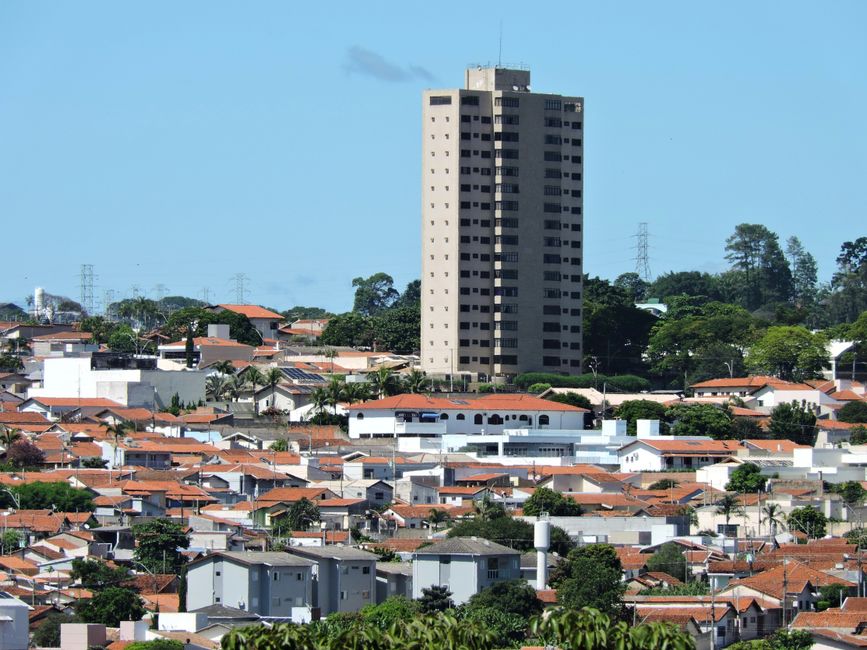
São Paulo reports 80% 4G coverage and 56% 5G coverage alongside 10 fixed broadband and 15 mobile operators active as of July 2026. These figures sit next to market concentration where Vivo holds 49.1% of fixed broadband and Claro holds 39.7% of mobile subscriptions. The combination shows both expanded reach and remaining gaps that affect reliability for households and businesses.
Why connectivity patterns matter now
Internet access supports work, education and public services across the city. With 90% of homes connected as of 2023, the remaining share without service and the 16% that depend only on mobile connections face constraints when fixed lines are unavailable or during periods of congestion. Fixed broadband median speeds reached approximately 183.56 Mb/s in early 2025 while mobile median speeds stood at about 80.97 Mb/s, yet these averages do not erase differences between neighbourhoods or between users on different networks.
Practical limits on the ground
Three-hundred Mbps fibre plans cost between $15 and $30 per month, yet activation can require one to two weeks and a valid CPF. Vivo reports an average fixed download speed of 171.1 Mb/s under its current customer base. These details illustrate that price alone does not determine how quickly residents can begin using service or whether every household can meet the documentation step.
Questions that remain open
Market shares held by two large operators raise questions about choice and pricing pressure over time. Partial 5G coverage at 56% means some areas still rely on older mobile technology. The requirement for a CPF during signup can create barriers for residents without formal tax registration. These factors sit beside the reported 74% of homes using fixed broadband and the availability of multiple operators.
Residents weighing plans can compare current median speeds published for fixed and mobile services and confirm activation timelines directly with providers. Checking coverage maps for specific addresses remains the clearest next step before committing to a contract.
References Sourced but Not Limited to:
- radardatelecom.com · Sao paulo sp
- en.wikipedia.org · Internet in Brazil
- tiinside.com.br · Study reveals that around 90% of homes in São Paulo have access to the...
- techinbrazil.com · Internet service providers in brazil
- latamtravellers.com · Wifi internet prices in brazil what travelers actually pay 2026
- gsma.com · Brazils internet is getting faster and accessible 5g is on the horizon
- computerweekly.com · Brazils broadband boom lessons for the Global South