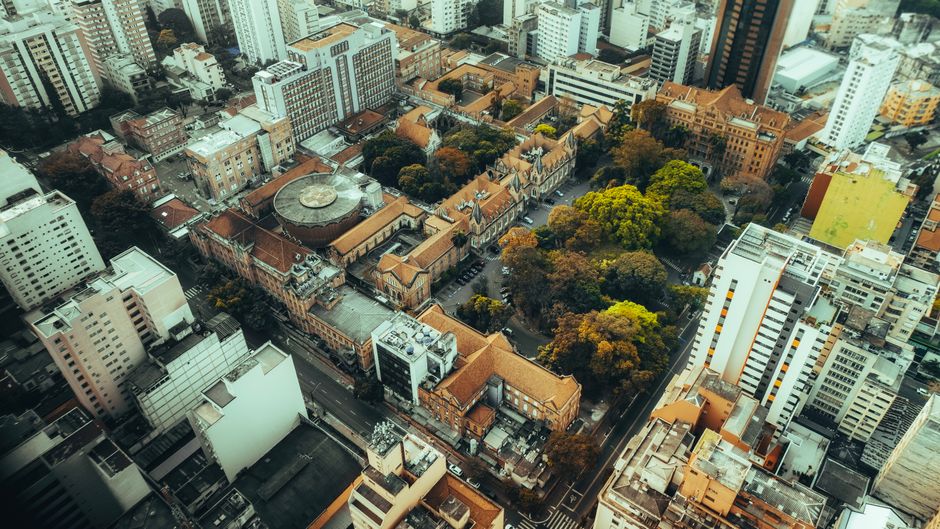
On Avenida Paulista, where traffic congestion once stretched for kilometres during rush hour, something quietly revolutionary is happening. An interconnected system of sensors and artificial intelligence now manages traffic lights across 800 intersections in the city centre, reducing average commute times by 18 minutes—a figure that translates to roughly 40 hours saved annually for the typical commuter.
This is São Paulo's smart city transformation in action, and its effects are rippling through neighbourhoods from Pinheiros to Vila Mariana, fundamentally altering how residents navigate, pay for services, and consume energy.
The Centro de Controle de Tráfego (CCT), operated by the São Paulo Companhia de Engenharia de Tráfego, now processes real-time data from thousands of connected devices. The system learns traffic patterns, adjusts signal timing dynamically, and alerts residents through mobile apps before congestion becomes critical. For commuters relying on buses and cars to cross the city's sprawling 1,521 square kilometres, the impact is tangible.
Beyond traffic, digital infrastructure is transforming municipal services. The Prefeitura's integrated payment platform now covers parking, tolls, and public transport across the city's metro, bus, and train networks. A resident moving through Bom Retiro, Cambuci, or Tatuapé can tap their phone once for multiple services—eliminating the bureaucratic friction that once characterised São Paulo life.
Energy consumption, a critical concern for a megacity where cooling costs soar during brutal summers, is being managed through smart grid technology. Buildings across Zona Oeste are now equipped with real-time monitoring systems that identify consumption anomalies and optimize energy distribution. Preliminary data from the municipal energy authority shows participating residential areas have reduced electricity consumption by 12-15%.
For safety, cameras integrated with AI-powered analytics across major thoroughfares like Avenida Brasil and Rua 25 de Março are improving emergency response times. The system flags accidents, identifies congestion patterns, and alerts authorities in near-real time, helping police and medical teams reach incidents faster.
Yet challenges remain. Digital inclusion lags in periphery zones, where internet access and smartphone penetration haven't reached the city centre's density. The Prefeitura estimates that roughly 2.3 million residents in outlying areas have limited access to these platforms.
Still, São Paulo's embrace of smart city technology represents a pragmatic bet that data-driven governance can solve age-old urban problems. For millions navigating the city daily, the transformation is less about ideology and more about gaining back time, safety, and financial breathing room in one of the world's most demanding metropolitan environments.
This article was compiled by AI and screened before publishing. See our editorial standards.