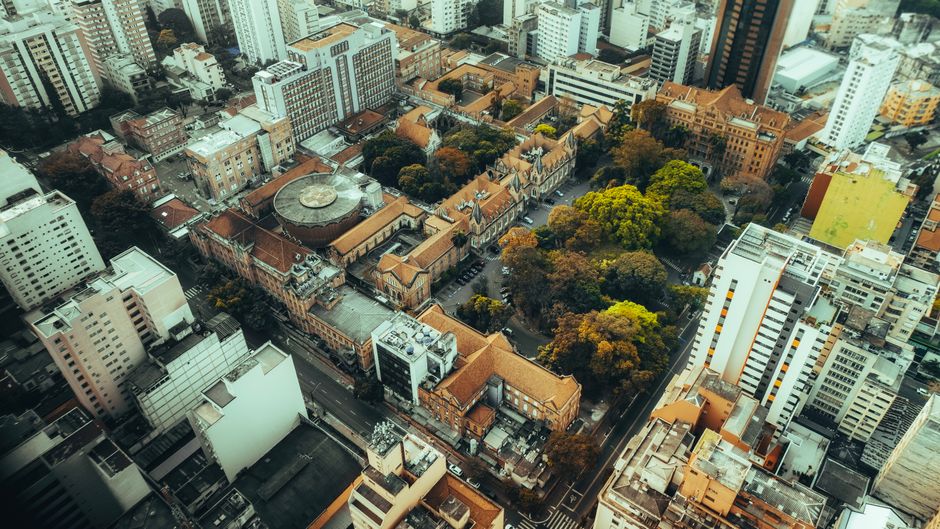
São Paulo's Tech Scene Accelerates as Startups Navigate Global Volatility
With venture funding returning to the city's innovation corridors, local entrepreneurs are building climate-tech and fintech solutions that catch international attention.
With venture funding returning to the city's innovation corridors, local entrepreneurs are building climate-tech and fintech solutions that catch international attention.
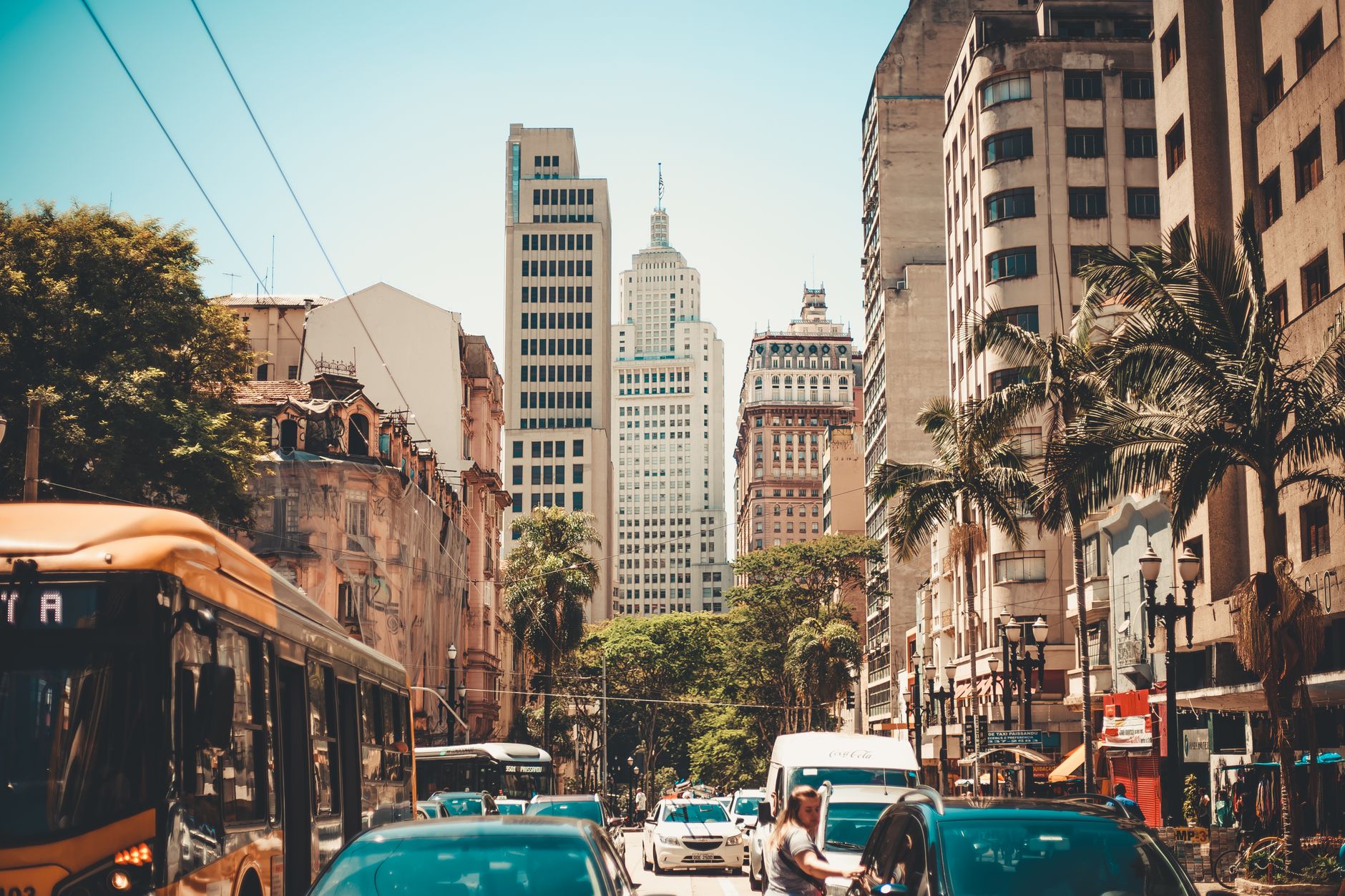
The streets around Avenida Paulista are buzzing again. After a cautious 2025, São Paulo's startup ecosystem is showing renewed momentum, with accelerators filling up and co-working spaces in Vila Mariana and Pinheiros reporting record occupancy rates. The shift reflects a broader recalibration: local founders are betting on solving regional problems with global reach, rather than chasing international trends.
Venture capital deployment in the city hit $380 million in the first half of 2026, a 34% increase from the same period last year, according to preliminary data from São Paulo's Innovation and Entrepreneurship Association. The rebound is being driven by a handful of sectors. Climate technology and sustainable agriculture startups—leveraging Brazil's agricultural expertise—are attracting significant attention from European and Asian investors. Meanwhile, fintech companies focused on informal-economy inclusion continue to thrive, with several unicorn-track startups headquartered in the city's tech neighbourhoods.
The Hub Inovação, located in the historic Centro district near Largo do Ouvidor, has become a focal point. The space hosts over 120 active startups and has become a preferred meeting point for international delegations exploring Brazilian innovation. Nearby, the Berrini corridor—long São Paulo's banking and corporate heartland—is rapidly transforming into a hub for deep-tech ventures, with several former office buildings converting into innovation labs.
Not everything is straightforward. Founders report that while domestic capital is flowing, the global uncertainty—reflected in recent geopolitical tensions and currency volatility—has made longer-term planning difficult. Several promising Series A rounds have been delayed. Talent, too, remains competitive, with major international tech firms recruiting aggressively from local talent pools.
Still, there's a distinctly local confidence emerging. Rather than waiting for perfect conditions or international validation, São Paulo's tech entrepreneurs are moving fast. One promising sign: cross-sector collaboration between tech startups and established agricultural and financial institutions is becoming normalized, a shift that was rare five years ago. These partnerships are generating hybrid solutions—combining agritech with blockchain, for instance—that didn't exist before.
The city's position as Latin America's largest financial and business centre, combined with proximity to thriving startup communities in Rio and Belo Horizonte, creates natural advantages. As global investment patterns shift, São Paulo is increasingly seen not as a mirror of Silicon Valley, but as a distinct innovation centre with its own character and opportunities.
This article was compiled by AI and screened before publishing. See our editorial standards.
How does this story make you feel?
Spread the word
About this article
Published by The Daily São Paulo
Daily brief
Free, in your inbox before 7am. Weekdays.
More in tech