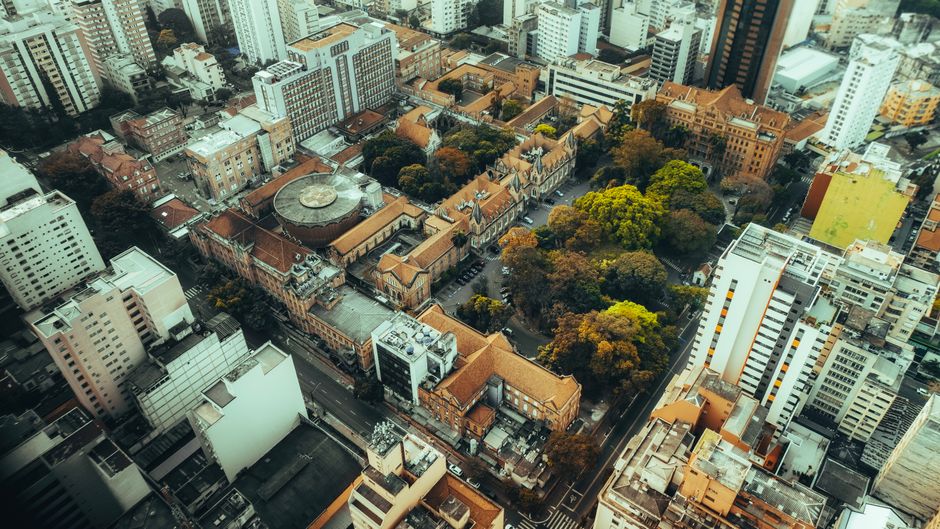
The transformation of São Paulo's commercial real estate landscape has accelerated dramatically over the past 18 months, driven by an unprecedented wave of venture capital and private equity investment in the coworking and remote work infrastructure sector. What began as a niche offering in Vila Madalena and Pinheiros has evolved into a multi-billion-real market reshaping how the city's knowledge workers operate.
The numbers tell a compelling story. Major coworking operators have collectively raised more than R$2.8 billion in fresh funding since early 2025, with significant portions earmarked for São Paulo expansion. Monthly membership rates across established coworking spaces in neighbourhoods like Consolação and Vila Mariana now range from R$800 to R$2,500, reflecting both premium positioning and growing demand from tech startups, multinational subsidiaries, and autonomous professionals fleeing traditional office environments.
Investment firms backing this shift point to São Paulo's 12 million residents, robust tech ecosystem, and increasing adoption of hybrid work models. The city now hosts approximately 180 active coworking spaces—a 340 percent increase since 2020—according to industry trackers. Properties in Itaim Bibi and Brooklin have seen valuations climb 25-30 percent as landlords recognize the premium rents flexible workspace operators can command.
What distinguishes the current moment is the strategic nature of the capital flowing in. Rather than treating coworking as standalone businesses, institutional investors view these spaces as foundational infrastructure for São Paulo's broader digital economy. Funding rounds increasingly emphasize technology integration—from AI-powered booking systems to community management platforms—positioning these spaces as digitally native environments for the remote-first generation.
The broader implications extend beyond real estate metrics. This capital influx has sparked infrastructure improvements in secondary neighbourhoods, with developers now targeting areas along the Marginal Pinheiros and towards Santo Amaro, previously overlooked for office investment. Corporate flight from traditional business districts like Avenida Paulista has begun accelerating, forcing legacy property holders to confront fundamental questions about future viability.
Yet challenges persist. Rising operational costs, macroeconomic volatility, and the risk of oversupply in certain micromarkets have tempered some investor enthusiasm. Several well-funded operators have consolidated or exited since late 2025, suggesting the market is entering a maturation phase where only well-capitalized, strategically positioned players will thrive.
As São Paulo's remote work infrastructure solidifies, the city is positioning itself as a global exemplar of workplace innovation—a shift directly enabled by the capital markets' growing conviction that distributed work is permanent.
This article was compiled by AI and screened before publishing. See our editorial standards.