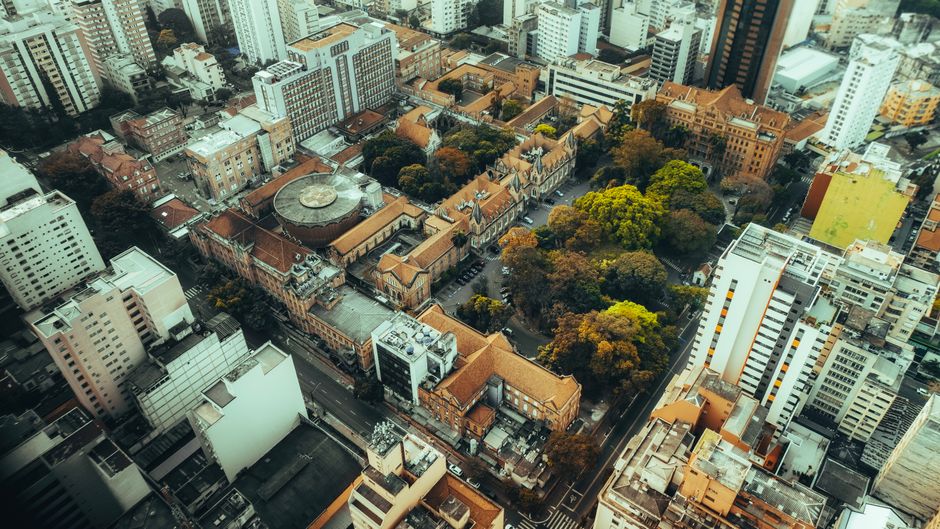
São Paulo Startup Deploys AI to Transform Brazil's Remote Work Landscape
FlexiHub's new platform is reshaping the coworking landscape across Vila Mariana and beyond, automating workspace allocation for the city's booming distributed workforce.
FlexiHub's new platform is reshaping the coworking landscape across Vila Mariana and beyond, automating workspace allocation for the city's booming distributed workforce.
Listen to this article · 4:00
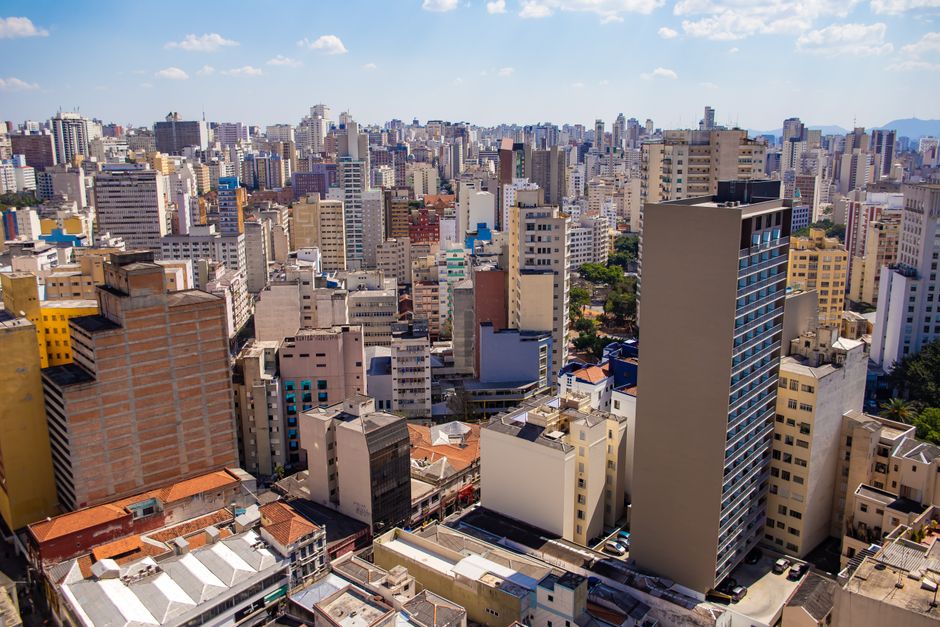
When Mariana Costa founded FlexiHub in early 2025, São Paulo's coworking sector was fragmented. Dozens of spaces dotted neighbourhoods like Vila Mariana, Pinheiros, and Itaim Bibi, but no unified system existed to help remote workers—or the companies employing them—navigate availability, pricing, or workspace culture. Today, as of mid-2026, the startup has become the innovation worth watching for anyone tracking Brazil's future of work.
FlexiHub uses machine learning to match professionals with coworking environments based on productivity metrics, commute patterns, and team collaboration needs. The platform aggregates data from over 180 partner spaces across São Paulo's metro area, from budget-friendly hubs in Brás charging R$800 per month to premium facilities in Higienópolis at R$3,500. Users input their working preferences—noise levels, meeting room frequency, café quality—and the algorithm recommends optimal locations.
The numbers speak for themselves. Since launch, FlexiHub has facilitated over 45,000 workspace bookings, with an average user retention rate of 71% after three months. Corporate clients including mid-sized fintech firms and advertising agencies now use it to manage distributed teams across multiple locations, reducing overhead while maintaining flexibility.
What sets FlexiHub apart amid global competition from WeWork alternatives and other tech-enabled coworking platforms is its hyperlocal focus. The startup employs local data scientists and urban planners who understand São Paulo's unique geography—the city's notorious traffic on the Imigrantes and Anchieta highways shapes commute patterns, influencing where workers prefer to base themselves. The platform factors in metro accessibility, parking availability, and neighbourhood safety ratings, concerns distinctly relevant to São Paulo professionals.
The broader context matters. Brazil's remote work population grew 34% between 2023 and 2025, according to industry surveys. Companies seeking flexible real estate solutions without long-term commitments now prefer platforms enabling day-to-day or weekly arrangements. FlexiHub's revenue model—taking a 15% commission on bookings—positions it as infrastructure for this transition rather than a landlord competing with traditional property owners.
Industry observers note challenges remain. Regulatory clarity around flexible workspace taxation and insurance remains murky in São Paulo. Competition from established players is intensifying. Yet FlexiHub's recent R$8 million Series A funding round suggests investor confidence in the model's scalability across other Brazilian cities.
For São Paulo's remote workforce and the companies navigating post-pandemic work dynamics, FlexiHub represents something increasingly essential: intelligent infrastructure matching workers to spaces in a city too large and complex for guesswork.
This article was compiled by AI and screened before publishing. See our editorial standards.
How does this story make you feel?
Spread the word
About this article
Published by The Daily São Paulo
Daily brief
Free, in your inbox before 7am. Weekdays.
More in tech