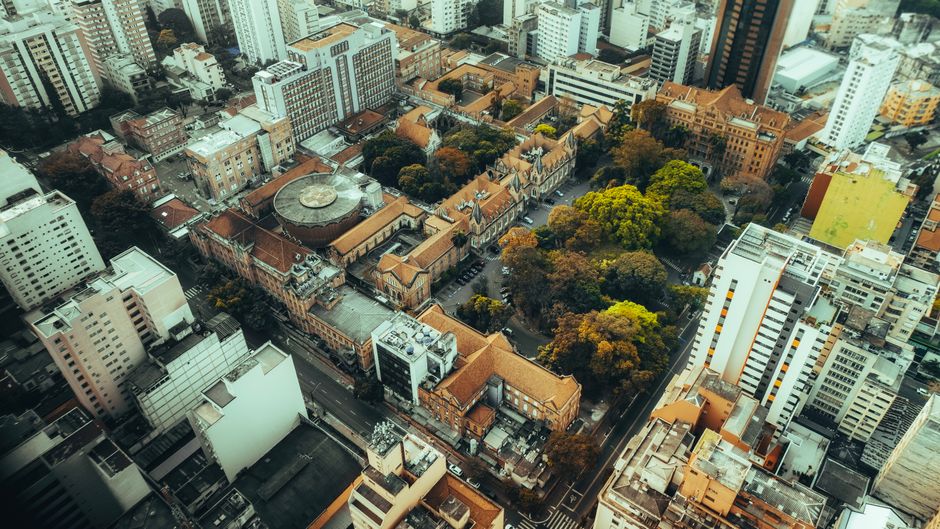
Tech Investment Reshapes São Paulo's Infrastructure as Funding Surges
Venture capital flooding into govtech startups is accelerating digital transformation across Brazil's largest city, with funding reaching unprecedented levels in 2026.
Venture capital flooding into govtech startups is accelerating digital transformation across Brazil's largest city, with funding reaching unprecedented levels in 2026.
Listen to this article · 3:49
São Paulo's transformation into a smart city hub has accelerated dramatically, driven by a surge in venture capital investment that shows no signs of slowing. Over the past 18 months, govtech and urban tech startups operating across the city have attracted more than $340 million in funding, according to data from local venture capital firms tracking the sector.
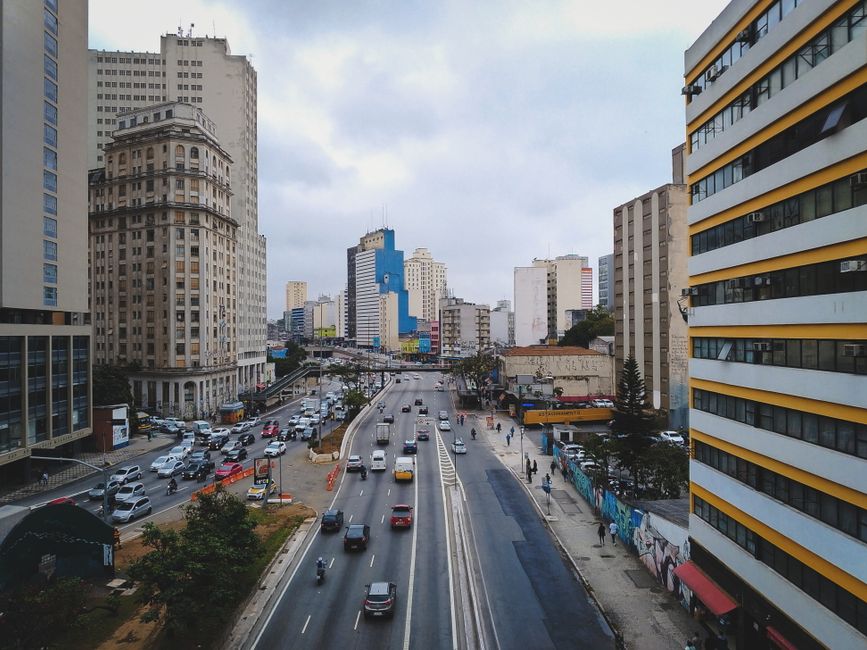
The momentum reflects a broader shift in how Latin America's largest metropolis approaches chronic infrastructure challenges. From traffic congestion on the Marginal Pinheiros expressway to water distribution across sprawling favelas, city administrators are increasingly turning to digital solutions—and investors are betting heavily on their success.
"We're seeing institutional capital arrive at a scale we've never witnessed before," says the leadership team at Distrito, the innovation hub based in Vila Mariana that has become a nexus for govtech founders and corporate partners. The district, once known primarily as a residential neighbourhood, now hosts dozens of startups tackling urban challenges from air quality monitoring to intelligent traffic management systems.
Major Brazilian banks and international firms like Telefônica and Natura &Co have established dedicated innovation labs in the city's tech corridor, particularly around Av. Paulista and the emerging hub near Pinheiros station. These corporate accelerators have injected capital and strategic partnerships that smaller startups desperately need to scale municipal deployments.
The São Paulo municipal government itself has become a more sophisticated buyer of technology. The city's recent procurement of an integrated mobility platform—valued at approximately R$85 million—signals confidence in local tech capability and has opened doors for subsequent contracts worth hundreds of millions more across departments handling everything from environmental monitoring to citizen services.
Real estate values in tech-focused neighbourhoods reflect investor confidence. Commercial spaces in Vila Madalena and Pinheiros have appreciated 22% over two years, driven partly by demand from expanding govtech companies seeking proximity to both talent pools and city administrators based downtown.
Yet challenges remain. Regulatory frameworks governing data privacy and municipal procurement lag behind investor appetite. Integration across fragmented city agencies moves slowly. And competition from São Paulo's established finance and advertising sectors continues to draw talent away from civic tech roles.
Still, the numbers suggest momentum is real. Early-stage govtech funding in São Paulo has tripled since 2023, while the ecosystem now supports more than 180 active companies. As Brazil's federal government emphasizes digital transformation as an economic priority, São Paulo's position as a testbed for urban technology solutions has never been stronger—or better funded.
This article was compiled by AI and screened before publishing. See our editorial standards.
How does this story make you feel?
Spread the word
About this article
Published by The Daily São Paulo
Daily brief
Free, in your inbox before 7am. Weekdays.
More in tech