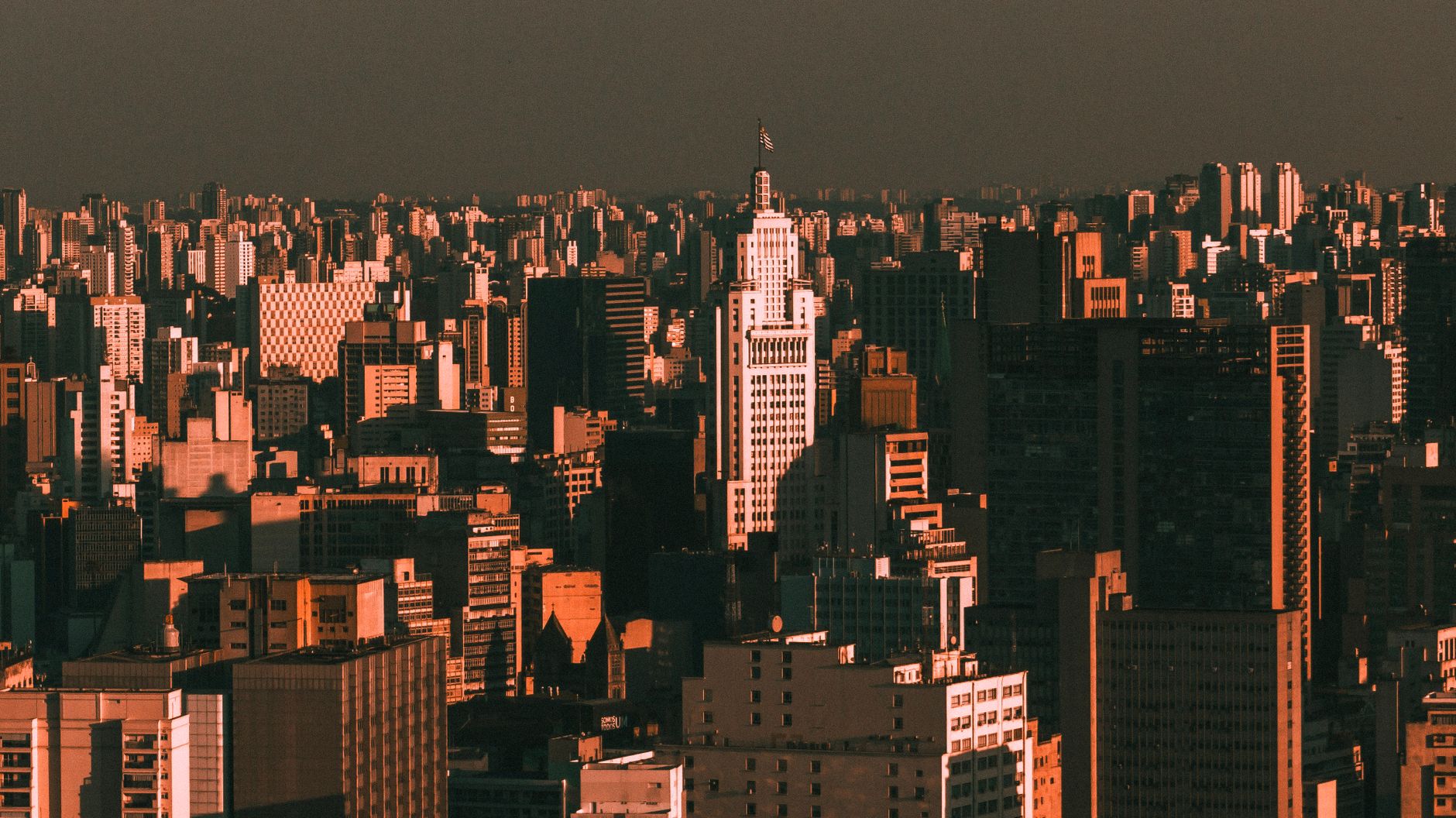
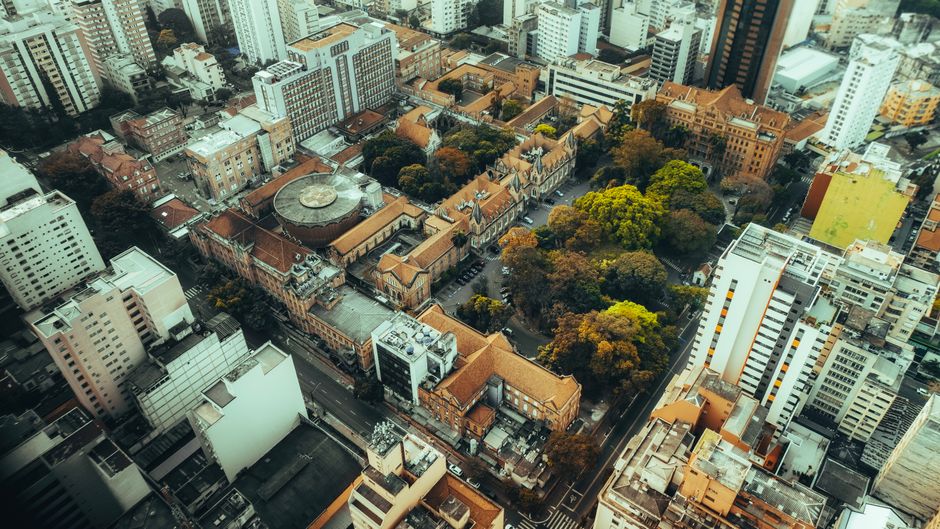
On a Wednesday morning in Vila Mariana, residents of a converted 1970s residential tower are noticing something unexpected on their electricity bills. The 80-unit building installed rooftop solar panels eighteen months ago, and monthly charges have dropped by an average of 32 percent. What began as an environmental initiative has become a practical reality that's changed how people think about energy consumption in one of São Paulo's most established middle-class districts.
This shift is happening across the city. According to data from Brazil's National Electric Energy Agency, residential solar installations in the São Paulo metropolitan region grew 156 percent between 2023 and 2025. The economics have become compelling: a typical installation that cost R$45,000 five years ago now runs R$28,000, with government incentives reducing the effective burden further.
The transformation extends beyond rooftops. In Pinheiros, the introduction of electric buses on routes connecting the neighbourhood to Avenida Paulista and the Consolação district has altered commuting patterns. The SPTRANS fleet now includes over 1,200 electric vehicles, representing roughly 18 percent of the bus network. Residents report quieter streets, reduced air pollution, and—counterintuitively—more predictable scheduling, since electric buses require less unplanned maintenance than diesel counterparts.
Waste management has also shifted tangibly. The recycling initiative coordinated through the Associação de Catadores Organizados de São Paulo, now enhanced by sorting technologies powered by renewable energy, has created employment while processing materials more efficiently. Neighbourhoods like Tatuapé and Penha have seen collection points expand from single to triple locations within eighteen months.
Yet the transition isn't seamless everywhere. Apartment dwellers in older buildings throughout the Zona Leste still struggle to access renewable energy options due to structural limitations and upfront costs. Public transportation improvements remain uneven—while wealthier districts benefit from upgraded electric bus routes, peripheral areas wait longer for infrastructure upgrades.
What's striking is how green technology has moved from environmental conversation into economic necessity. A real estate agent in Higienópolis reports that buildings with solar infrastructure now command price premiums of 8-12 percent. Energy independence has become a selling point alongside location and architectural heritage.
For most São Paulo residents, the shift isn't ideological. It's practical—lower bills, cleaner air, reliable infrastructure. The technology that seemed aspirational three years ago has become the baseline expectation for a growing portion of the city navigating daily life in 2026.
This article was compiled by AI and screened before publishing. See our editorial standards.