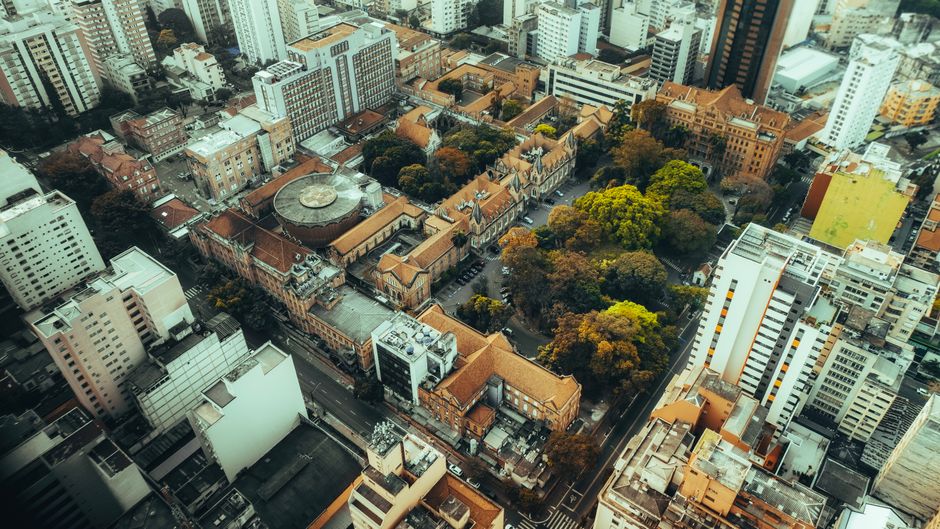
São Paulo Fintechs Solve Problems Wall Street Never Anticipated
As global capital flows chase cryptocurrency and digital wallets, this city's financial innovators are solving problems Wall Street never saw coming.
As global capital flows chase cryptocurrency and digital wallets, this city's financial innovators are solving problems Wall Street never saw coming.
Listen to this article · 3:42
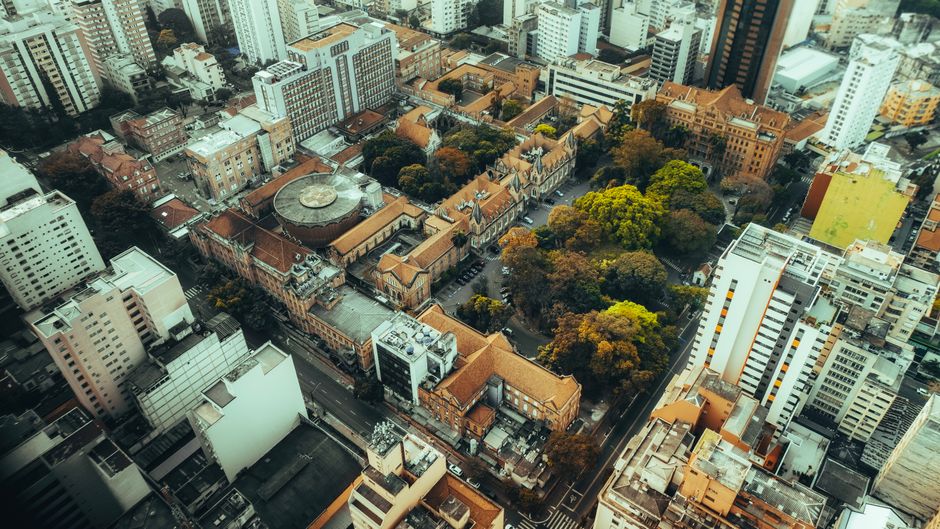
Walk through Vila Mariana on any weekday and you'll see the real laboratory of São Paulo's fintech revolution: a street vendor negotiating payment on a smartphone, a delivery driver checking their balance through an app that charges no monthly fees, a small business owner in the Bom Retiro textile district managing cash flow across three digital platforms simultaneously.
This is where São Paulo's tech ecosystem diverges sharply from Silicon Valley's playbook. While global fintech capitals obsess over high-frequency trading and blockchain speculation—sectors that have enriched fewer than a few thousand people worldwide—São Paulo's most disruptive companies are solving the quotidian financial problems of 22 million metropolitan residents and 215 million Brazilians still locked out of traditional banking.
The numbers tell the story. Brazil's unbanked population sits around 35 million people, yet fintech adoption here has grown at roughly 45 percent annually over the past three years, outpacing most developed economies. Companies headquartered in the Jardins district and around Avenida Paulista have built payment solutions that work in favelas where broadband is spotty, in small towns where the nearest bank branch is 50 kilometers away, and in informal markets where traditional credit scoring means nothing.
This grounded innovation creates a distinctive competitive advantage. When a São Paulo fintech scales, it's battle-tested against real-world friction—unreliable infrastructure, deep financial distrust, regulatory uncertainty. A startup that survives the complexities of operating across Brazil's 27 states doesn't sweat the operational challenges of expanding to Mexico City or Lagos.
The ecosystem also benefits from São Paulo's position as Latin America's undisputed financial hub. The city hosts regional headquarters for every major international bank, creating a talent pool of financial professionals who understand both global standards and local realities. Recruitment agencies along Rua Augusta regularly field offers from fintech founders seeking former Itaú and Bradesco employees who can navigate regulatory frameworks while building for markets overlooked by incumbents.
Yet the city's fintech advantage remains fragile. Brazil's interest rates—hovering around 10.5 percent—and persistent inflation create a different competitive dynamic than stable, low-rate economies. Regulatory changes from Brasília cascade immediately through São Paulo's startup scene. And while global venture capital increasingly funds Brazilian fintechs, the capital hasn't always flowed toward the most socially impactful companies.
The distinction ultimately lies in this: São Paulo's fintech leaders aren't building for the world's wealthiest consumers or chasing speculative bubbles. They're engineering solutions for a city—and a nation—where financial innovation means something measurably different than it does elsewhere.
This article was compiled by AI and screened before publishing. See our editorial standards.
How does this story make you feel?
Spread the word
About this article
Published by The Daily São Paulo
Daily brief
Free, in your inbox before 7am. Weekdays.
More in tech