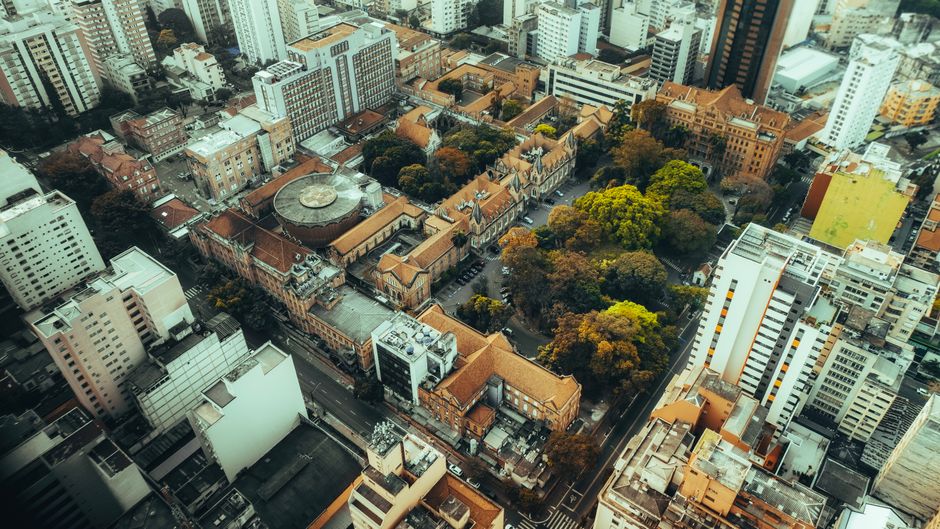
As remote work settles into its mature phase across Brazil's largest metropolitan area, São Paulo's coworking ecosystem is preparing for a significant inflection point. Industry operators are rolling out sophisticated product roadmaps designed to capture changing worker behavior—and the conversation in the city's most active innovation spaces reveals a sector preparing for fundamental transformation.
The shift began subtly last year, when major coworking providers noticed that daily occupancy rates in traditional office-style configurations plateaued around 55-60%, while demand for hybrid infrastructure—meeting rooms with integrated streaming capabilities, focus pods with noise isolation, wellness facilities—grew by 38% year-over-year. Now, developers are responding with specificity. Several players planning launches across Vila Mariana, Pinheiros, and the Vila Olímpia corridor are betting on AI-assisted dynamic pricing and real-time space allocation systems that adjust availability based on neighborhood demand patterns.
One particularly notable development is the emergence of hyperlocal "community anchor" facilities. Rather than sprawling megaspaces, operators are establishing smaller, neighborhood-embedded hubs designed to eliminate commute friction. These venues, targeting the 2.4 million São Paulo residents now working remotely at least two days weekly, combine coworking infrastructure with retail, dining, and cultural programming—essentially functioning as social and professional centers simultaneously.
The wellness dimension has become non-negotiable. Industry sources confirm that new-generation facilities launching in 2026 are allocating 18-22% of floorspace to meditation rooms, movement studios, and biometric monitoring stations—up from negligible percentages just three years ago. This reflects broader data showing that remote workers cite isolation and activity decline as primary pain points when considering office space engagement.
Pricing dynamics are also in flux. Traditional per-desk monthly subscriptions, historically hovering around R$1,200-R$1,800 in premium neighborhoods, are fragmenting into granular, hourly-based offerings. Flexible day passes now start at R$60-R$85, targeting the growing population of gig workers and freelancers who need occasional professional space without commitment.
Integration with São Paulo's existing transit infrastructure represents another frontier. Operators are in active partnership discussions with the Companhia do Metropolitano to embed coworking micro-facilities within strategic metro stations—Consolação, Brigadeiro, and Faria Lima are among sites under discussion—reducing commute calculus entirely.
The competitive intensity suggests these aren't incremental updates. For a city where remote work has reshaped both commercial real estate demand and worker expectations, the next 18 months will reveal whether the future of work means the end of traditional offices—or their evolution into something fundamentally different.
This article was compiled by AI and screened before publishing. See our editorial standards.