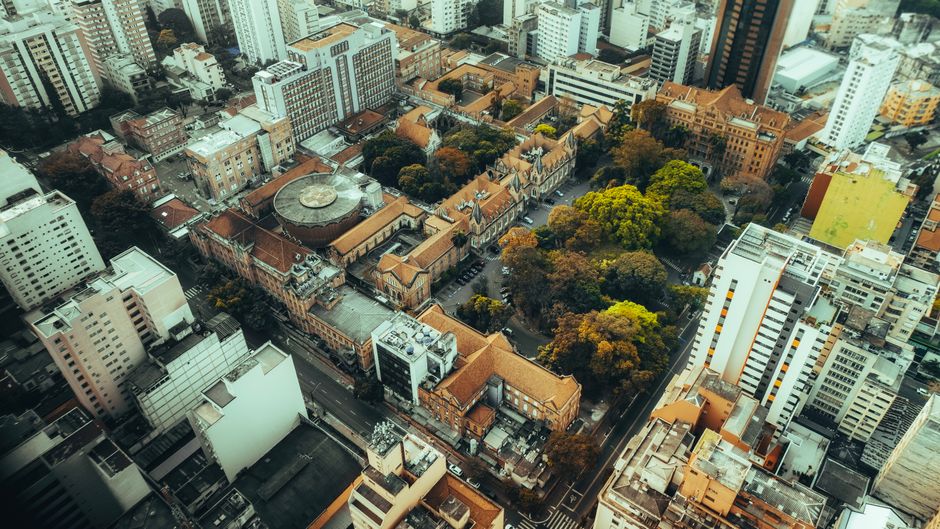
São Paulo's tech corridor is shifting gears. While the city remains synonymous with fintech and software development, a quiet revolution is unfolding in sustainability—one that promises to redefine how Brazil's largest metropolitan area generates, stores, and consumes energy over the next three to five years.
The momentum is unmistakable. According to recent data from the Brazilian Association of Solar Energy (ABSOLAR), São Paulo accounts for over 35% of Brazil's installed solar capacity. Yet the real growth story lies ahead, driven by emerging technologies rather than conventional rooftop installations.
In the Pinheiros neighbourhood, where tech incubators cluster near the Av. Brigadeiro Faria Lima corridor, several ventures are finalizing products targeting industrial energy management. One focus area involves AI-powered microgrids—systems that allow neighborhoods to balance renewable generation with demand in real time. These aren't theoretical concepts; pilot programs are expected to launch in Vila Madalena and parts of the Zona Sul by late 2026.
Battery storage represents another frontier. Currently, utility-scale lithium-ion systems cost approximately R$2,500 per kilowatt-hour in Brazil—a figure startups are determined to slash. Next-generation solid-state batteries, with potential 40% energy density improvements, are moving from laboratory phases toward commercialization. Two São Paulo-based firms have announced prototype tests at industrial facilities near the Imigrantes Highway corridor.
The green hydrogen sector, still nascent in Brazil, is accelerating. Companies are developing electrolyzers tailored to the region's abundant hydroelectric surplus—a counterintuitive advantage that could position São Paulo as a hydrogen production hub. Commercial-scale pilots are scheduled for the ABC region (industrial belt) beginning in early 2027.
Building-integrated photovoltaics (BIPV)—solar panels embedded into facade materials—represent the most visible near-term transformation. Several architecture firms headquartered in Vila Olímpia are integrating BIPV into regeneration projects for aging commercial towers in the Avenida Paulista precinct, with installations beginning this quarter.
Yet challenges persist. Regulatory frameworks, while improving, still lag behind deployment timelines. Grid integration costs and supply chain bottlenecks tied to global semiconductor shortages continue to pressure timelines and margins.
What remains clear: São Paulo's next chapter won't be written by fintech alone. The city's capital, talent, and infrastructure are converging on clean energy innovation in ways that could accelerate Brazil's energy transition—and create entirely new market categories before 2030.
This article was compiled by AI and screened before publishing. See our editorial standards.