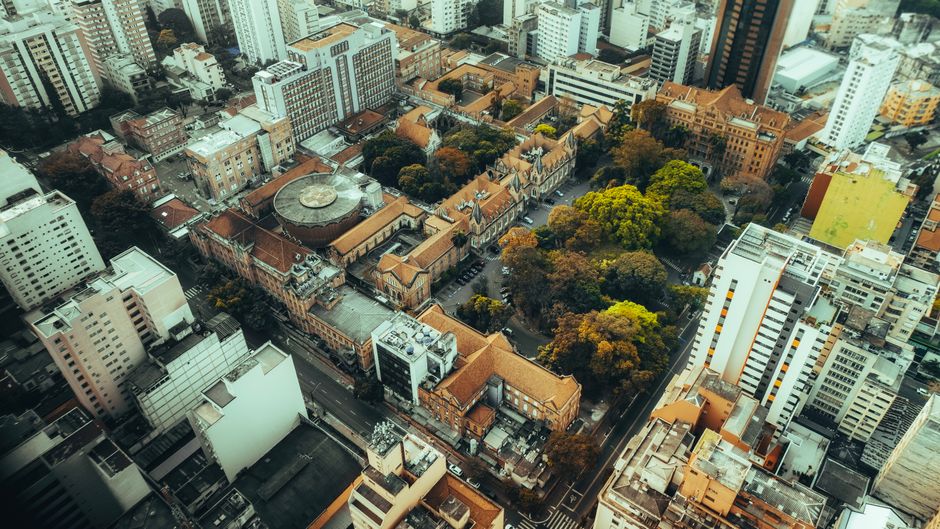
The transformation is visible on the streets of Vila Madalena and around Avenida Paulista, where gleaming office spaces that once housed traditional financial services now pulse with the energy of machine learning engineers, data scientists, and venture capitalists betting billions on artificial intelligence. São Paulo's emergence as a global AI investment destination represents a dramatic shift in how Brazilian businesses are evolving—and where capital flows in the region.
Recent funding rounds tell the story. Between January 2025 and June 2026, AI-focused startups in São Paulo secured approximately $820 million in venture capital, according to data from local venture networks and industry trackers. This represents a 340% increase compared to the same period three years ago, when the city attracted roughly $240 million in AI-related investments. Companies developing everything from natural language processing tools for Portuguese-language markets to computer vision systems for retail and agriculture are drawing attention from both Brazilian and international investors.
The momentum is reshaping entire business sectors. Traditional retailers along Rua 25 de Março and in the Bom Retiro district are experimenting with AI-driven inventory management and customer analytics platforms developed by local firms. Manufacturing operations in the industrial zones of São Caetano do Sul are implementing predictive maintenance systems. Even the agricultural sector—historically São Paulo state's economic backbone—is increasingly adopting AI solutions for crop monitoring and yield optimization developed by startups with headquarters in the Pinheiros neighbourhood.
What distinguishes São Paulo's AI investment story from earlier tech booms is the sophistication of both founders and funders. Unlike the social media and fintech waves that dominated the previous decade, today's AI entrepreneurs often hold PhDs from USP and Unicamp, while venture firms operating from offices near Jardim Paulista are increasingly specializing in deep tech rather than chasing consumer trends. Mid-market funding rounds of $15-50 million have become commonplace, suggesting maturation beyond early-stage experimentation.
The influx has created tangible economic effects. Real estate premiums for tech-equipped office space in premium locations have risen 22% year-over-year. Salaries for AI specialists have surged 35% since 2024, with senior machine learning engineers commanding salaries competitive with Silicon Valley roles. Accelerator programs and innovation hubs operating across the city report rejection rates above 95%, indicating serious competition for resources and mentorship.
Yet challenges remain. Brain drain continues as some founders relocate to Miami or San Francisco for larger markets. Access to computing infrastructure and specialized talent outside São Paulo's core remains limited. Still, with major international tech firms establishing R&D centers in the city and government institutions slowly recognizing AI's strategic importance, São Paulo's investment trajectory suggests the city has genuinely moved beyond hype into sustainable growth.
This article was compiled by AI and screened before publishing. See our editorial standards.