Why São Paulo's Green Tech Scene Stands Apart in the Global Innovation Race
The city's unique blend of megacity pressures, tropical climate challenges, and entrepreneurial density is reshaping how the world tackles clean energy.
The city's unique blend of megacity pressures, tropical climate challenges, and entrepreneurial density is reshaping how the world tackles clean energy.
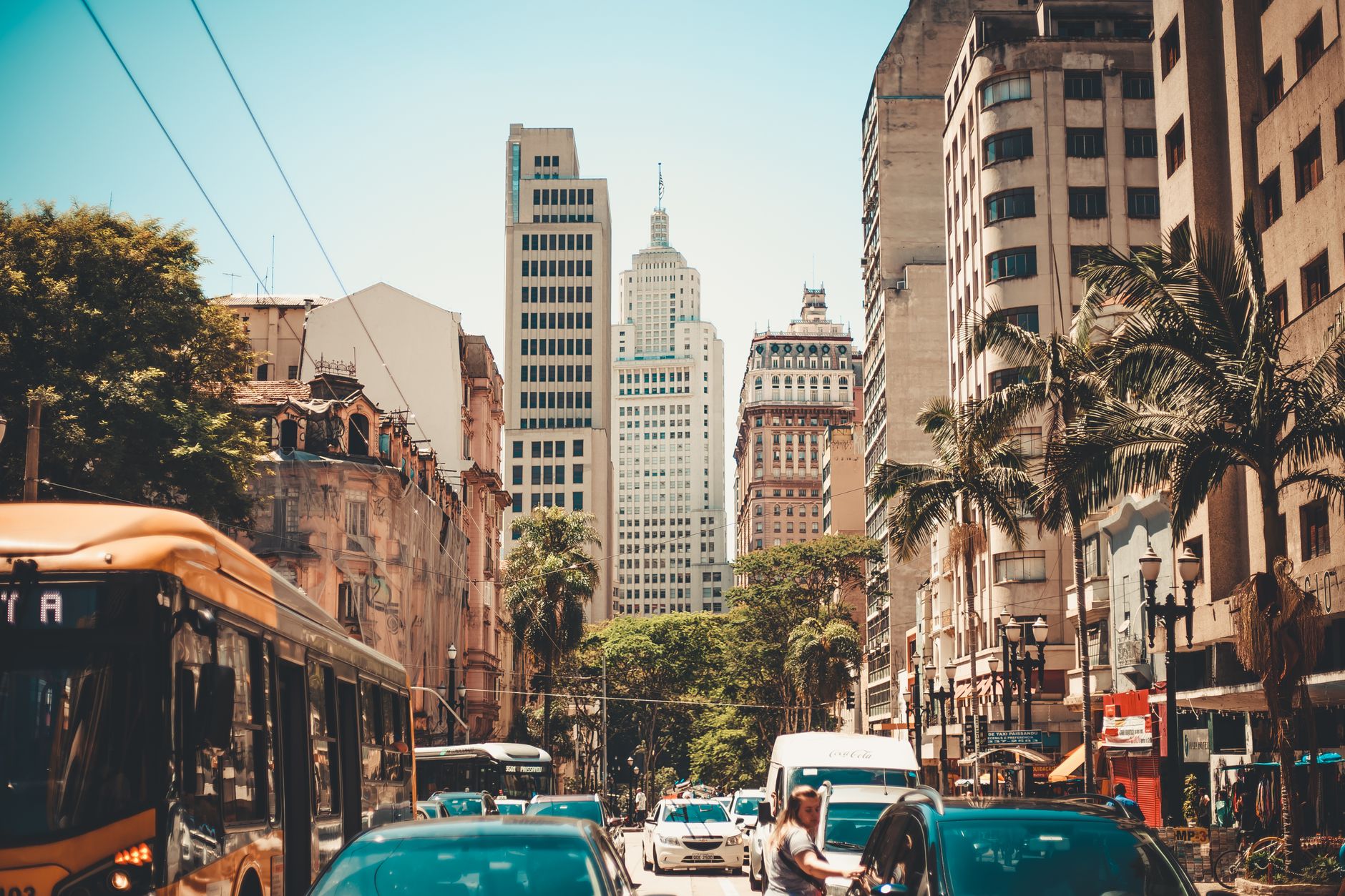
São Paulo's cleantech ecosystem has quietly become one of the world's most distinctive, not because it mirrors Silicon Valley or Shenzhen, but because it solves problems no other major tech hub faces at the same scale or urgency.
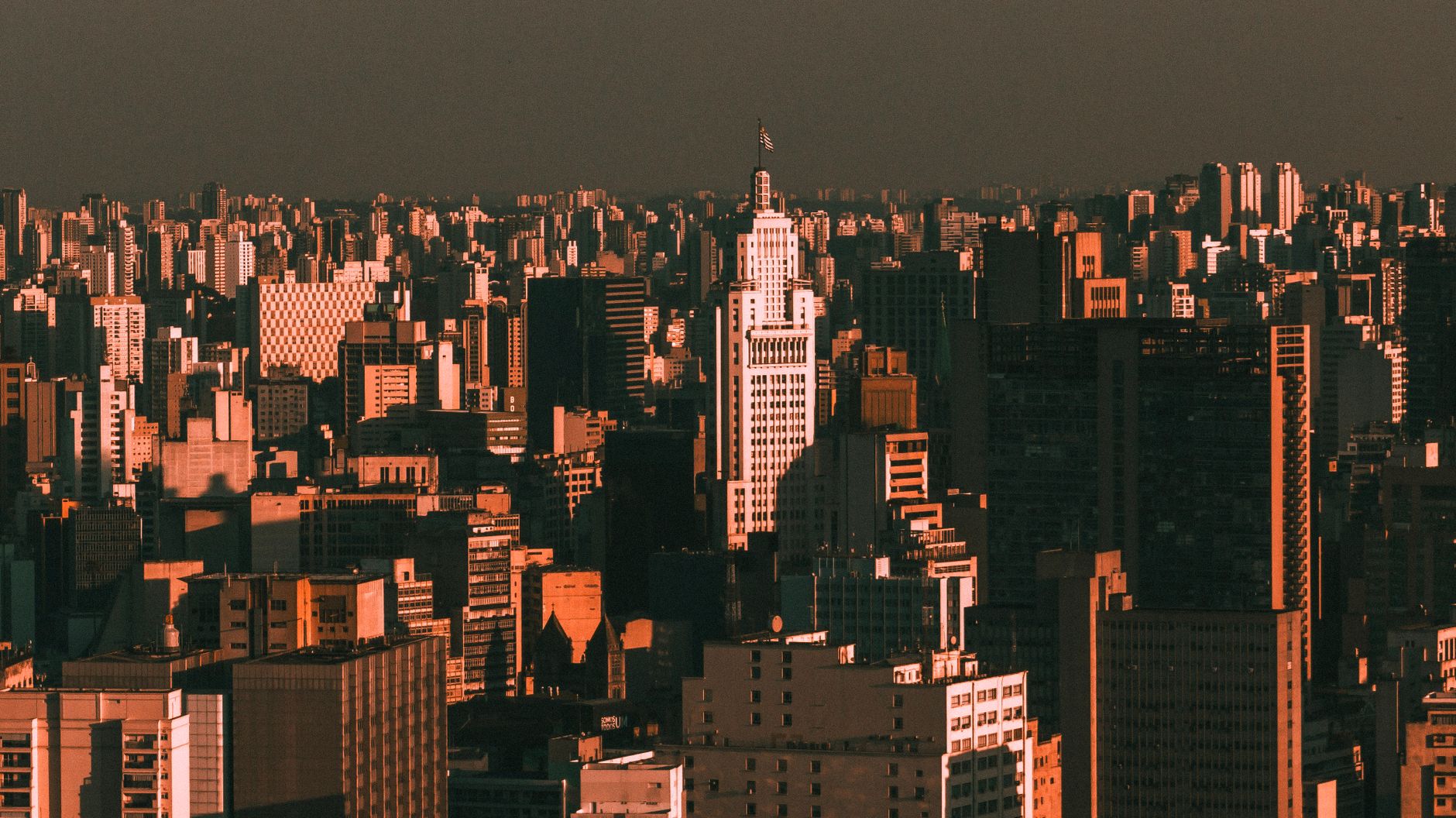
The numbers tell part of the story. According to a 2025 report by the São Paulo Chamber of Commerce, cleantech startups in the city have attracted over R$4.2 billion in venture capital over the past three years—a 340% increase from the previous cycle. Yet what truly distinguishes the ecosystem isn't the capital flow; it's the problem set. A megacity of 12 million people, sprawling across 1,500 square kilometres, with tropical rainy seasons that overwhelm aging infrastructure, creates laboratories for climate adaptation that nowhere else quite replicates.
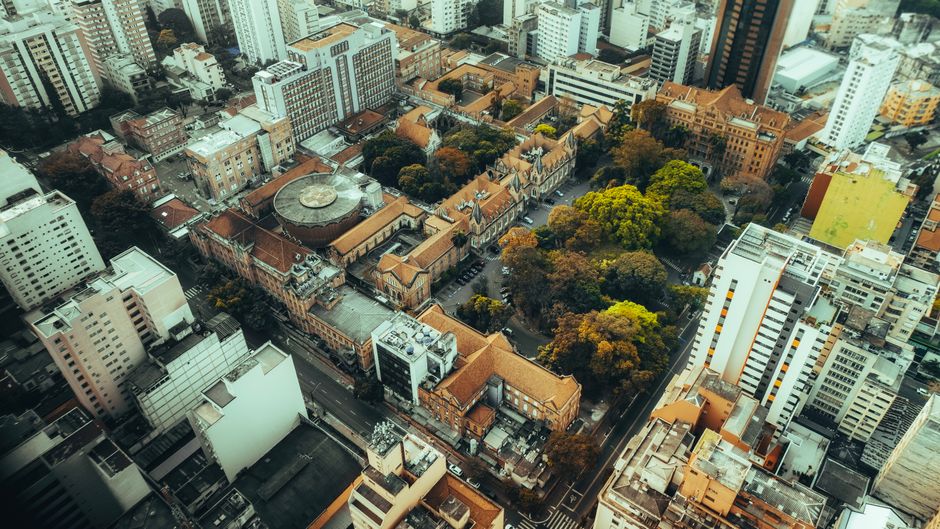
Walk through Pinheiros and Vila Mariana, where much of the tech concentration clusters alongside traditional business districts, and you'll find companies tackling urban flooding prediction using AI, precision agriculture for peri-urban farms, and battery recycling for Brazil's growing EV transition. StartSe, the local innovation hub near Avenida Paulista, reports that sustainability-focused founders now represent 43% of their cohort—the highest proportion among major Brazilian tech hubs.
This local urgency drives global relevance. When a company engineers flood-resilient infrastructure or develops microgrids for favelas with 90% energy poverty rates, those solutions travel. São Paulo's water crisis between 2014 and 2018 catalysed an entire generation of hydro-tech entrepreneurs. Today, those innovations are being deployed in water-stressed cities from Cape Town to Mumbai.
The ecosystem's other distinctive feature is its integration with Brazil's agricultural heartland. Unlike coastal tech cities, São Paulo sits adjacent to the world's largest soybean and sugarcane regions. This proximity has spawned a particular breed of agritech cleantech hybrid—companies optimising fertiliser use, developing precision irrigation, and processing biomass waste. Companies like those incubated at IQUSP's innovation labs leverage both urban engineering expertise and rural-sector relationships.
There's friction, certainly. Access to capital outside São Paulo remains constrained, and regulatory frameworks lag startup velocity. Yet these constraints have forced São Paulo's cleantech founders toward pragmatism—building for real emerging-market conditions rather than idealised first-world scenarios. A solar installation startup that works in favelas learns to engineer for precarious grid conditions and informal tenure arrangements in ways their counterparts in wealthy cities never must.
As global capital increasingly recognises that climate solutions must work at scale in middle-income megacities, São Paulo's ecosystem—shaped by its specific density, climate, and development challenges—is becoming harder to ignore. The city isn't adopting global cleantech trends; it's generating them.
This article was compiled by AI and screened before publishing. See our editorial standards.
How does this story make you feel?
Spread the word
About this article
Published by The Daily São Paulo
Daily brief
Free, in your inbox before 7am. Weekdays.
More in tech