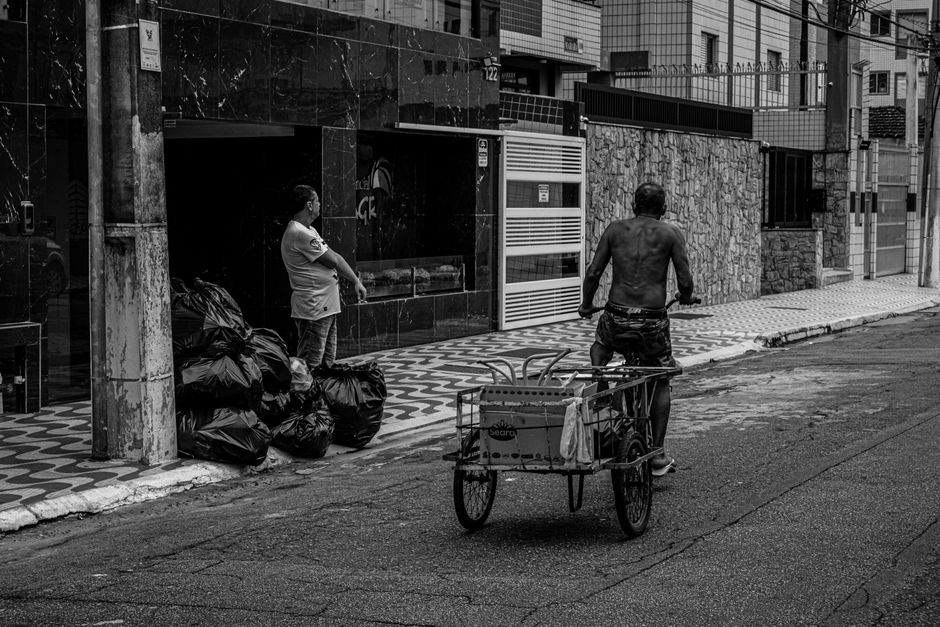
Walk through Vila Madalena on any weekday morning, and you'll see the infrastructure of São Paulo's venture-backed revolution. The neighbourhood, once known primarily for street art and nightlife, has become ground zero for startups addressing the practical frustrations of urban life in a city of 12 million people.
The numbers tell the story. São Paulo attracted $2.1 billion in venture capital funding in 2025, cementing its position as Latin America's leading tech hub. But unlike the headline-grabbing billion-dollar exits, the real impact is happening at street level—in the delivery app reducing commute stress, the fintech making credit accessible to informal workers, and the logistics platform helping small businesses compete with larger rivals.
Consider mobility. For residents navigating São Paulo's notorious traffic on the Marginal Pinheiros or battling crowded metros, venture-backed startups have become indispensable. Last-mile delivery solutions funded by major VC firms have slashed wait times from hours to minutes, while micromobility companies have planted scooters and bikes across neighbourhoods from Pinheiros to Santo Amaro. The average commuter now has options unimaginable five years ago.
The impact extends to food security. In Zona Leste, where access to fresh produce has historically been limited, venture-funded agritech platforms are connecting small farmers directly to residents, reducing prices by up to 30 per cent compared to traditional markets. A family in Itaquera that once paid R$15 for a kilogram of tomatoes now pays R$10, courtesy of algorithms that optimise supply chains.
Financial inclusion represents another frontier. For the estimated 40 million Brazilians in the informal economy—street vendors in Rua 25 de Março, domestic workers, gig drivers—venture-backed fintech companies are providing credit, insurance, and savings tools previously reserved for the formally employed. The shift is gradual but measurable in neighbourhood economies across the city.
Safety technology, funded by both local and international VCs, is embedding itself into urban infrastructure. Building access systems, neighbourhood watch apps, and workplace security solutions are becoming standard, particularly in areas like Brooklin and Vila Olímpia where corporate headquarters cluster.
Yet this transformation isn't without tension. As venture capital flows into São Paulo, rent pressures are intensifying in traditionally affordable neighbourhoods. The democratisation of technology must confront the reality that not all residents benefit equally from Silicon Valley's investment thesis.
For now, though, millions of São Paulo residents are experiencing the tangible benefits: faster deliveries, cheaper food, easier credit, safer streets. The startup ecosystem's promise isn't measured in exit valuations—it's measured in daily convenience for the city that never stops moving.
This article was compiled by AI from the sources linked above and screened before publishing. See our editorial standards.