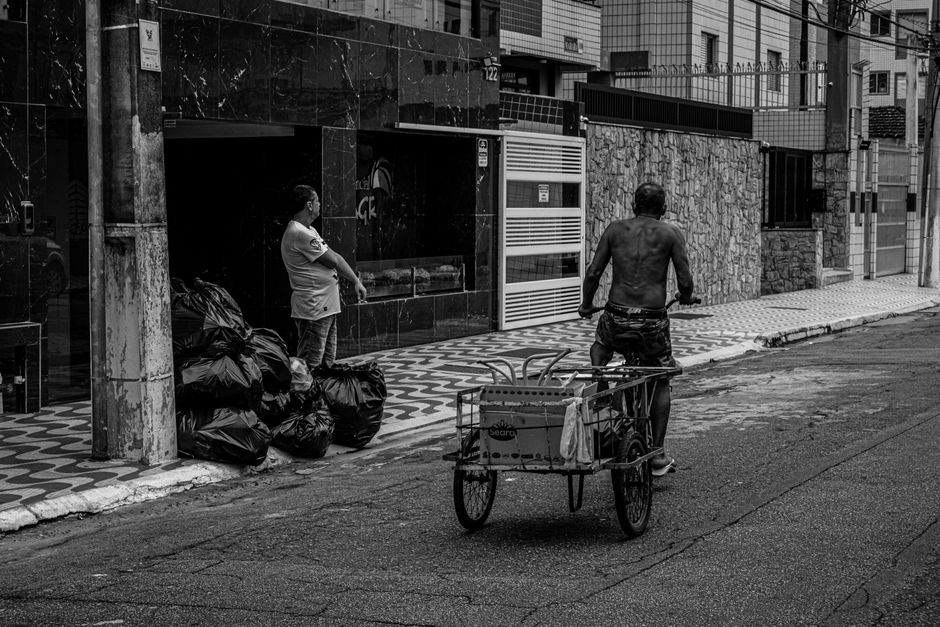
Walk through the commercial corridors of Rua 25 de Março on any weekday morning, and you'll see the problem TrocaCard set out to solve: thousands of small vendors, delivery workers, and informal traders operating almost entirely in cash, locked out of traditional banking infrastructure and vulnerable to theft, counterfeiting, and financial exclusion.
Founded in 2023 and now headquartered in a refurbished warehouse in Vila Mariana, TrocaCard has built a prepaid ecosystem specifically designed for Brazil's informal economy. The company issued its millionth card in March 2026—a milestone that signals a seismic shift in how financial services reach the country's estimated 38 million informal workers.
What makes TrocaCard different isn't revolutionary technology; it's relentless focus on local pain points. The platform allows street vendors, motorcycle couriers, and freelancers to load funds via cash deposits at over 12,000 partner locations—including pharmacies, convenience stores, and markets across São Paulo's outer zones—without requiring a traditional bank account or formal employment history. Users pay a 1.5 percent fee per transaction, compared to the 3-4 percent charged by competing services.
The company has built partnerships with major logistics networks operating in the Zona Leste and Zona Sul, enabling real-time settlement for delivery workers. More significantly, TrocaCard's API now integrates with approximately 340 small merchant platforms operating in São Paulo, from market apps to street-food ordering systems.
By June 2026, TrocaCard had processed an estimated R$2.8 billion in transactions—still modest compared to Brazil's traditional banking sector, but growing at 18 percent month-over-month. The startup has raised R$140 million in Series B funding, backed by investors including Kinea Ventures and Singapore-based Jungle Ventures.
What's capturing institutional attention is adoption velocity in neighborhoods like Itaquera, Sapopemba, and Campo Limpo, where traditional bank branches remain scarce. TrocaCard's data shows average user wallet balance has grown from R$340 in early 2025 to R$890 today—suggesting workers are storing value, not just conducting transactions.
Established banks have taken notice. Bradesco and Itaú have both quietly invested in competing informal-focused products over the past twelve months, signaling that fintech innovation in this sector has become strategically essential rather than niche.
For São Paulo's tech ecosystem, TrocaCard represents something increasingly rare: a startup solving a massive, local problem at scale. The company's success or failure will likely determine whether Brazil's financial inclusion gains are sustainable—or merely performative.
This article was compiled by AI from the sources linked above and screened before publishing. See our editorial standards.