São Paulo's municipal administration is preparing to roll out five major government technology initiatives over the next 18 months, marking the most ambitious phase of the city's digital transformation since the launch of its integrated traffic management system in 2019.
The centerpiece of the new roadmap is an AI-powered flood prediction platform targeting the Zona Leste, where neighbourhoods like Itaquera and São Miguel Paulista experience seasonal inundation. The system will integrate real-time rainfall data with IoT sensors installed across 12 micro-watersheds, allowing authorities to issue warnings 48 hours in advance. City officials have allocated 47 million reais for the three-year implementation, with beta testing beginning in the Pinheiros river basin by Q3 2026.
A second priority involves overhauling the public health booking system that serves the city's 434 basic health units. The new platform, built on cloud infrastructure, will eliminate the notorious queues that characterise locations like the UBS Vila Mariana on Avenida Paulista. Integration with municipal databases will reduce appointment confirmation time from two weeks to 24 hours and enable telemedicine consultations for non-emergency consultations.
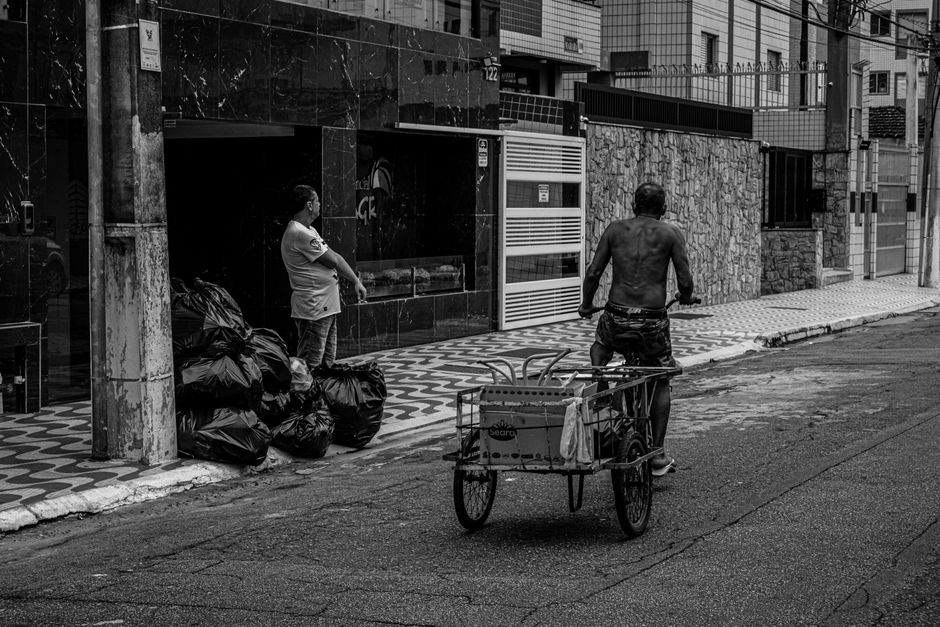
The administration is also piloting an autonomous waste collection pilot in Pinheiros and Vila Madalena, using electric vehicles equipped with computer vision to identify recycling contamination in real time. The 15-million-real initiative aims to reduce landfill diversion costs and address São Paulo's growing e-waste problem.
A fourth project involves connecting all 3,000 municipal street lights to a central IoT network that will adjust brightness based on pedestrian movement and weather conditions. The energy efficiency gains are projected to save the city 12 million reais annually while improving safety in historically under-lit areas like the favelas surrounding Tatuapé.
Finally, the city is launching a participatory budgeting platform that integrates blockchain verification, allowing residents across all 32 subprefeituras to vote directly on infrastructure spending in their neighbourhood. The system will debut with a 300-million-real public works budget allocation, marking the largest participatory investment in São Paulo's history.
These initiatives reflect growing confidence among city administrators that digital solutions can address São Paulo's structural challenges—congestion costs the city an estimated 200 billion reais annually in lost productivity. Yet implementation hurdles remain significant. Legacy systems across municipal departments operate on incompatible architectures, and cybersecurity remains a persistent vulnerability in Brazilian civic infrastructure.
Tech leaders and municipal officials will present detailed specifications for all five projects at the São Paulo Tech Summit in August 2026.
This article was compiled by AI from the sources linked above and screened before publishing. See our editorial standards.