São Paulo's Green Energy Boom Masks Growing Ethical Fault Lines
As the city embraces solar panels and electric buses, industry experts warn that rapid sustainability adoption risks repeating the extraction and inequality patterns it aims to escape.
As the city embraces solar panels and electric buses, industry experts warn that rapid sustainability adoption risks repeating the extraction and inequality patterns it aims to escape.
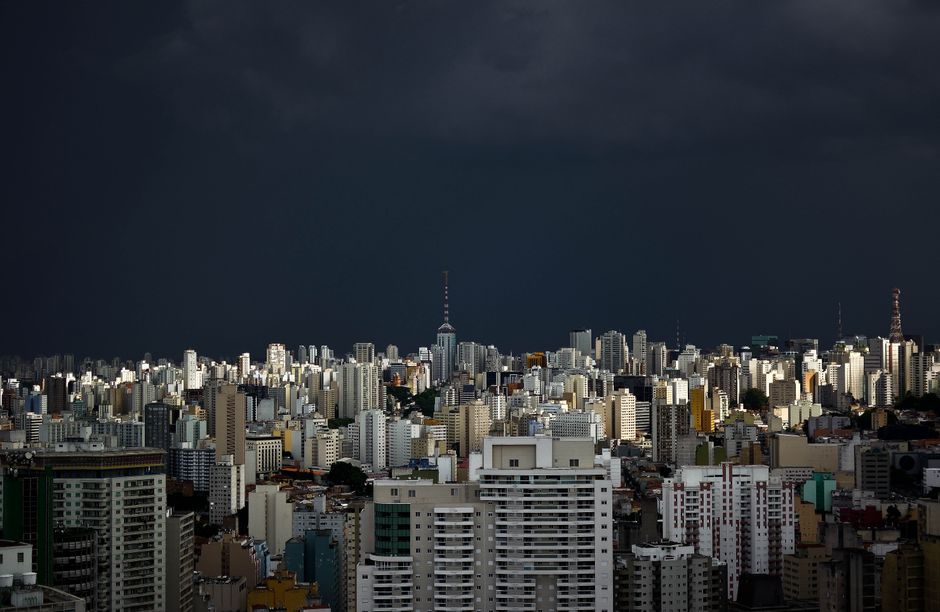
Walk through Pinheiros or Vila Mariana today, and you'll see gleaming rooftop solar installations on nearly every corporate building. São Paulo's clean energy sector has exploded—solar capacity installations grew 340% between 2022 and 2025, according to municipal data—yet beneath this green veneer lies a troubling reality that tech leaders and policymakers are only beginning to confront.
The promise is undeniable. The city's target to reach 50% renewable energy by 2030 represents genuine climate ambition in Latin America's largest metropolitan region. The introduction of electric buses on major routes like Avenida Paulista has reduced particulate pollution in central zones. Investment in green startups around the Berrini corridor has created thousands of jobs.
But the human cost tells a different story. Lithium extraction for battery production, concentrated in Bolivia and Chile, devastates Indigenous water supplies in the Andean regions that fuel São Paulo's e-mobility revolution. A report by the São Paulo-based Institute for Environmental Research revealed that 67% of rare earth mineral mining for solar panels occurs in regions with documented labour rights violations. Meanwhile, the R$45,000 price tag for residential solar installation remains inaccessible to the city's 9 million residents in favelas and periphery neighbourhoods, widening the sustainability gap between wealthy and poor areas.
"We're creating a two-tier climate future," says research emerging from the Federal University of ABC, in Santo André. Communities in the industrial belt south of São Paulo—already burdened by decades of chemical and steel pollution—are now targeted for wind and biomass infrastructure, often without meaningful consultation. The Imigrantes Highway corridor has seen seven proposed large-scale renewable projects in the past eighteen months, concentrated near working-class municipalities.
Corporate greenwashing compounds the problem. Several multinational tech firms operating from Morumbi have publicised ambitious sustainability pledges while outsourcing manufacturing to regions with minimal environmental oversight. Local NGOs operating from offices near Largo da Batata have documented supply chain violations that contradict public messaging.
The ethical questions are unavoidable: Who benefits from the clean energy transition? Who bears its environmental burden? How do we ensure that solving climate crisis doesn't reproduce colonial extraction patterns under a green label?
São Paulo stands at a crossroads. Genuine sustainability requires confronting these contradictions directly—not celebrating solar installations while ignoring the geopolitical and social inequalities embedded in their production. The city's tech sector must move beyond metrics and embrace accountability.
This article was compiled by AI from the sources linked above and screened before publishing. See our editorial standards.
How does this story make you feel?
Spread the word
About this article
Published by The Daily São Paulo
Daily brief
Free, in your inbox before 7am. Weekdays.
More in tech