São Paulo's transformation into a Latin American technology powerhouse has been nothing short of remarkable. The neighbourhoods of Vila Madalena, Pinheiros, and Zona Leste now host over 12,000 active startups, generating an estimated R$80 billion in annual revenue and attracting venture capital that rivals some European tech hubs. Yet beneath the gleaming co-working spaces and venture funding announcements lies a more complex reality: one where innovation's promise is shadowed by systemic risks that city leaders and entrepreneurs are only beginning to confront.
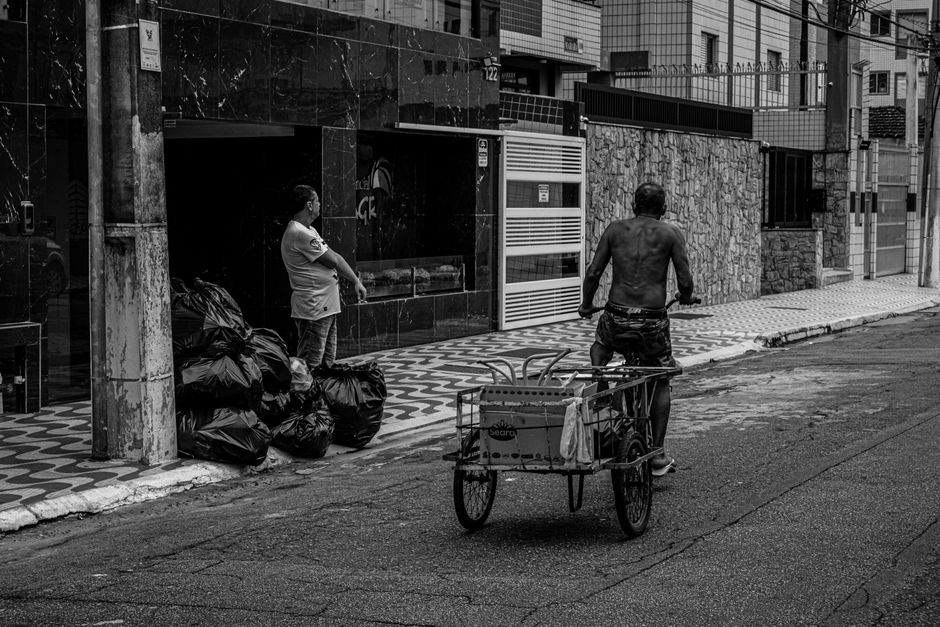
The numbers tell a seductive story. The São Paulo Tech Hub, centred around Avenida Paulista and the Pinheiros district, has created over 150,000 jobs since 2020. Companies like Nubank and 99 have achieved unicorn status, inspiring a new generation of founders. But this growth has exposed fractures in how technology integrates with São Paulo's already-stratified society. Data privacy breaches affecting fintech platforms have exposed millions of users' financial information. Gig economy apps operating from sleek offices in Vila Madalena have simultaneously eroded labour protections for delivery workers across the city's periphery, where average earnings hover around R$25 per hour with no benefits or job security.
The ethical questions intensify when examining algorithmic decision-making. Credit-scoring systems developed by São Paulo startups have been documented denying loans to low-income residents based on opaque criteria. Facial recognition technology proposed for public safety applications raises surveillance concerns that civil rights organisations warn could disproportionately target Black and brown communities already subject to over-policing in neighbourhoods like Capão Redondo and Campo Limpo.
Education disparities compound these challenges. While elite institutions like USP churn out talented engineers feeding into the startup ecosystem, public school students in peripheral zones struggle with basic digital literacy. The digital divide isn't merely about internet access—it's about who gets to build technology and who becomes its subject.
Industry leaders acknowledge these tensions increasingly. Tech associations based in the Berrini district have launched ethics committees and diversity initiatives. Yet implementation remains inconsistent. Without stronger regulation from municipal authorities and genuine accountability mechanisms, São Paulo risks building a technology sector that concentrates wealth among already-privileged populations while externalising social costs onto the city's most vulnerable residents.
The question facing São Paulo isn't whether innovation should continue—it's whether the city's tech community will genuinely address the human consequences of its ambitions, or whether the next decade will replicate Silicon Valley's pattern of transformative technology coupled with deepening inequality.
This article was compiled by AI from the sources linked above and screened before publishing. See our editorial standards.