SãoTech Mobility: The govtech startup rewriting São Paulo's traffic nightmare
A homegrown platform combining AI and real-time data is helping City Hall cut commute times by up to 18% across the Zona Leste.
A homegrown platform combining AI and real-time data is helping City Hall cut commute times by up to 18% across the Zona Leste.
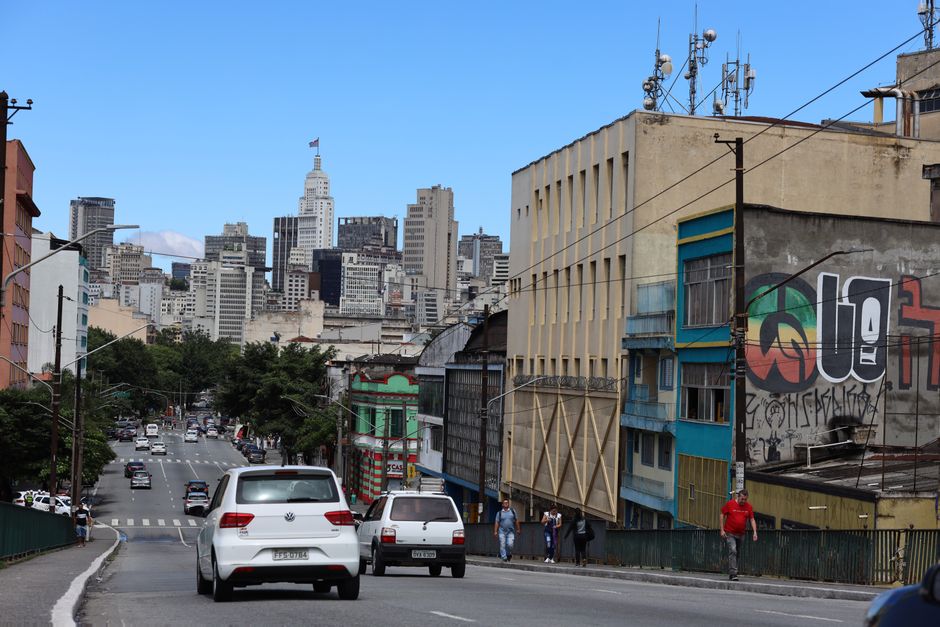
Deep in a converted warehouse in the Jaguaré neighbourhood, a team of 34 engineers and urban planners is quietly solving one of São Paulo's most visible crises: traffic congestion that costs the city an estimated 230 billion reais annually in lost productivity.
SãoTech Mobility, founded in 2023 by former Prefeitura de São Paulo analysts and Silicon Valley-trained developers, has just completed a six-month pilot across the Zona Leste that caught the attention of municipal transport officials. The results: a documented 18% reduction in average commute times on key corridors like Avenida Radial Leste and Rua 25 de Março, plus a 12% decrease in vehicle emissions during peak hours.
Unlike venture-backed mobility startups focused on micro-mobility or ride-sharing, SãoTech targets municipal infrastructure itself. The company's core platform integrates data from São Paulo's 15,000 traffic sensors, bus GPS trackers, and anonymized smartphone location data to generate hyperlocal traffic predictions 45 minutes ahead—feeding real-time recommendations to traffic engineers and automated signal adjustments across intersections.
"We're not trying to replace the city's decision-makers," explains the company's technical leadership in materials shared with journalists. "We're amplifying their capacity to respond intelligently." The platform costs participating municipalities roughly 2.8 million reais annually—a fraction of what congestion costs in lost economic output.
The Zona Leste pilot is now expanding to Centro and Pinheiros in Q3 2026, with São Paulo's transport secretariat (SMT) already budgeting for system-wide implementation by 2027. Competing vendors, including global players IBM and Siemens, have stronger brand recognition but significantly higher licensing costs and slower deployment timelines.
What sets SãoTech apart is obsessive local knowledge. The team studied São Paulo's informal transportation networks, bus driver behavior patterns, and how construction around Estação da Luz ripples across the entire northern corridor. That granularity matters when optimizing a city where informal economy workers depend on predictable commute times.
The startup has also become a rare example of São Paulo tech succeeding in govtech—historically a space dominated by foreign vendors or federal contractors. With Series A funding now live and interest from Rio de Janeiro's prefeitura, SãoTech represents a shift: Brazilian cities building their own digital infrastructure rather than importing solutions.
For a city drowning in traffic, homegrown efficiency might finally be arriving on schedule.
This article was compiled by AI from the sources linked above and screened before publishing. See our editorial standards.
How does this story make you feel?
Spread the word
About this article
Published by The Daily São Paulo
Daily brief
Free, in your inbox before 7am. Weekdays.
More in tech