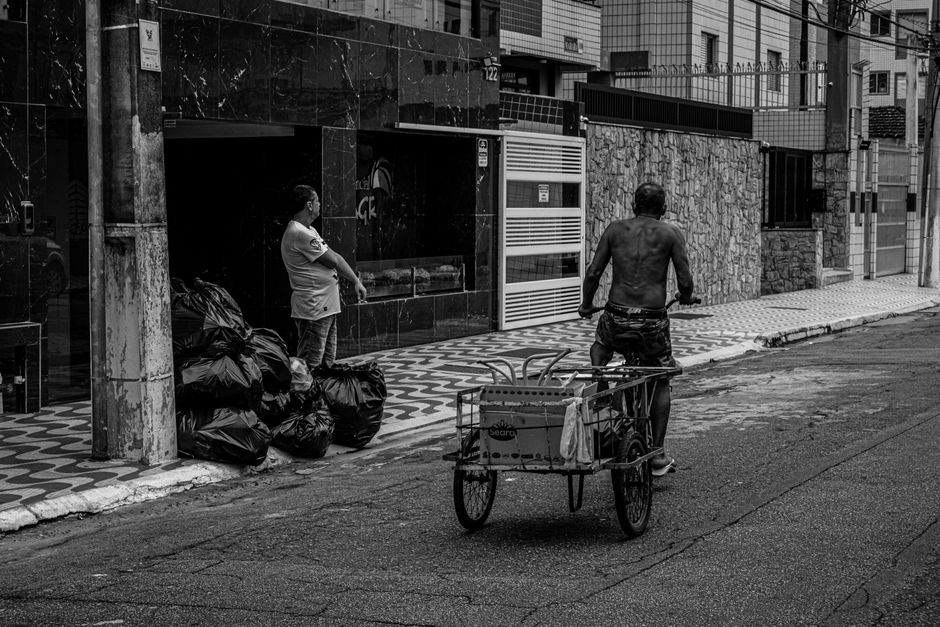
How AI is quietly reshaping daily life for São Paulo's 12 million residents
From Avenida Paulista to the suburbs, artificial intelligence is changing how locals work, shop, and navigate Brazil's largest city.
From Avenida Paulista to the suburbs, artificial intelligence is changing how locals work, shop, and navigate Brazil's largest city.
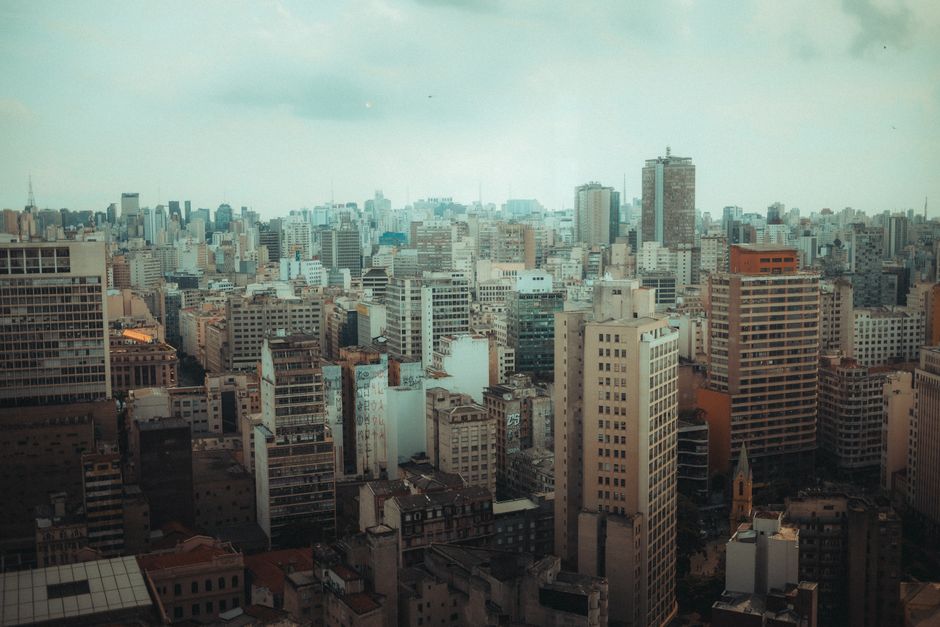
Walk into any of São Paulo's 50-plus shopping malls, and you'll notice something has shifted. At Ibirapuera and Morumbi, cashierless checkout systems powered by AI computer vision are replacing traditional registers. For residents accustomed to the sprawling queues of Brazilian retail, the technology represents a tangible change in everyday friction—saving the average shopper roughly 15 minutes per visit, according to local commerce associations.
The transformation extends far beyond retail. In the Zona Norte suburbs, where many of São Paulo's 3 million informal workers live, AI-powered apps are reshaping income opportunities. Translation services using neural networks now allow vendors and service providers along Rua 25 de Março—the city's commerce hub—to reach international customers directly, expanding markets that were previously inaccessible without hiring expensive intermediaries.
But perhaps the most visible change appears on São Paulo's perpetually congested streets. Traffic management systems using machine learning now optimize signal timing across major arteries like Avenida Brasil and Imigrantes, reducing commute times by an estimated 8-12 percent in peak hours. For the average paulista spending 2.5 hours daily in transit, this amounts to meaningful reclaimed time.
Healthcare institutions across the city are also adopting AI diagnostic tools. At Hospital Sírio-Libanês and Santa Casa, algorithmic systems now assist radiologists in detecting early-stage diseases, potentially improving survival rates while reducing consultation wait times that traditionally stretched to several months.
Yet not everyone benefits equally. At SENAI facilities in Santo Amaro and the eastern suburbs, workforce retraining programs have become essential as routine administrative and manufacturing roles face automation. The state labor federation estimates that 15 percent of São Paulo's traditional white-collar jobs face restructuring within three years, prompting increased demand for digital literacy courses across communities from Pinheiros to Tatuapé.
Price pressures tell another story. While AI-driven logistics have reduced delivery times in wealthy neighborhoods like Higienópolis to under 24 hours, poorer periphery areas still wait 3-5 days—a gap that underscores how technology adoption remains unevenly distributed across São Paulo's famously stratified landscape.
As the city enters this digital transition, residents report mixed feelings. Convenience gains compete with job displacement anxieties. Yet the transformation is undeniable: São Paulo's streets, shops, and workplaces are being fundamentally reordered by algorithms that most residents will never see but increasingly depend upon.
This article was compiled by AI from the sources linked above and screened before publishing. See our editorial standards.
How does this story make you feel?
Spread the word
About this article
Published by The Daily São Paulo
Daily brief
Free, in your inbox before 7am. Weekdays.
More in tech