São Paulo's Green Tech Startups Are Racing to Solve Brazil's Energy Crisis—Here's What's Happening Now
From Pinheiros to Vila Madalena, a new wave of cleantech founders is building solutions that could reshape how Brazil manages power and waste.
From Pinheiros to Vila Madalena, a new wave of cleantech founders is building solutions that could reshape how Brazil manages power and waste.
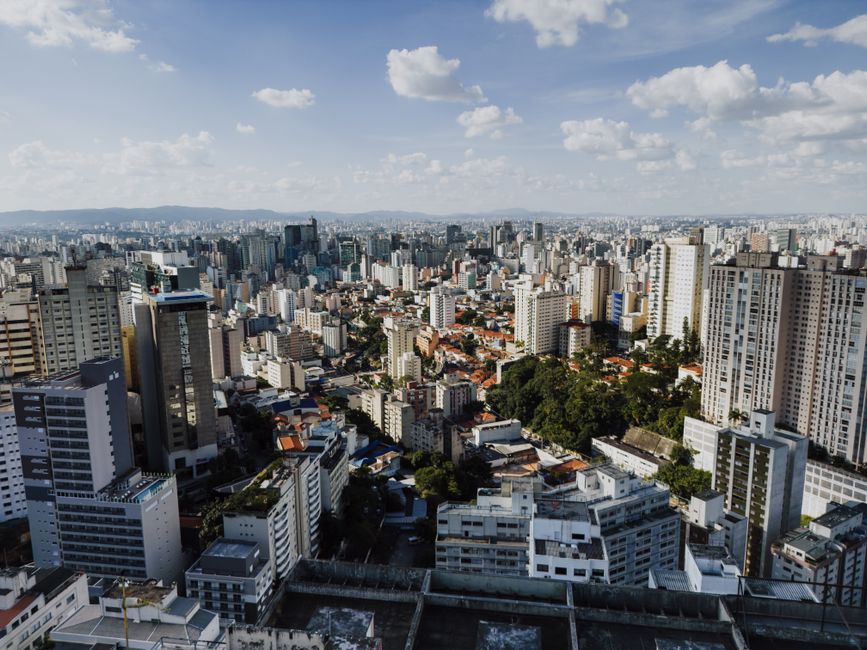
São Paulo's startup ecosystem is experiencing a quiet but decisive shift toward sustainability. Walk through the co-working spaces clustered around Avenida Paulista and Rua Bandeira de Melo, and you'll encounter a growing number of founders focused on renewable energy, grid optimization, and circular economy models—all racing to address Brazil's ongoing energy volatility.
The timing is critical. Brazil's electrical grid has faced increasing strain, with blackout risks climbing as water levels in key hydroelectric reservoirs dropped to concerning levels earlier this year. This vulnerability has created urgent demand for alternative solutions, pushing both corporate investors and venture capital firms to prioritize cleantech startups in their portfolios.
Several accelerators and innovation hubs have recently expanded their green tech programs. Hub São Paulo, which operates spaces in Pinheiros and Vila Madalena, reports that roughly 35 percent of its current batch of startups are focused on environmental or energy-related challenges—double the proportion from 2024. Companies in this cohort are developing everything from AI-powered demand-side management platforms to decentralized renewable energy trading networks.
The investment landscape is responding. In the first half of 2026, cleantech startups based in São Paulo secured approximately R$180 million in venture funding, according to preliminary data from local venture networks. That represents a significant uptick from the same period last year, driven partly by large corporations—Natura & Co, Bradesco, and energy firms like Engie—establishing dedicated innovation budgets for sustainability-focused partners.
One emerging focus area is agritech innovation that bridges rural and urban energy systems. Startups are exploring how waste from São Paulo's surrounding agricultural zones can be converted into biogas and biomass energy, reducing both rural and metropolitan energy demand.
Yet challenges remain. Access to capital for early-stage founders is still uneven, particularly outside established neighborhoods like Vila Mariana and Higienópolis. Additionally, regulatory frameworks around grid interconnection and renewable energy trading remain complex, creating friction for companies trying to scale quickly.
Despite these obstacles, the momentum is unmistakable. São Paulo's cleantech founders are no longer operating at the margins of the startup scene. They're moving toward the center, backed by genuine market demand and increasingly serious capital. For a city grappling with energy insecurity and climate pressures, that shift may prove to be more than just a trend.
This article was compiled by AI from the sources linked above and screened before publishing. See our editorial standards.
How does this story make you feel?
Spread the word
About this article
Published by The Daily São Paulo
Daily brief
Free, in your inbox before 7am. Weekdays.
More in tech