AI Is Reshaping São Paulo's Job Market: Here's What Workers Need to Know Right Now
As artificial intelligence accelerates across Brazil's largest tech hub, professionals face both disruption and opportunity—and the time to adapt is now.
As artificial intelligence accelerates across Brazil's largest tech hub, professionals face both disruption and opportunity—and the time to adapt is now.
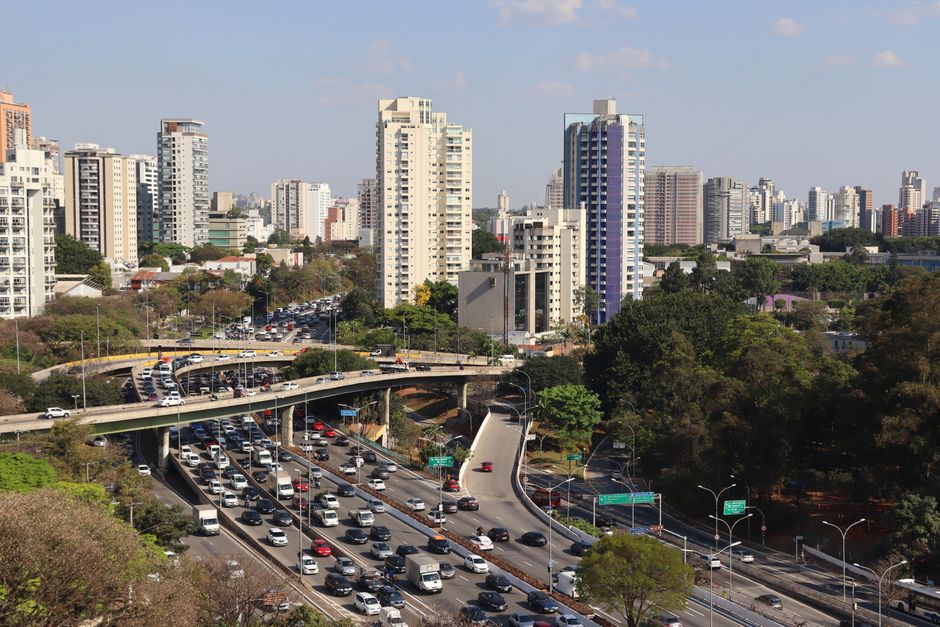
The coffee shops around Avenida Paulista have become unlikely epicentres of anxiety. Over the past eighteen months, São Paulo's workforce has watched artificial intelligence move from theoretical promise to immediate workplace reality, and the question haunting professional circles isn't whether AI will change jobs—it's how fast, and who gets left behind.
Recent labour market analysis shows that São Paulo, home to over 15,000 active tech startups and Brazil's largest concentration of AI companies, is experiencing a bifurcated employment landscape. Administrative roles, data entry positions, and junior-level analytical work—historically entry points for young professionals—are contracting as automation tools proliferate. Yet simultaneously, demand for AI-literacy specialists, prompt engineers, and professionals who can bridge human creativity with machine capability is climbing sharply.
"We're seeing salary premiums emerge for people who understand both their domain and AI tools," says the São Paulo branch of the Brazilian Association of Human Resources (ABRH), which tracks labour trends across the Zona Sul financial district and beyond. Entry-level administrative assistants earning around R$2,500 monthly face pressure, while professionals with AI competency in fields like marketing, customer service, and finance are commanding 25-35% higher compensation than peers without that skillset.
The practical implication is stark: upskilling has shifted from optional professional development to survival necessity. Free and paid courses through platforms like Coursera, LinkedIn Learning, and local providers such as Alura and Escola de Código have seen enrolment surge 40% year-over-year among São Paulo professionals.
What should matter most to job seekers? First, inventory your role's vulnerability. Repetitive, rule-based work is highest risk. Second, identify where AI augments rather than replaces—learning to use these tools as collaborators, not competitors, makes you valuable. Third, develop "T-shaped" expertise: deep knowledge in your field combined with broad AI literacy.
The neighbourhoods that built São Paulo's tech reputation—Vila Madalena, Pinheiros, and increasingly Consolação—remain hubs where this transition is most visible. Co-working spaces and innovation centres are packed with professionals pivoting their careers mid-stream, and established companies from traditional sectors are recruiting aggressively for roles that didn't exist three years ago.
The window for proactive adaptation remains open, but it's narrowing. Professionals who treat AI literacy as optional are making a calculated gamble that their current role will remain untouched. History suggests otherwise.
This article was compiled by AI from the sources linked above and screened before publishing. See our editorial standards.
How does this story make you feel?
Spread the word
About this article
Published by The Daily São Paulo
Daily brief
Free, in your inbox before 7am. Weekdays.
More in tech