São Paulo's AI Future: Inside the Product Roadmaps Reshaping Local Business
From Pinheiros startups to Paulista Avenue enterprises, the next generation of artificial intelligence tools promises to reshape how São Paulo's businesses compete globally.
From Pinheiros startups to Paulista Avenue enterprises, the next generation of artificial intelligence tools promises to reshape how São Paulo's businesses compete globally.
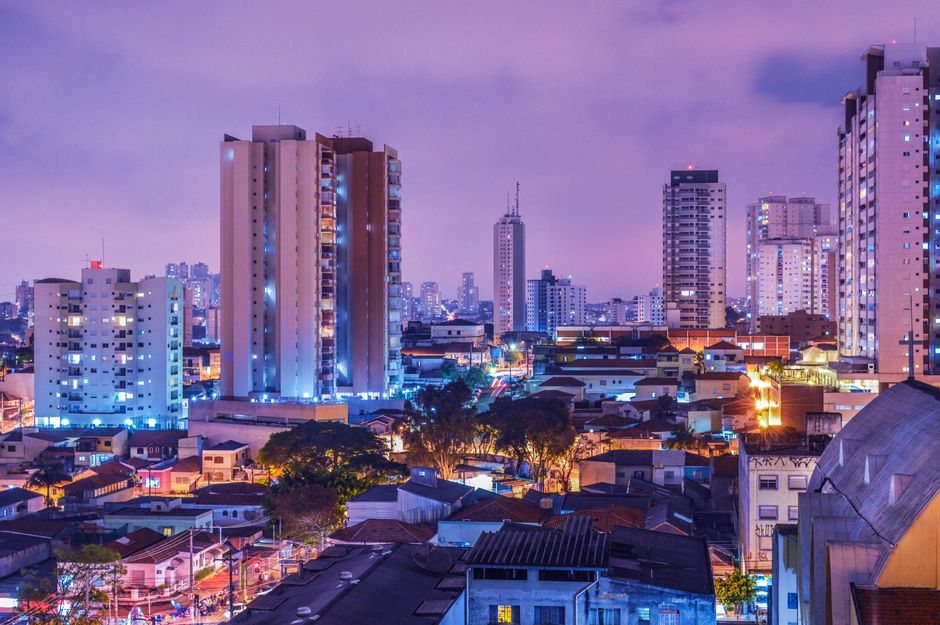
São Paulo's technology corridor is buzzing with anticipation about what comes next in artificial intelligence. While generative AI captured headlines over the past two years, local entrepreneurs and corporate strategists are now laser-focused on the products and capabilities arriving in 2026 and beyond—developments that could fundamentally alter how businesses operate across the city's diverse economic landscape.
In the startup-dense neighbourhoods of Pinheiros and Vila Mariana, developers are racing to launch AI tools tailored specifically for Portuguese-language commerce and customer service. Unlike the English-centric models dominating global markets, these platforms aim to understand Brazilian Portuguese nuances, regional slang, and cultural context—critical advantages for companies operating in Latin America's largest economy. Early adopters in the financial services sector around Avenida Paulista are already testing localized versions of AI assistants designed to handle customer inquiries with unprecedented cultural fluency.
The manufacturing sector, still vital to São Paulo's industrial base in the ABC region, is preparing for a wave of predictive maintenance AI. These systems will monitor factory equipment in real time, anticipating breakdowns before they occur. Industry analysts estimate that companies implementing such tools could reduce downtime by 30-40%, translating to millions of reais in savings annually for mid-sized manufacturers currently operating on tight margins.
Real estate and construction firms—major players in a city perpetually reshaping its skyline—are integrating AI into project management. The technology promises to optimize everything from supply chain logistics to workforce scheduling across multiple construction sites, addressing long-standing inefficiencies that plague Brazil's building sector.
Perhaps most significantly, São Paulo's retail ecosystem, concentrated along Rua 25 de Março and shopping districts citywide, is preparing for AI-driven inventory and demand forecasting. Small and medium-sized enterprises, which comprise over 60% of the city's formal employment, will soon access enterprise-grade analytics previously available only to multinational corporations—potentially leveling a competitive playing field that has historically favored international chains.
The roadmaps being unveiled by tech firms headquartered in São Paulo suggest that 2026-2027 will mark a critical inflection point. Rather than competing on raw computing power or model size, the next phase emphasizes localization, integration with existing business systems, and accessibility for non-technical users. For a city of 12 million people driving Brazil's economy, that shift could prove transformative.
This article was compiled by AI from the sources linked above and screened before publishing. See our editorial standards.
How does this story make you feel?
Spread the word
About this article
Published by The Daily São Paulo
Daily brief
Free, in your inbox before 7am. Weekdays.
More in tech