São Paulo's Tech Boom: How $2.3 Billion in VC Funding is Reshaping Brazil's Innovation Landscape
A surge of domestic and international investment is transforming Vila Madalena and Pinheiros into Latin America's most competitive startup ecosystem.
A surge of domestic and international investment is transforming Vila Madalena and Pinheiros into Latin America's most competitive startup ecosystem.
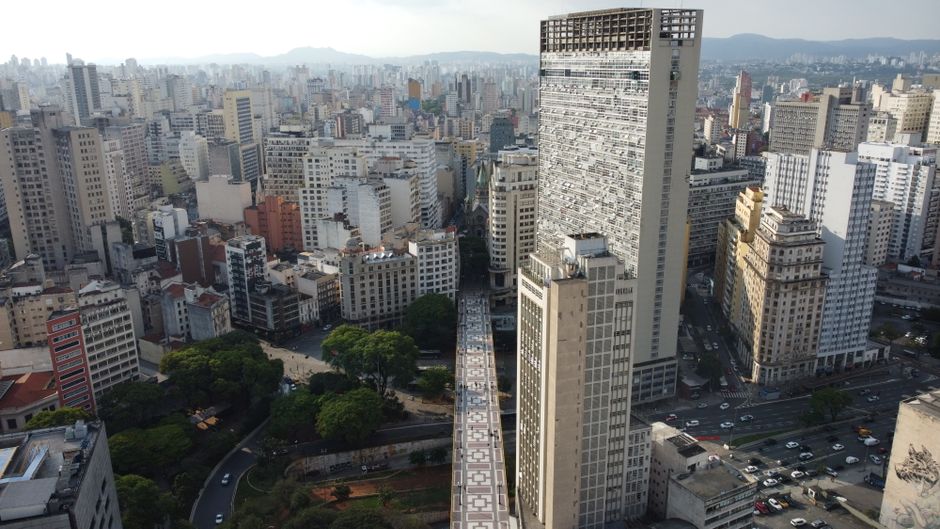
São Paulo's technology sector is experiencing unprecedented growth, with venture capital commitments reaching $2.3 billion in 2025—a 47% increase from the previous year, according to data from the Brazilian Private Equity & Venture Capital Association. This influx is reshaping neighbourhoods from Vila Madalena to Pinheiros, where co-working spaces now rival traditional office parks as the heartbeat of innovation.
The momentum reflects a fundamental shift in how global investors view Brazil's startup potential. Major international funds, including Sequoia Capital and Tiger Global, have opened dedicated São Paulo offices in recent months, while homegrown firms like Monashees and Indicator Ventures continue expanding their portfolios. This dual approach—combining Silicon Valley's capital with local market expertise—has created a competitive advantage that's attracting talent across the region.
Real estate dynamics tell the story vividly. Commercial space in Vila Madalena now commands premium rents, with square-metre prices climbing 23% year-over-year as startups and scale-ups secure expansions. The concentration around Rua Harmonia and Avenida Pedroso de Moraes has become so pronounced that local brokers now refer to it as the 'Startup Quarter.' Meanwhile, neighbouring Pinheiros has emerged as a secondary hub, offering slightly lower costs while maintaining proximity to São Paulo's financial district and university research centres.
What distinguishes this funding wave is its sectoral diversity. While fintech and e-commerce remain dominant, significant capital is flowing into climate tech, agtech, and healthcare innovation—sectors addressing real challenges across Brazil's economy. Companies developing supply-chain solutions for agribusiness, renewable energy platforms, and digital health services are attracting institutions eager to back solutions with scalable market potential.
The infrastructure supporting this growth has matured rapidly. Institutions like Parque da Juventude and Sumaúma Startups now host accelerators and incubators that rival international standards. Universities including USP and Mackenzie have deepened partnerships with the startup ecosystem, creating talent pipelines that reduce friction for early-stage hiring.
Industry observers note that this isn't merely capital chasing hype. The quality of founding teams, combined with São Paulo's position as Brazil's largest consumer market with 12 million residents, creates natural testing grounds for companies pursuing regional expansion. Exits have increased accordingly—recent acquisitions of Brazilian startups by international buyers signal that the ecosystem is producing companies with genuine competitive advantages.
As 2026 progresses, the challenge facing São Paulo's tech community will be sustaining momentum while developing the second and third-generation companies that transform temporary funding booms into lasting economic transformation.
This article was compiled by AI from the sources linked above and screened before publishing. See our editorial standards.
How does this story make you feel?
Spread the word
About this article
Published by The Daily São Paulo
Daily brief
Free, in your inbox before 7am. Weekdays.
More in tech