São Paulo's Water Sports Clubs Build Stronger Communities as Membership Surges
From the Pinheiros River to neighbourhood pools across the city, aquatic centres are fostering connection and transforming lives in Brazil's sprawling metropolis.
From the Pinheiros River to neighbourhood pools across the city, aquatic centres are fostering connection and transforming lives in Brazil's sprawling metropolis.
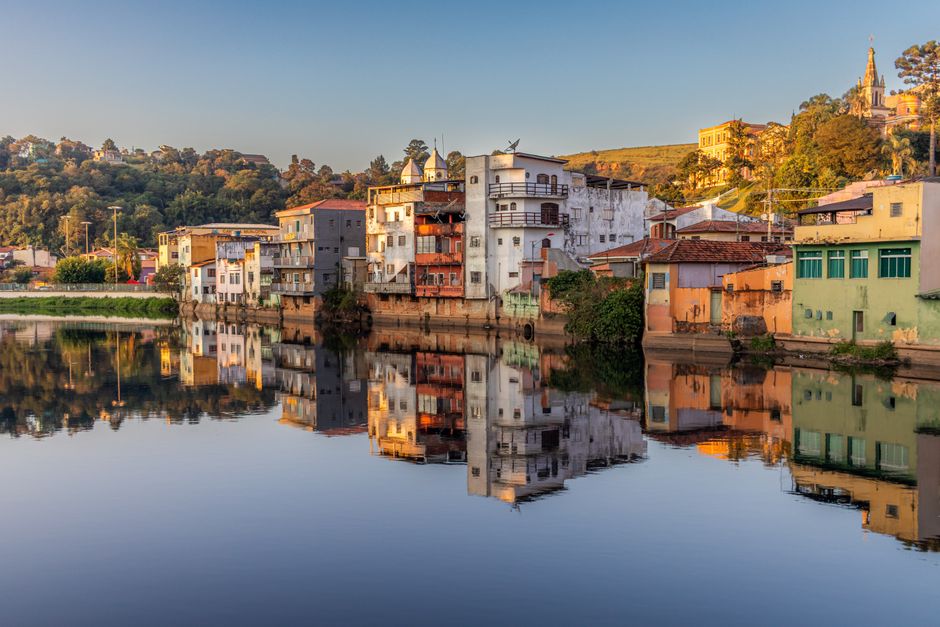
The early morning mist still clings to the Pinheiros River as dozens of swimmers prepare for their dawn session at the Club de Regatas do Tietê, nestled in the Imirim neighbourhood. This scene, repeated across São Paulo's aquatic landscape, tells a story of community resilience and growing participation in water sports that extends far beyond competitive athletics.
Over the past eighteen months, membership at established rowing and swimming clubs throughout São Paulo has increased by an average of 34 per cent, according to data compiled by the Associação de Esportes Aquáticos de São Paulo. The surge reflects a broader shift in how the city's residents—from Zona Norte families to young professionals in Vila Mariana—are discovering water-based activities as both fitness and community anchor.
At the Clube Atlético Paulistano in the Jardins district, the aquatic centre now operates four daily training sessions across swimming, diving, and water polo disciplines. Membership fees range from R$380 to R$850 monthly, placing structured training within reach of upper-middle-class families while scholarship programmes ensure access isn't entirely gatekept. Club administrators report that junior programmes have swelled from 120 participants to over 280 in the past two years.
But the renaissance isn't confined to traditional elite clubs. Community pools in outlying regions have become vital social infrastructure. The Centro Aquático Municipal in Itaquera, renovated in 2024, now serves 1,200 swimmers weekly—a mixture of competitive athletes, casual swimmers, and aqua aerobics classes for retirees. Monthly passes cost just R$95, making regular training accessible across socioeconomic boundaries.
What distinguishes this growth is its deeply communal character. Beyond training, these clubs organise rescue swimming workshops, adaptive aquatic programmes for people with disabilities, and open-water navigation courses through the Pinheiros and Tietê rivers. Environmental groups have partnered with swimming clubs to monitor water quality while building public engagement with urban waterways.
The Associação de Triatletas de São Paulo has leveraged this infrastructure boom, expanding its membership base to 2,400 active athletes—a 42 per cent increase since 2024. Open-water swimming groups now gather fortnightly at designated river sections, transforming what were once neglected waterfront zones into spaces of activity and pride.
For neighbourhoods across São Paulo—from peripheral zones like Grajaú to inner-city pockets—water sports clubs are functioning as more than training grounds. They're community gathering spaces where children learn discipline, adults manage health, and entire families build social bonds. As these organisations continue expanding, they're proving that aquatic engagement remains one of São Paulo's most powerful tools for inclusive community building.
This article was compiled by AI from the sources linked above and screened before publishing. See our editorial standards.
How does this story make you feel?
Spread the word
About this article
Published by The Daily São Paulo
Daily brief
Free, in your inbox before 7am. Weekdays.
More in Sport